 NutriThrive
Moringa and Berberine Together (Australia 2026)
Moringa leaf powder and berberine in Australia: what published science covers, product forms, and TGA food context — not medical advice. Ask your GP.
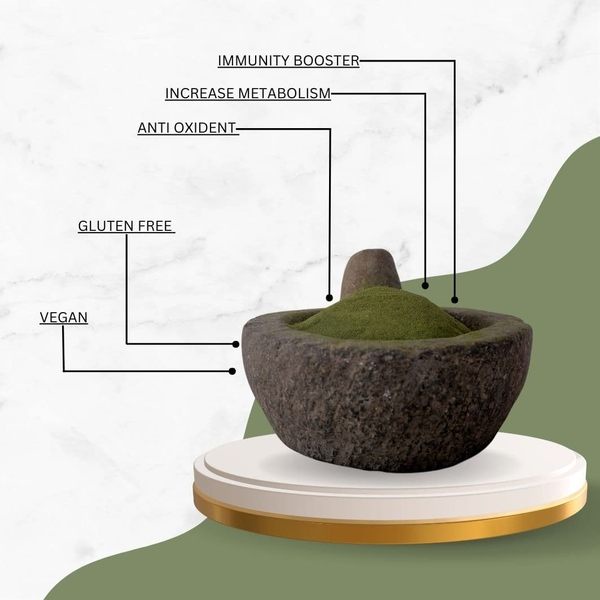
Quick Answer: Can You Take Moringa and Berberine Together?
Yes, but berberine has serious drug interactions you need to check first.
Moringa leaf powder and oral berberine supplements can be taken together. There is no known direct interaction between moringa's active compounds and berberine. They work on different biological pathways and come from different plant families.
The complication is berberine itself, not the combination with moringa. Berberine interacts significantly with metformin, cyclosporine, warfarin, and certain statins. If you take any of these medications, do not add berberine without discussing it with your GP. If you are not on prescription medication, the two can work alongside each other for different purposes.
First: Berberine and Moringa Are Completely Different Plants
Because "moringa berberine patches" and "moringa berberine supplements" are both trending in Australia at the same time, many people assume berberine is part of moringa or a compound found in moringa. It is not.
Moringa (Moringa oleifera)
- Family: Moringaceae
- Origin: Northern India, Pakistan, Bangladesh
- Part used: leaves, pods, seeds
- Classification: Food (FSANZ)
- Key compounds: isothiocyanates, quercetin, kaempferol, chlorogenic acid, beta-carotene
- Contains berberine: No
Berberine (from Berberis plants)
- Family: Berberidaceae
- Origin: Barberry (Europe/Asia), Goldenseal (North America)
- Part used: root, stem bark
- Classification: Complementary medicine (TGA)
- Key compound: berberine alkaloid (same in all source plants)
- Contains moringa: No
They became associated in Australia because supplement marketers combined them in patches and capsules during 2025 to 2026. The combination may have commercial logic (two trending ingredients), but the science behind each is entirely independent.
What Berberine Actually Does: The Clinical Evidence
Berberine is the most clinically studied botanical supplement for blood glucose regulation. It works by activating AMPK (AMP-activated protein kinase), the same enzyme pathway targeted by the diabetes drug metformin. This is well-established in peer-reviewed literature, not marketing.
- A 2008 study in the Journal of Clinical Endocrinology and Metabolism (Zhang et al.) found berberine at 500mg three times daily reduced fasting blood glucose by 0.85 mmol/L and HbA1c by 0.71% in 116 patients with type 2 diabetes over 3 months. PubMed
- A 2012 meta-analysis in Evidence-Based Complementary and Alternative Medicine (Dong et al.) pooled 14 randomised trials and found berberine reduced LDL cholesterol by approximately 0.65 mmol/L and triglycerides by 0.50 mmol/L. PubMed
- A 2015 meta-analysis in Medicine (Lan et al.) covering 2,569 patients confirmed berberine's glucose-lowering effects were comparable to oral hypoglycaemic drugs in some populations. PubMed
These are real findings from peer-reviewed journals. The evidence base is solid for blood glucose and lipid effects at oral clinical doses.
What berberine does not have strong evidence for: weight loss as a standalone mechanism, general energy, detoxification, immunity, or any of the broader claims seen in patch marketing. The mechanism is specific: AMPK activation affecting glucose uptake and fatty acid oxidation.
What Moringa Actually Does
Moringa leaf powder is a food ingredient, not a therapeutic drug. Its nutritional profile is what makes it useful, not a single mechanism like berberine's AMPK activation.
Per 10g of shade-dried moringa leaf powder (approximately one heaped teaspoon):
- Iron: approximately 2.8mg, roughly 25% of the daily reference intake for adult women (11mg for adult men). Moringa's iron is non-haeme iron but absorption is aided by the plant's vitamin C content.
- Calcium: approximately 185mg, roughly 18% of the daily reference intake
- Vitamin C: varies significantly by drying method; shade-dried moringa retains 70 to 140mg per 100g and sun or heat-dried drops to near zero
- Quercetin and kaempferol: flavonoid antioxidants with anti-inflammatory properties
- Chlorogenic acid: polyphenol with some glucose-moderating effects in human studies
- Isothiocyanates: notably moringin (4-(-L-rhamnopyranosyloxy)benzyl isothiocyanate), studied for anti-inflammatory and anti-tumour properties in vitro
- A study in Phytotherapy Research (Kumari et al.) found 1,500mg moringa leaf powder daily for 3 months significantly reduced fasting blood glucose in postmenopausal women with diabetes.
- A 2016 trial published in Asian Pacific Journal of Cancer Prevention found moringa supplementation reduced markers of oxidative stress in cancer survivors.
- Multiple small trials have found reductions in serum glucose with moringa consumption, but effect sizes are smaller than berberine in head-to-head comparisons.
Moringa's evidence is developing. It is a nutritious food with meaningful micronutrient content; its therapeutic claims require more large-scale human RCTs before strong conclusions can be drawn.
Taking Moringa and Berberine Together. What the Research Shows
Here is the short answer: there are no published human clinical trials specifically examining the combination of moringa leaf powder and berberine in the same study. The research on each is independent.
What we can reason from the individual research:
- On blood glucose: Both moringa (via chlorogenic acid and isothiocyanates) and berberine (via AMPK) have glucose-moderating effects through different mechanisms. Taking both does not create a dangerous additive effect in people without diabetes, but in people on glucose-lowering medications, combining two more glucose-lowering agents increases the risk of hypoglycaemia.
- On nutrition: Moringa's iron, calcium, and antioxidant content has no interaction with berberine's alkaloid mechanism. One is a food nutrient; one is a pharmaceutical-style mechanism. They are not redundant and not conflicting.
- On the gut: Both moringa powder and berberine are taken orally. Berberine affects gut bacteria composition (it has some antibiotic properties). Moringa's fibre content supports gut motility. No negative interaction is known, but berberine's gut effects at high dose can cause GI discomfort; adding moringa powder (which also has fibre) might exacerbate this in some people at high doses. Start both at lower doses and work up.
The rational case for combining them: moringa covers nutritional gaps (iron, antioxidants, calcium) that berberine does not address. Berberine covers blood glucose and lipid regulation mechanisms that moringa addresses only indirectly. For someone interested in both metabolic support and nutritional density, they cover different ground without redundancy.
Drug Interactions. What You Must Know Before Taking Berberine
This is the section that matters most. Berberine is not a benign supplement; it has clinically significant interactions with several commonly prescribed Australian medications.
Moringa leaf powder (food) does not have the same drug interaction profile as berberine. The main moringa interaction to note is that moringa contains significant vitamin K, which can affect anticoagulant medications at very high doses, but at a teaspoon per day, this is minimal and consistent with eating leafy greens.
Who Should Not Take Berberine
- Pregnant women: Berberine has been shown in animal studies to stimulate uterine contractions and cross the placental barrier. It is not considered safe in pregnancy. (Moringa leaf powder, by contrast, is a traditional food in South Asian pregnancy diets, though supplemental doses should be discussed with a midwife.)
- Breastfeeding mothers: Berberine passes into breast milk and can cause kernicterus (bilirubin toxicity) in newborns. Not safe during breastfeeding.
- People on the medications listed above without GP oversight
- People with liver conditions: Case reports of liver enzyme elevation with berberine supplementation exist, particularly at high doses
- Children: No clinical safety data; not recommended
Dosage Guide: Moringa and Berberine
| Supplement | Starting dose | Clinical trial dose | Timing | Notes |
|---|---|---|---|---|
| Moringa powder | ½ tsp (~1,500mg) | 1,500 to 3,000mg/day | Any time, with food or drink | Can be mixed into smoothies, yoghurt, curries, or water. Start low if sensitive to bitter flavour. |
| Berberine | 500mg once daily | 500mg 2 to 3x daily (total 1,000 to 1,500mg) | With meals; berberine should be taken with food to reduce GI side effects and maximise glucose-modulating timing | Split into 2 to 3 doses due to short half-life. Start once daily and increase over 2 to 4 weeks. Buy from TGA-listed supplier with published CoA. |
Berberine causes GI side effects (nausea, constipation, diarrhoea) in some people, particularly at the full clinical dose. Starting at 500mg once daily with breakfast for two weeks, then adding a second dose with dinner, then a third, reduces side effects significantly compared to jumping straight to 1,500mg per day.
Moringa powder can be taken at any time. For iron absorption, taking moringa away from calcium-rich foods or dairy slightly improves non-haeme iron uptake, but this is a minor consideration at normal serving sizes.
Why Moringa Berberine Patches Are Not the Answer
Given that both moringa and berberine have evidence as oral supplements, transdermal patches are not the sensible format for either ingredient.
The core problem with patches, for a molecule to cross the skin barrier and reach the bloodstream in meaningful concentrations, it must be small enough (generally under 500 Daltons molecular weight) and lipid-soluble enough to pass through the skin's lipid bilayer. Moringa's key compounds (quercetin MW 302, chlorogenic acid MW 354, isothiocyanates) are hydrophilic. Berberine itself (MW 336) is slightly lipophilic, but its very poor oral bioavailability (≈5%) already reflects absorption challenges; the transdermal route would be even less efficient without pharmaceutical-grade penetration enhancers.
Published peer-reviewed studies on transdermal berberine in humans: zero. Published studies on transdermal moringa compounds in humans: zero.
Patch brands active in Australia in 2026. Glorenda, Healrize, Clearena: are not listed on the ARTG (Australian Register of Therapeutic Goods) and make therapeutic claims without TGA approval. We covered the full detail in our separate moringa patches review.
Cost Breakdown: Patches vs Oral Supplements (Australia 2026)
| Option | Monthly cost (AUD) | Evidence level | TGA/FSANZ status |
|---|---|---|---|
| Moringa berberine patch (Glorenda / Healrize / Clearena) |
$50 to 90 | None for transdermal route | Not ARTG listed |
| NutriThrive moringa powder 1 tsp/day (100g lasts 33 days) |
$10 | Published human trials | FSANZ food, tested in Australia |
| Oral berberine capsules 500mg 3x daily, reputable AU brand |
$25 to 40 | Published human RCTs | TGA complementary medicine |
| Moringa powder + berberine capsules Combined approach |
$35 to 50 | Evidence for each separately | Regulated products |
The oral powder plus capsule combination costs roughly the same or less than a patch subscription and uses the evidence-backed delivery method for both ingredients.
Using leaf powder? See what it tastes like.
Before any stack: quality checklist · shade-dried leaf.
Frequently Asked Questions: Moringa and Berberine
Can you take moringa and berberine together?
Yes, there is no known direct interaction between moringa leaf powder and berberine. They work on different mechanisms and come from different plant families. The main consideration is berberine's interactions with medications (metformin, cyclosporine, warfarin, some statins), not an interaction with moringa. If you are not on those medications, taking moringa powder and an oral berberine supplement together is generally considered safe.
Is berberine the same as moringa?
No. Berberine is an alkaloid from Berberis plants (barberry, goldenseal). Moringa is from Moringa oleifera, a completely different botanical family native to South Asia. Moringa does not contain berberine. They appeared together in the Australian market because supplement brands combined them in patches and capsules in 2025 to 2026.
How much moringa and berberine should I take per day?
Moringa: one teaspoon of leaf powder (approximately 3,000mg) per day, with food or in a smoothie. Clinical studies typically use 1,500 to 3,000mg. Berberine: 500mg two to three times daily with meals; start at once daily for 2 weeks to assess tolerance. Do not take berberine without discussing it with your GP if you are on blood glucose or cholesterol medications.
Does berberine interact with metformin?
Yes, significantly. Both berberine and metformin activate AMPK, the enzyme pathway controlling glucose uptake into cells. Taking both simultaneously can lower blood sugar further than intended, causing hypoglycaemia. If you take metformin for diabetes or pre-diabetes, do not add berberine without discussing it with your GP. Dose adjustment of metformin may be needed if berberine is introduced.
Can pregnant women take moringa and berberine?
Moringa leaf powder as food: used traditionally in South Asian pregnancy diets and is a significant source of iron and folate. Supplemental doses should be discussed with a midwife or GP. Berberine, not safe during pregnancy. Animal studies show berberine can stimulate uterine contractions, and berberine crosses the placental barrier. Do not take berberine if pregnant or trying to conceive.
Where to buy berberine in Australia?
Buy berberine from suppliers with TGA-listed products and published Certificates of Analysis. In Australia, reputable berberine capsule supplements are available through health food stores, pharmacies, and online retailers including iHerb (which ships to AU). Look for products listing the berberine source plant (Berberis aristata is common), dose per capsule (500mg is standard), and GMP manufacturing certification. Avoid patch formats; there is no clinical evidence for transdermal berberine absorption in humans.
Start with moringa powder: the food half of the combination
NutriThrive moringa powder: shade-dried, tested in Australia, UV-protected foil packaging. $11/100g, one teaspoon per day, 33 days per 100g bag. Ships from Melbourne.
Shop moringa powder →Last updated: 18 June 2026
Update history
- Cluster hub: Best Moringa Brands Australia 2026: Ranked by Lab, Dose & $/100g
- June 2026: Initial publication. Covers berberine drug interaction safety, dosage guide, clinical evidence citations, and why patches are not the evidence-backed format.
"This product is healthy, of excellent quality, and very affordable. Highly recommend!"reetysha ramjee, via Google Reviews

Check interactions first
Review the single-ingredient product information
NutriThrive moringa powder does not contain berberine. Check the ingredient and testing information, and speak with your pharmacist or GP about interactions.
$11.00 / 100g