What Does Moringa Do For Your Body? (Complete Guide 2026)
Last updated: 21 May 2026
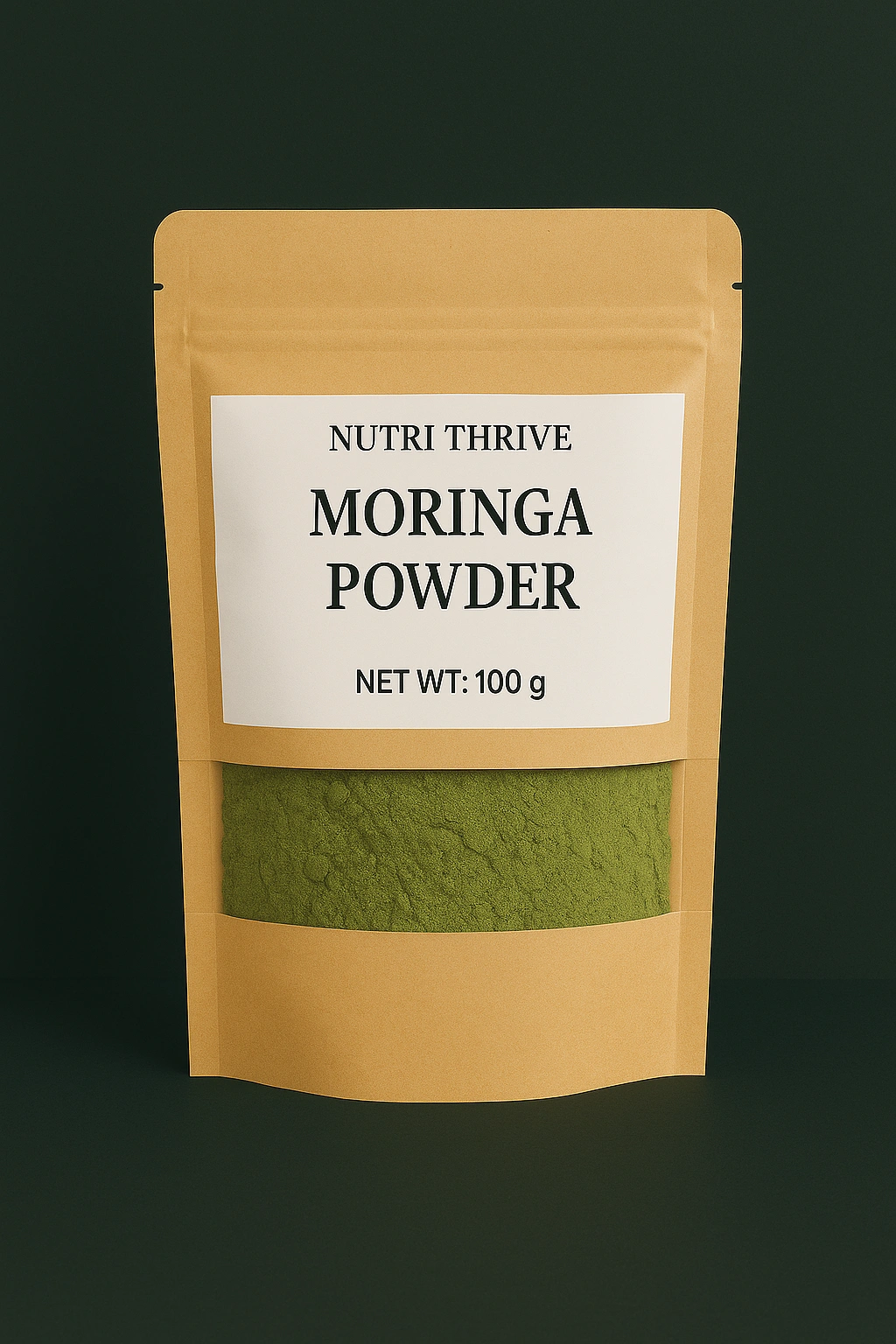
Moringa leaf powder delivers vitamins, minerals, plant protein, and antioxidants that may support everyday nutrition—energy, digestion, skin, and general wellbeing when your diet has gaps. It is a food supplement, not a drug. Many people use 1–2 teaspoons daily; subtle changes often show in 1–2 weeks, with clearer shifts around 4–8 weeks if tolerated.
People ask us in Truganina: "What will I actually feel?" Honest answer: moringa is dense nutrition in powder form—not a drug. Some customers report steadier energy or easier digestion after a few weeks; others notice little if their diet was already solid.
I'm Neer. I can't promise outcomes for your body. This guide maps what's in the leaf, what research suggests, and what Australian food-law lets us say—plus links to dosage and side effects. Talk to your GP if you're pregnant or on meds.
If you searched “what does moringa do for your body,” you want a straight answer—not miracle cures. Moringa (Moringa oleifera) leaf powder packs micronutrients into a teaspoon-sized daily habit.
Below: how it fits normal metabolism, what some people notice over time, and who often finds it useful—written for Australians buying powder in 2026.
What is moringa doing in your body?
Think of moringa less like a stimulant and more like nutritional support. Leaf powder delivers:
- Vitamins A, C, E — skin, immunity, antioxidant defence
- Iron, calcium, magnesium, potassium — energy, bones, muscles, blood pressure context
- Plant protein and amino acids — building blocks for repair and enzymes
- Polyphenols and flavonoids — quercetin, chlorogenic acid — anti-inflammatory and antioxidant activity
- Fibre — gut health and steady digestion
Your body uses these nutrients in normal metabolism. Moringa does not “flush toxins” or “detox” you — it helps fill gaps when your diet is busy, processed, or low in vegetables.
10 ways moringa affects your body
1. Energy and fatigue
Moringa is caffeine-free but rich in iron and B-vitamin cofactors that may support energy metabolism. Some customers report steadier daytime energy without the 3pm crash—especially if they were low in iron. It is not a pre-workout spike; more like filling a small nutritional gap.
Related: does moringa have caffeine?
2. Immune system
Vitamins A and C support immune cell function. Antioxidants reduce oxidative stress from pollution, stress, and poor sleep. Moringa will not prevent colds by itself, but adequate micronutrients are foundational for immune resilience.
3. Digestion and gut health
Fibre feeds beneficial gut bacteria and supports regular bowel movements. Some people notice less bloating once their gut adapts — others need to start with a smaller dose to avoid the opposite. Take with food; see side effects if your stomach protests.
4. Skin
Vitamin A supports skin repair; vitamin C supports collagen; antioxidants fight free radical damage from sun and stress. Changes are gradual — expect weeks, not overnight. Women often report clearer skin when hormones and nutrition align — see moringa benefits for women.
5. Hormones (especially women)
Moringa does not contain hormones. It provides magnesium, B6, iron, and antioxidants that support your body's own hormone balance. Traditional use for menstrual support spans centuries; modern evidence is growing but not definitive for any specific condition.
6. Bones
Calcium and vitamin K in moringa support bone mineralisation. Particularly relevant for women over 40 when bone density becomes a priority. Moringa complements — not replaces — weight-bearing exercise and adequate protein.
7. Heart and blood pressure
Potassium supports healthy blood pressure context. Antioxidants and anti-inflammatory compounds may support cardiovascular health in population studies. Moringa is not a substitute for prescribed blood pressure medication — talk to your doctor if you are on meds.
8. Brain and focus
B vitamins and iron support cognitive function when you are deficient. Some users report less brain fog after consistent use. Effects are subtle compared to caffeine; think clarity, not hyperfocus.
9. Blood sugar
Some human studies suggest moringa may help stabilise blood sugar after meals. Mechanisms may include slowing carbohydrate absorption and supporting insulin sensitivity. Critical if you are diabetic or on glucose-lowering drugs — medical supervision required.
10. Inflammation
Chronic low-grade inflammation links to joint stiffness, skin issues, and metabolic problems. Moringa's polyphenols (including quercetin) have anti-inflammatory activity in lab and some human studies. Not a replacement for medical treatment of inflammatory diseases.
How long until you notice effects?
| Timeframe | What many people report |
|---|---|
| Days 1–7 | Nothing dramatic, or mild digestive adjustment |
| Weeks 1–2 | Slightly better energy, less afternoon slump |
| Weeks 3–4 | Digestion feels steadier; some notice skin or mood shifts |
| Months 2–3 | Clearer skin, hormone-related improvements, hair/nails (slower) |
| Months 3+ | Cumulative nutritional support; habits stick |
Reality check: If you take moringa once and stop, you will not feel much. Consistency at 1 tsp daily matters. Wrong dose (too much day one) can mean you only feel stomach upset — see dosage guide.
What scientific studies say (honest summary)
Moringa research has expanded, but it is not as large as studies on mainstream vitamins. Highlights often cited:
- Nutrient density: Leaf powder is rich in micronutrients per gram — well documented in food science literature
- Antioxidant activity: Multiple studies on polyphenol content and free-radical scavenging
- Blood sugar: Small human trials suggest possible benefit; more research needed
- Cholesterol: Some trials show modest improvements with moringa supplementation
- Anti-inflammatory: Animal and lab studies strong; human data still developing
- Safety: Leaf powder at food doses generally well tolerated in short- and medium-term studies
For processing and nutrient retention, see shade vs sun drying. We avoid cure claims—illegal in Australia and misleading.
Who benefits most from moringa?
Women
Iron needs, hormone support, skin, energy — see dedicated guide: moringa benefits for women.
Seniors
Bone nutrients, gentle energy without caffeine, joint inflammation context. Start at ½ tsp; check medications with a GP.
Athletes and active people
Plant protein, iron, magnesium for recovery — useful add-on, not a performance drug. Pair with adequate total protein intake.
Vegetarians and vegans
Iron + vitamin C in one plant helps absorption vs iron-only supplements. Complements a varied plant diet.
Busy professionals & parents
One teaspoon in a morning smoothie covers nutritional gaps when meals are rushed.
Who might notice less
People already eating diverse, nutrient-rich diets may feel subtle effects only. Moringa fills gaps — it does not supercharge an already optimal diet.
How you take it changes what you feel
Powder in smoothies or food — full dose control, best value. Capsules — convenient but often lower effective dose. Tea — gentler, lower total nutrient intake per cup. Compare powder vs capsules.
Why quality changes results
Stale brown powder has fewer antioxidants than fresh green shade-dried leaf. Contaminated powder is a health risk, not a benefit. Choose tested, fresh powder — how to choose moringa in Australia.
FAQ: what does moringa do for your body?
What is moringa good for?
General nutritional support: energy, immunity, digestion, skin, hormones, bones, heart, brain, blood sugar balance, and inflammation. It works best as a daily micronutrient boost, not a one-time fix.
Does moringa work immediately?
Usually no. Expect 1–2 weeks for energy hints and 4–8 weeks for skin, hormones, or hair changes.
Is moringa good for weight loss?
It is not a fat burner. Some people eat less because stable blood sugar reduces cravings — indirect support only.
Can moringa replace a multivitamin?
It covers many nutrients but not everything (e.g. B12, vitamin D). Think of it as a superfood add-on, not a complete replacement unless your dietitian advises otherwise.
Is moringa safe long-term?
Food-grade leaf powder at 1–2 tsp daily is commonly used long-term. See side effects and legal status in Australia.
Ready to Try Moringa?
Shop our 100% pure moringa powder — lab-tested, shade-dried, packed fresh in Melbourne. Same-day dispatch.
Update log
- 21 May 2026 — Founder note, food-supplement framing in intro/FAQ schema, fixed broken science link, removed duplicate disclaimer.