 NutriThrive
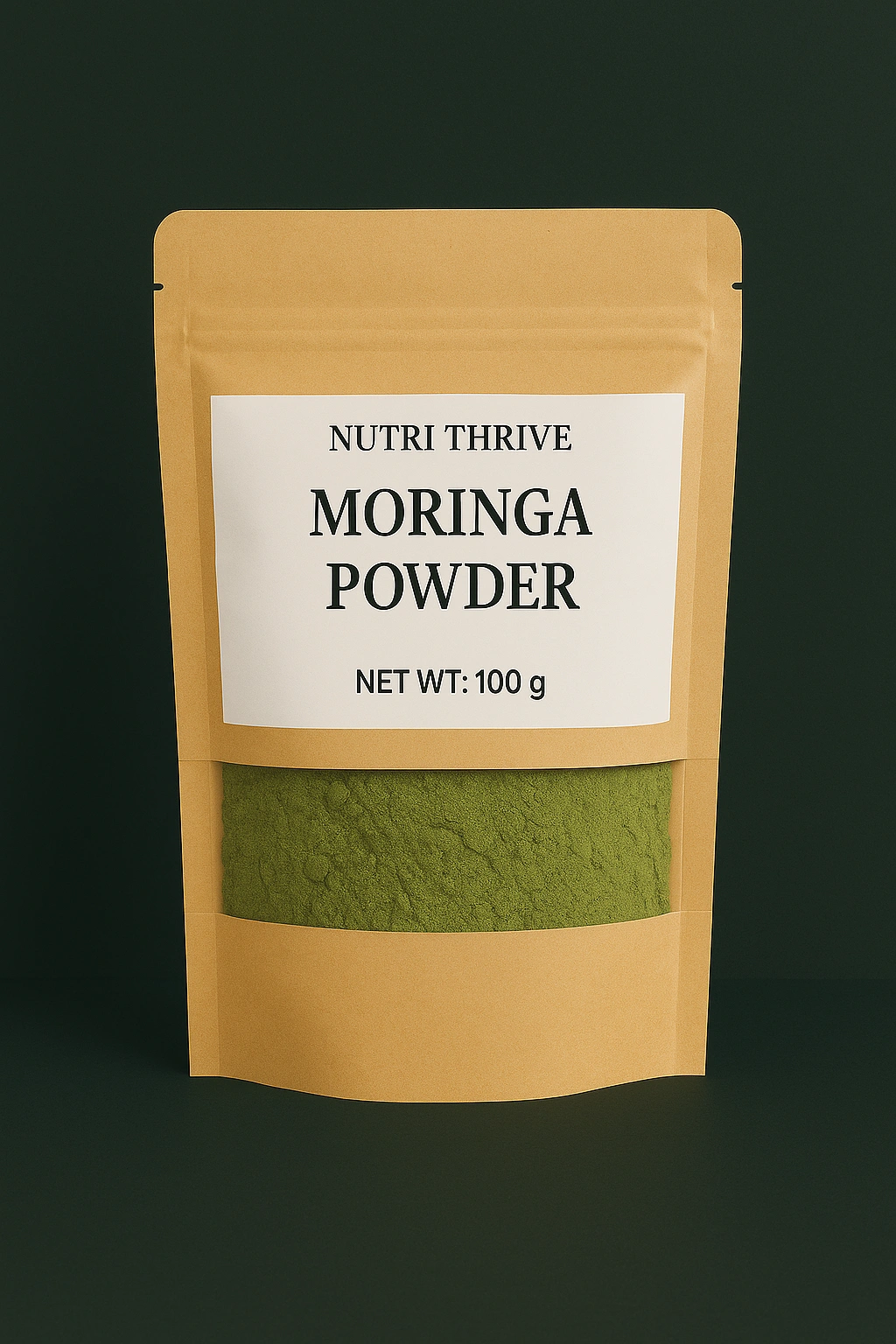
1. The Great Australian Energy Crisis: Beyond the “Neon Scoop”
It is 6:00 AM at The Tan in Melbourne. It is 5:30 PM in a high-intensity Pilates studio in Surry Hills. You are lacing up, but the tank is empty. For the last decade, the standard Australian solution has been a fluorescent scoop—an industrial cocktail of high-dose caffeine, beta-alanine, synthetic flavouring and sucralose.
You know the cycle: the face-tingling itch, the heart palpitations, the brief rush of aggressive, borrowed energy—and the inevitable 3:30 PM crash. For shift workers, parents and office athletes in places like Brisbane, Canberra and Adelaide, that crash is no longer acceptable.
In 2026, the Australian fitness landscape has fundamentally shifted. From social run clubs on the Gold Coast to HYROX competitors in Perth, athletes are rejecting synthetic stimulation. We are entering the era of bio-harmony—fueling the body’s natural ATP production rather than hijacking the central nervous system. At the centre of this movement is a single, scientifically validated botanical: Moringa oleifera.
2. The Science of the Crash: Why Synthetic Pre-Workouts Are Failing You
The adenosine antagonist trap
Most commercial pre-workouts rely on high-dose caffeine. Caffeine is an adenosine receptor antagonist. Adenosine is the fatigue signal that gradually builds in your brain throughout the day. Caffeine doesn’t create energy; it simply blocks the signal so you can’t feel tired.
- The debt: while receptors are blocked, your brain keeps producing adenosine.
- The crash: when the caffeine dissociates, a flood of accumulated adenosine hits at once.
- The result: extreme lethargy, irritability, sleep disruption and the feeling athletes call “adrenal fatigue”.
The cortisol–insulin seesaw
Synthetic stimulants trigger the fight-or-flight response, spiking cortisol. For the average Australian professional already juggling work stress, parenting and commuting, this extra cortisol spike can drive muscle breakdown and midsection fat storage.
Moringa, by contrast, provides sustained biological energy. It doesn’t hide fatigue; it provides the micronutrient substrates your mitochondria need to produce real ATP. That is why more athletes in Sydney, Melbourne and Perth are searching for terms like “natural pre workout no caffeine” and landing on moringa-focused guides like this one.
3. The Moringa Dossier: Four Biochemical Pathways to Peak Performance
Moringa oleifera is unique because it addresses performance through multiple pathways at once. Here’s the simplified breakdown of how it outperforms synthetic pre-workouts.
Pathway 1: Mitochondrial biogenesis (SIRT1–PPARα)
Emerging 2025 research indicates that moringa extracts activate the SIRT1–PPARα signalling pathway. SIRT1 is a cellular energy sensor; when activated, it triggers PGC‑1α, the master regulator of mitochondrial biogenesis.
By increasing mitochondrial density (the “power plants” in your muscle cells), moringa enhances your ability to oxidise fatty acids for fuel. The benefit is a slow-burn, 4–6 hour energy curve that’s ideal for long runs, HYROX events and back-to-back classes.
Pathway 2: Endothelial nitric oxide & the natural pump
The “pump” isn’t just about aesthetics—it’s about oxygen delivery. While many synthetic pre-workouts lean on poorly absorbed L‑arginine, moringa naturally contains high concentrations of quercetin and kaempferol.
These polyphenols enhance endothelial nitric oxide (NO) production, promoting vasorelaxation and better blood flow to working muscles. The net effect: improved tissue oxygenation and a delayed lactic-acid “burn”—without the blood-pressure spikes of heavy stimulants.
Pathway 3: Nrf2 activation & the recovery window
High-intensity training in the Australian climate generates significant oxidative stress. Moringa is rich in isothiocyanates (MIC‑1), potent activators of the Nrf2 pathway.
Nrf2 is often called the “master switch” of your internal antioxidant pharmacy. When activated, it upregulates enzymes such as superoxide dismutase (SOD) and catalase, neutralising exercise-induced free radicals faster than rest alone. Practically, that means less DOMS and the ability to train again sooner.
Pathway 4: The haemoglobin synergy (iron + vitamin C)
Iron deficiency is a silent performance killer in the Australian distance-running and group-fitness communities—especially among women.
- Moringa contains roughly 28 mg iron per 100 g—around 25× spinach.
- It also provides ~200 mg vitamin C per 100 g—around 7× oranges.
Vitamin C makes it easier to the conversion of ferric iron (\(Fe^{3+}\)) to more absorbable ferrous iron (\(Fe^{2+}\)). This chemistry ensures the iron in moringa actually contributes to haemoglobin formation and oxygen transport, rather than just passing through.
4. Nutritional Snapshot: What’s Inside a Single Gram?
To perform at your peak, you need more than just “energy.” You need the building blocks of life. Here is the simplified nutritional profile of Nutri Thrive Moringa compared with common foods:
- Protein: 27 g per 100 g – around 2× yoghurt.
- Vitamin A: 18.9 mg – about 10× carrots.
- Calcium: 2,000 mg – around 17× milk.
- Potassium: 1,300 mg – about 15× bananas.
- Iron: 28 mg – roughly 25× spinach.
- Vitamin C: 200 mg – around 7× oranges.
- Magnesium: 368 mg – critical for nerve function and cramp prevention.
That is why many athletes now treat moringa as a foundational powder they use daily—then layer protein, creatine or electrolytes on top of it depending on the session.
5. Localised Performance: Moringa for the Australian Athlete
The Australian environment presents a unique combination of heat, humidity and a culture of high-intensity outdoor activity. Here’s how moringa serves specific micro-communities.
The run-club enthusiast (Melbourne / Sydney / Perth)
Running The Tan, Bondi‑to‑Bronte or along South Perth Foreshore demands oxygen efficiency—not a red-lined heart rate from stimulants. Caffeine-heavy pre-workouts can push you into the red too soon.
The moringa advantage: provides iron for oxygen transport, magnesium for cramp prevention in the heat, and nitric-oxide support for smoother blood flow—without jittery spikes.
The HYROX & functional-fitness competitor
HYROX is sustained suffering: sled pushes, farmer’s carries and wall balls over 60–90 minutes. You need a mix of explosive power and steady-state energy.
The moringa advantage: via SIRT1 activation, moringa helps keep fat oxidation high so you don’t “bonk” halfway through. You preserve precious glycogen for the last heavy station or final run lap.
The Pilates & wellness advocate
This group often wants lean muscle, hormone balance and clear skin—not jittery PBs. Synthetic pre-workouts spike cortisol, leading to water retention, bloating and breakouts.
The moringa advantage: as a gentle adaptogen with high vitamin A content, moringa can support cortisol regulation, skin health and stable energy—perfect for reformer Pilates, barre and low-impact strength.
6. The Clean-Energy Kitchen: Australian-Friendly Pre-Workout Recipes
Don’t just “take” a supplement. Integrate it into a ritual you look forward to. These recipes are designed for the Australian palate and climate.
Recipe 1: The “Albert Park” pre-run smoothie
- 1 tsp Nutri Thrive Moringa Powder
- 1 frozen banana (potassium for cramp prevention)
- 1 cup coconut water (natural electrolytes)
- ½ tsp ground wattleseed (native nutty flavour and slow-release energy)
- A squeeze of lemon (extra vitamin C to support iron absorption)
Timing: consume 45 minutes before your run around Albert Park, The Tan or your local park loop.
Recipe 2: The “Post-Pilates” green spritzer
- 1 tsp Nutri Thrive Moringa Powder
- 300 ml chilled sparkling water
- Juice of half a lime
- Pulp of 1 native finger lime (“citrus caviar” for a vitamin C burst)
- A few drops of liquid stevia or 1 tsp local honey
Why it works: refreshing, anti-inflammatory and perfect for rehydrating after a hot studio session in Brisbane, Sydney or Darwin.
Recipe 3: The “Deep Focus” office latte
- 1 tsp Nutri Thrive Moringa Powder
- 1 cup steamed oat or soy milk
- A pinch of cinnamon (blood-sugar regulation)
- 1 drop vanilla essence
Why it works: replaces your 3 pm coffee with calm focus, supporting nervous-system regulation before an evening gym or yoga session.
7. Quality Control: Why Most Moringa Is “Dead Dust”
If you’ve tried moringa before and it tasted like dusty hay, you almost certainly had a low-quality, oxidised product. Colour is your first QA check: vibrant electric green signals active chlorophyll and intact vitamin profile. Dull brown usually means the nutrients have died.
- Shade-dried technology: Nutri Thrive moringa is dried in controlled shade to protect sensitive enzymes and isothiocyanates.
- Native soil, local testing: grown in nutrient-dense Indian soil, then packed and lab-tested in Truganina, Victoria.
- Heavy metals & microbes: each batch is tested for heavy metals, microbial purity and pesticide residues.
A 100 g bag of Nutri Thrive Moringa provides 30–50 serves for under $15—compared with $70+ tubs of synthetic pre-workout with artificial “blue raspberry” flavouring.
8. Frequently Asked Questions: Natural Pre-Workout & Moringa
1. Is Moringa actually better than a standard pre-workout?
Yes, if you value longevity and consistent energy. While many synthetic pre-workouts rely on stimulants that simply mask fatigue, Moringa provides iron, B-vitamins, and magnesium that your cells use to produce real ATP (energy) without a crash.
2. Does Moringa contain caffeine?
No. Moringa is 100% stimulant-free, making it perfect for evening sessions or for anyone who is sensitive to caffeine but still wants a performance boost.
3. How does Moringa help with "the pump"?
Moringa is rich in polyphenols that support endothelial nitric oxide production, which relaxes blood vessels and increases blood flow to working muscles, similar to how L-citrulline works—but without added stimulants.
4. Can I take Moringa if I have a sensitive stomach?
Most people find Moringa easier on the gut than synthetic pre-workout powders. Because it is naturally high in fibre, start with half a teaspoon and increase slowly so your digestive system can adjust.
5. How many calories are in a serving of Nutri Thrive Moringa?
A standard 5 g serving contains approximately 15–20 calories, so you get a dense micronutrient hit without disrupting your calorie or macro targets.
6. Is it safe to take Moringa every day?
For most healthy adults, yes. The benefits of Moringa—especially for iron levels and antioxidant defence via the Nrf2 pathway—compound over time when used daily.
7. Can I mix Moringa into hot coffee?
You can, but high heat can break down some vitamin C and enzymes. For maximum potency, whisk it into lukewarm “lattes” or cold smoothies rather than boiling-hot drinks.
8. Is Moringa a complete protein?
Yes. Moringa is one of the rare plants that contains all nine essential amino acids, making it a natural support for muscle repair and recovery.
9. Does Moringa interact with any medications?
Because Moringa can naturally help lower blood sugar and blood pressure, you should speak with your doctor if you are using diabetes or blood-pressure medications.
10. Why is Nutri Thrive Moringa greener than other brands?
Our vibrant green colour comes from shade-drying and rapid processing that protects chlorophyll and heat-sensitive nutrients. Brown Moringa usually signals oxidation and nutrient loss.
11. Does Moringa help with exercise-induced inflammation (DOMS)?
Yes. The isothiocyanates in Moringa activate internal antioxidant pathways and have been linked to reductions in markers of muscle damage like creatine kinase, which can mean less DOMS.
12. Can I take Moringa while pregnant or breastfeeding?
Moringa is traditionally used to support lactation, but because it is highly potent, you should always consult your obstetrician or healthcare provider before using it in pregnancy or while breastfeeding.
13. How does Moringa compare to Matcha?
Matcha contains caffeine and is great for a gentle buzz, while Moringa is caffeine-free and offers significantly more iron, fibre and protein per gram. Many people enjoy both at different times of the day.
14. What is the best time of day to take it?
For performance, take it 30–45 minutes before exercise. For general wellness and blood-sugar stability, most people prefer it in the morning.
15. Is Nutri Thrive Moringa organic?
Our Moringa is grown using organic-style practices without synthetic pesticides or fertilisers and is rigorously lab-tested in Australia for purity.
16. Does it help with "brain fog" during workouts?
Yes. By supporting stable blood glucose and delivering B-vitamins and iron, Moringa can help maintain clear, calm focus during training—without the jittery feel of stimulants.
17. Can children take Moringa?
In small amounts (around 1/4–1/2 teaspoon), Moringa can act like a whole-food multivitamin for children, but you should always check with a paediatrician first.
18. How should I store my Moringa powder?
Store it in a cool, dark place like a pantry and reseal the bag tightly after each use to protect it from light, air and moisture.
19. Does Moringa taste like grass?
It has an earthy, slightly peppery flavour—similar to matcha or watercress. When blended with fruit or nut milk, most people find the taste very mild and easy to drink.
20. Where is Nutri Thrive Moringa shipped from?
Every order is dispatched directly from our facility in Truganina, Victoria, so Australian customers get fast, local delivery.
9. The Verdict: The Future of Australian Fitness
The 2010s were the era of “bio-hacking”—forcing the body to perform through chemistry. The 2026 era is bio-harmony—supporting the body to perform through biology. For many Australians, moringa is becoming the quiet foundation of that shift.
Nutri Thrive Moringa is not just another supplement; it is a base layer performance food. It addresses iron deficiency in endurance athletes, the oxidative stress that stalls strength progression, and the energy crashes that ruin productivity.
Don’t just survive your training week. Thrive through it.
Shop Nutri Thrive Moringa – Dispatched from Truganina
Technical Appendices for the Interested Reader
Appendix A: The Nrf2 / HO‑1 antioxidant pathway
MIC‑1 (moringa isothiocyanate) behaves as a mild electrophile, briefly binding to the Keap1 protein that normally tethers Nrf2 in the cytoplasm. Once released, Nrf2 moves into the nucleus and binds to the antioxidant response element (ARE), triggering transcription of defence enzymes such as HO‑1, SOD and catalase.
This is true endogenous antioxidant support—often magnitudes more powerful than taking isolated antioxidant pills.
Appendix B: Comparative glycaemic impact
Moringa has a glycaemic index close to zero. Studies on “moringa and post‑prandial glucose” show that consuming moringa with a carbohydrate-rich meal (for example, oats or toast before training) can reduce the glucose spike by up to 20–21%, smoothing the energy curve and helping to avoid sugar crashes.
Appendix C: Amino-acid profile
Unlike many plant sources, moringa is a complete protein. It contains all nine essential amino acids, including BCAAs (leucine, isoleucine and valine) critical for triggering muscle protein synthesis immediately after training.
Disclaimer: While moringa is a safe whole food for most people, always consult with your healthcare professional before beginning any new supplement regimen, especially if you are pregnant, nursing, or taking medication for blood sugar or blood pressure.
More Nutri Thrive Guides to Explore
Want to go deeper on recovery, hormone balance and daily energy? Explore these related Australian guides:
The Radiance of Moringa: Why Moringa Soap Is a Skincare Essential
While Moringa is a powerhouse for internal performance, its benefits for the skin are equally transformative. Moringa soap is quickly becoming a gold standard in natural skincare, especially in the harsh Australian climate where UV exposure and environmental pollutants can speed up visible ageing.
Integrating Moringa into your topical routine through a high-quality soap perfectly complements your internal nutrition. Here is why Moringa soap is a “miracle” for your skin:
1. The “Nature’s Detox” effect
Moringa seeds contain a unique protein that acts as a natural coagulant. When used in soap, it can help to physically “pull” dirt, heavy metals, and urban pollutants away from the skin’s surface. This makes it an ideal daily cleanser for people living in busy cities like Sydney, Melbourne or Brisbane, where smog and sunscreen build-up often lead to dull, congested pores.
2. Anti-ageing & the Vitamin A factor
Moringa is exceptionally high in vitamin A (beta-carotene), a natural precursor to retinol. Regular use of Moringa soap may help stimulate collagen production and support gentle cellular turnover, assisting in the softening of fine lines and improving overall skin tone—without the peeling or irritation often associated with synthetic retinol creams.
3. Fighting “maskne” and blemishes
Thanks to its isothiocyanates, Moringa has natural antibacterial and anti-inflammatory properties. For athletes and commuters dealing with sweat-induced breakouts or lingering “maskne”, Moringa soap can help calm redness and reduce acne-causing bacteria while still respecting the skin’s natural pH balance.
4. Deep hydration without greasiness
Moringa oil (often called Ben oil) is known as a “dry” oil. It is rich in oleic acid, which penetrates deeply into the skin to lock in moisture without leaving a heavy, greasy residue. Unlike harsh synthetic soaps that strip your natural lipid barrier and leave your face feeling tight, a well-formulated Moringa soap leaves the skin supple, hydrated and naturally glowy.
5. Soothing eczema and psoriasis-prone skin
The high concentration of vitamin E and quercetin in Moringa makes it a powerful anti-inflammatory ally. Many people find that switching to a natural, fragrance-conscious Moringa-based soap helps ease the itch and visible redness associated with chronic skin conditions such as eczema and psoriasis, offering a gentler alternative to medicated washes.
At-a-glance benefits of Moringa soap
- Brightening: naturally supports a more even tone and helps fade the look of dark spots and “sun kisses”.
- Antioxidant shield: defends skin cells from free-radical damage caused by UV exposure and city pollution.
- Healing support: encourages faster recovery of minor nicks, abrasions and post-training chafing.
- Odour-neutralising: targets the bacteria that cause body odour, helping you stay fresh after the gym or a long run.