 NutriThrive
Anti-Inflammatory Foods Australia | Daily Plate Guide
Anti-inflammatory foods with real evidence for Australians, plus which “superfood” claims are mostly marketing hype. Read the practical NutriThrive guide.
Quick Answer
The most consistently supported anti-inflammatory foods in research are: fatty fish (salmon, sardines, mackerel), extra virgin olive oil, berries and dark fruits (blueberries, cherries, pomegranate), dark leafy greens, turmeric with black pepper, ginger, walnuts and flaxseeds, and legumes. Green and black teas also have documented anti-inflammatory properties.
Inflammation is a word that gets used so broadly in health content that it’s become almost meaningless. This is worth sorting out before the food list, because what you’re actually trying to address matters for what you eat.
Acute vs chronic inflammation
Acute inflammation is normal and essential. You sprain an ankle, your immune system floods the area with inflammatory signals, healing begins. This is the right process working correctly. You don’t want to "reduce inflammation" here.
Chronic, low-grade systemic inflammation is the target. This is ongoing, background inflammation that damages tissue slowly over time, contributes to insulin resistance, accelerates cardiovascular disease, and is associated with a wide range of conditions from Type 2 diabetes to depression. The main drivers are diet, excess body fat, chronic stress, poor sleep, and smoking. Diet is one of the most practical and well-studied levers.
Foods with real evidence
Fatty fish. Salmon, sardines, mackerel, herring. The omega-3 fatty acids EPA and DHA are among the most well-studied anti-inflammatory compounds in nutrition. They compete directly with the inflammatory omega-6 pathway and produce compounds that actively resolve inflammation. The evidence here is genuine and consistent.
Extra virgin olive oil. The polyphenols in EVOO, particularly oleocanthal: have been shown to inhibit the same enzyme pathways that ibuprofen targets. This is a mechanistically plausible and well-researched effect. Regular use in cooking is an easy, high-leverage swap.
Berries and dark fruits. Blueberries, cherries, pomegranate, and other dark fruits are dense in anthocyanins: plant pigments with documented anti-inflammatory and antioxidant activity. Studies show consistent reductions in CRP (a key inflammation marker) with regular berry consumption.
Dark leafy greens. Spinach, kale, silverbeet, and similar vegetables contain vitamin K, folate, and antioxidant compounds relevant to inflammation. They’re also among the foods most strongly associated with better long-term health outcomes in population studies.
Turmeric with black pepper. Curcumin, the active compound in turmeric, has genuine anti-inflammatory activity, but it’s absorbed poorly on its own. The piperine in black pepper increases curcumin absorption by up to 2000%, which is why the pairing appears in most serious research protocols.
Ginger. Contains gingerols and shogaols with documented anti-inflammatory properties. Well-studied for joint pain and gut inflammation specifically.
Walnuts and flaxseeds. The plant-based omega-3 ALA doesn’t convert as efficiently to EPA and DHA as marine sources, but walnuts and flaxseeds consistently appear in anti-inflammatory eating patterns and contribute meaningful antioxidants alongside.
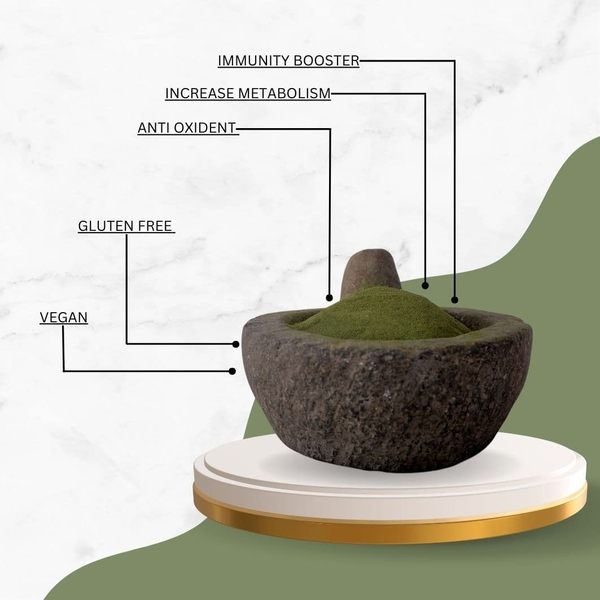
Green leaf powders and dark herbs. Moringa, matcha, and spirulina all contain polyphenol compounds with antioxidant and anti-inflammatory properties. Useful as part of a varied diet, not a substitute for the foods above, but a genuine contributor.
Tea. Both green and black tea contain catechins and theaflavins with documented anti-inflammatory activity. Regular consumption is one of the most consistent dietary patterns in long-lived populations globally.
Anti-inflammatory foods at a glance (Australian kitchen)
Use this as a shopping and plate checklist, not a cure list. Pattern over time beats any single “superfood”.
| Food | Why it helps | Easy AU swap | How often |
|---|---|---|---|
| Fatty fish | EPA/DHA omega-3s | Tinned sardines or salmon instead of processed meat | 2 to 3 times/week |
| Extra virgin olive oil | Polyphenols (e.g. oleocanthal) | Dress salads / finish veg instead of deep-fried takeaway | Daily |
| Berries / dark fruit | Anthocyanins | Frozen blueberries over sweet snacks | Most days |
| Leafy greens | Vitamin K, folate, plant compounds | Silverbeet or spinach with dinner | Daily |
| Turmeric + black pepper | Curcumin absorption boosted by piperine | Pinch in eggs, dahl, or roasted veg | Several times/week |
| Ginger | Gingerols / shogaols | Fresh ginger tea or stir-fry | Most days if you like it |
| Walnuts / flax | Plant omega-3 (ALA) + antioxidants | Handful on oats or yoghurt | Most days |
| Legumes | Fibre + plant protein; diet pattern support | Lentil soup or chickpea salad instead of UPF lunch | Several times/week |
| Moringa leaf powder | Polyphenols as one green food among many | ½, 1 tsp in a smoothie (not a replacement for veg/fish) | Optional daily food use |
| Green / black tea | Catechins / theaflavins | Brewed tea instead of sugary soft drink | 1 to 3 cups/day |
A practical daily plate (Australia)
You do not need a special “anti-inflammatory protocol.” Build most meals like this:
- Half the plate: vegetables (leafy greens + colour)
- A quarter: protein (fish, legumes, eggs, yoghurt, lean meat)
- A quarter: whole carbs (potato, brown rice, oats, wholegrain bread)
- Fat: olive oil, avocado, nuts/seeds rather than deep-fried defaults
- Drinks: water, tea, coffee without syrup loads; limit soft drink and excess alcohol
Sample day: oats with berries and walnuts; lunch salad with chickpeas and EVOO; dinner salmon or lentils with silverbeet; ginger or green tea in the afternoon. If you use moringa, treat it as a small green-powder add-in to breakfast, not the hero of the plate. For UPF swaps, see our ultra-processed food guide.
What drives inflammation in Australian diets
Ultra-processed foods. High refined carbohydrate load. Industrial seed oils (sunflower, canola, soybean) in large amounts relative to omega-3 intake. Processed meat. Excess alcohol. These are the dietary patterns most strongly associated with elevated inflammatory markers in Australian research.
The anti-inflammatory diet isn’t a special protocol: it’s a pattern of eating more whole, minimally processed foods and fewer ultra-processed ones, combined with consistent healthy fats, vegetables, and protein.
Using leaf powder? See what moringa powder tastes like and how to use moringa powder daily.
FAQ
What are the most anti-inflammatory foods?
The most consistently supported options are fatty fish, extra virgin olive oil, berries and dark fruits, dark leafy greens, turmeric with black pepper, ginger, walnuts and flaxseeds, and legumes. Green and black teas also have documented anti-inflammatory properties. Moringa can sit as one green powder among many foods, not a cure-all.
What foods cause the most inflammation?
Ultra-processed foods are most consistently linked with higher inflammation markers. Refined carbohydrates, industrial seed oils in high amounts, excess sugar, processed meats, and excess alcohol are the main dietary drivers in Australian diets.
Can you reduce inflammation through diet alone?
Diet is a powerful lever, but sleep, exercise, stress, and smoking also matter. No single food cures inflammation; the pattern of eating over time matters more than any ingredient.
Where does moringa fit?
As an optional green leaf powder with polyphenols, one row on the table above, not a replacement for fish, olive oil, vegetables, or cutting ultra-processed food. More research context: moringa and inflammation.
How quickly will diet change inflammation markers?
Some people feel better within weeks (less bloating, steadier energy); measurable marker changes usually take consistent months. Focus on the daily plate pattern, not a 3-day “detox.”
Written by Neer. NutriThrive Australia.
Ultra-processed food: the full guide → · Moringa and inflammation research →
These statements have not been evaluated by the TGA. This content is general information only, not medical advice.
Ready to Try Moringa?
Shop our 100% pure moringa powder: packed fresh in Melbourne. Same-day dispatch.
Update log
- 7 Jul 2026: Article published.
Guides in this cluster
These articles stay live on their own URLs. This page is the hub, start here, then dig into any topic below.
- How to Strengthen Your Immune System Naturally: What the Evidence Actually Shows (2026)
- Vitamin D Deficiency in Australia: The Paradox of the Sunniest Country (2026)
- Signs You Might Be Magnesium Deficient (Most Australians Are)
- The Best Plant-Based Iron Foods for Australians (And How to Absorb Them Better)
- How Much Protein Do Australian Women Actually Need? (2026 Guide)
- How Much Water Should You Actually Drink Per Day? (Guide for Australians)
- Ultra-Processed Food in Australia. What It Actually Is and How Much You're Eating
- What Happens to Your Body When You Stop Eating Ultra-Processed Food for 30 Days
- Seed Oils: Are They Actually Bad for You? What the Research Says (2026)
- How to Eat 30 Different Plants Per Week (And Why It Matters for Gut Health)
- How to Build a Balanced Plate at Every Meal (No Calorie Counting)
- How to Balance Hormones Naturally Through Food: What Actually Works (2026)
- What to Eat During Perimenopause: A Guide for Australian Women (2026)
- Strength Training for Women Over 35. Why the Evidence Has Shifted Away from Cardio
- How to Age Well in Your 40s: The Habits That Will Matter in Your 60s (2026)
- Longevity Foods: What Australians Should Eat Every Day to Live Longer (2026)
- Why Chronic Stress Makes You Gain Weight (And What to Do About It)
- Blood Sugar Spikes. What They Are and How to Avoid Them Through Food (2026)
- Fibre Deficiency in Australia: The Cancer Risk Most People Don't Know About
- What to Eat on Ozempic & GLP-1 Medications (2026)
- The Gut-Brain Connection. Why Your Digestion Affects Your Mood (2026)
- How to Eat More Vegetables Without Changing Your Whole Diet (2026)
- Omega-3 Deficiency in Australia: The Silent Driver of Inflammation (2026)
- Why You're Always Tired: 7 Nutritional Deficiencies That Cause Fatigue in Australians
- Shop related product

A practical next step
400g Moringa Bundle
Four 100g pouches of our farm-grown moringa. Save $21 compared with four packs at the $14 original price. Manufactured by NutriThrive and packed in Truganina.
$35.00 / 400g