How Much Moringa Powder Per Day? Dosage Guide (2026)
Last updated: 20 May 2026
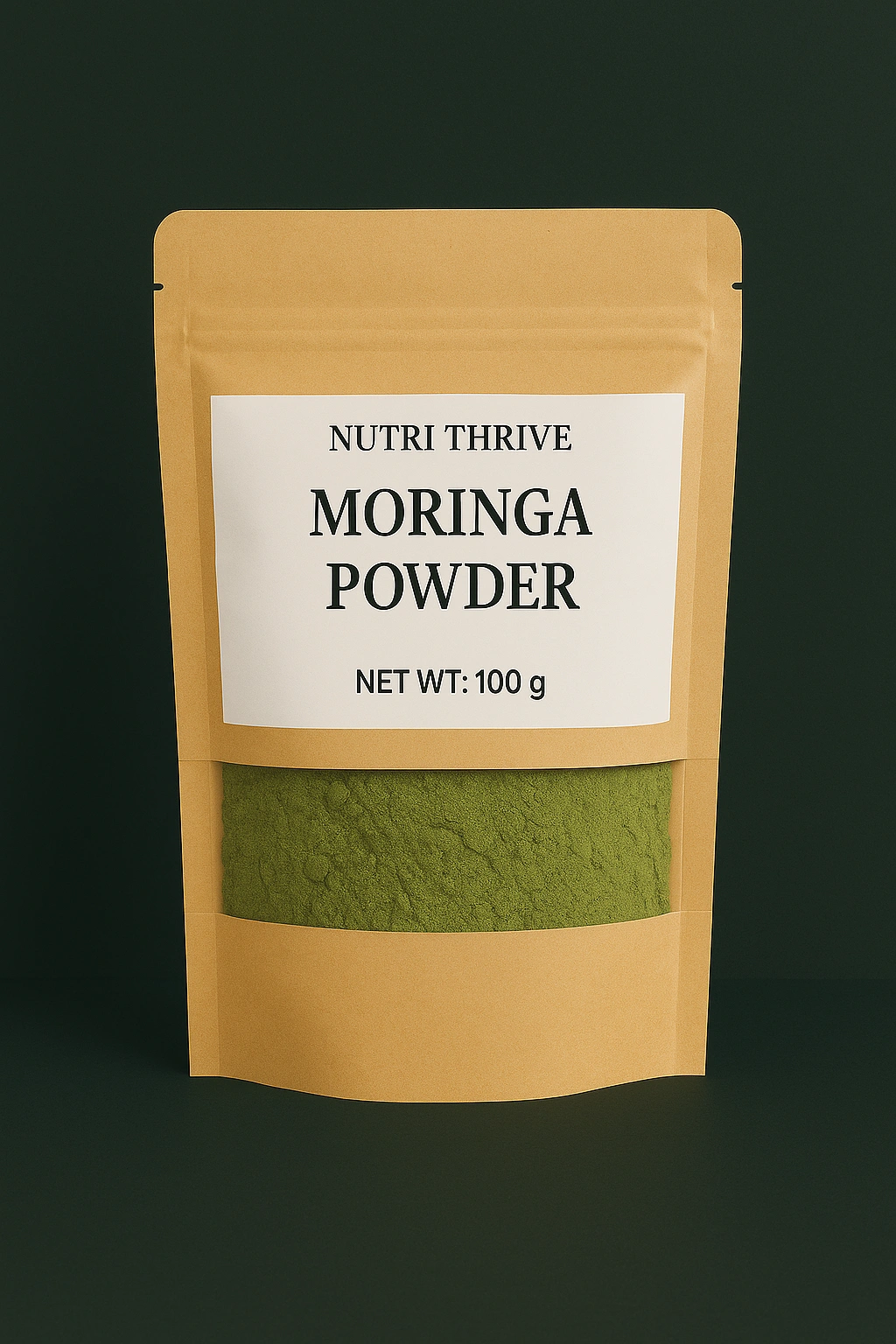
Adults: 1–2 teaspoons (3–10 g) of moringa powder per day. Start with ½ teaspoon (about 2 g) for the first week, then increase. Most people do well on 1 teaspoon daily. Do not exceed 3 teaspoons (about 12 g) without medical guidance.
If you have just bought moringa powder — or you are staring at a bag wondering whether one teaspoon is enough — this guide is for you. Getting the dose right matters more than most supplement marketing admits: too little and you notice nothing; too much and your stomach will tell you quickly.
How much is a teaspoon of moringa?
A level teaspoon of fine moringa leaf powder is roughly 2–3 grams. A heaped teaspoon can be 4–5 g. Capsules vary by brand — always read the label — but powder gives you the most control and usually better value per gram of actual leaf.
Moringa dosage by age (Australia 2026)
| Age group | Starting dose | Typical daily dose | Notes |
|---|---|---|---|
| Teens (14–17) | ¼ tsp | ½–1 tsp | Food amounts; avoid mega-doses |
| 20s–30s | ½ tsp | 1–2 tsp | Energy, skin, general nutrition |
| 40s–50s | ½ tsp | 1–2 tsp | Blood sugar, joints, hormones |
| 60+ | ¼–½ tsp | 1–2 tsp | Check meds (blood thinners, diabetes) |
Women often land at 1–2 tsp daily for hormones and iron support — see our moringa benefits for women guide.
What happens if you take too much moringa?
Moringa is not toxic at normal food doses, but more is not better. Common signs you went too fast or too high:
- Mild nausea or stomach cramps
- Loose stools or diarrhoea (moringa is fibre-rich)
- Headache (uncommon; often from taking a large dose on an empty stomach)
Human studies have used higher amounts under supervision, but for daily home use, staying at or below 2 teaspoons is the sweet spot for most adults. If symptoms appear, drop back to ½ tsp and take with food. Full breakdown: moringa side effects guide.
How to start: week-by-week ramp
Week 1
½ teaspoon once daily — mixed into a smoothie, juice, or yogurt with food. This lets your gut adapt.
Week 2
1 teaspoon once daily — same routine. If you feel great and no digestive issues, stay here; many people never need more.
Week 3+
Optional: move to 1 teaspoon twice daily (morning and lunch) if you want a stronger nutritional push — still stay under 3 tsp total unless your clinician advises otherwise.
When to take moringa: morning, night, or with food?
Best for most people: morning with breakfast or in a mid-morning smoothie. You get steady nutrients without relying on it as a sleep aid (moringa is caffeine-free but can feel energising for some).
- With food: reduces nausea risk
- Morning: pairs well with routine; supports daytime energy
- Avoid late night if you are sensitive — a minority report lighter sleep on full doses before bed
For taste tips, see how to use moringa without the bad taste.
Powder vs capsules: dose comparison
Two capsules might only equal ½–1 tsp of powder depending on fill weight. Powder lets you titrate slowly; capsules are convenient but easy to under- or over-shoot. Compare formats in our powder vs capsules guide.
Who should take less (or ask a doctor first)
- Pregnant or breastfeeding women — small food amounts may be OK; confirm with your obstetrician
- People on blood thinners — moringa contains vitamin K
- Diabetes medication — may affect blood sugar; monitor with your GP
- Thyroid conditions — high doses may interact; medical guidance advised
Frequently asked questions
Can I take more than 2 teaspoons per day?
Some people tolerate 3 tsp, but there is little benefit for most healthy adults beyond 1–2 tsp. Higher doses increase digestive side effects without guaranteed extra results.
What if I miss a day?
Just resume the next day. No need to double up.
Can I take moringa every day long-term?
Yes — consistency matters. Many Australians take 1 tsp daily for months or years when tolerated well.
Is moringa safe in Australia?
Yes — it is legal and widely sold. See is moringa banned in Australia? for the full regulatory picture.
Ready to Try Moringa?
Shop our 100% pure moringa powder — lab-tested, shade-dried, packed fresh in Melbourne. Same-day dispatch.
Disclaimer: General information only, not medical advice. Consult your healthcare provider before starting any supplement, especially if pregnant, breastfeeding, or on medication.