How to Grow Moringa in Australia (Complete Guide 2026)
Last updated: 20 May 2026
Moringa grows well in northern and tropical Australia — coastal Queensland, the NT, and northern WA are ideal. It struggles outdoors in frost-prone areas (Melbourne, Canberra, Tasmania, inland SA). Southern gardeners can grow moringa in large pots with winter protection. Expect 8–12 months from seed to useful leaf harvest outdoors in warm zones.
Moringa (Moringa oleifera) is nicknamed the "miracle tree" because it grows fast in the tropics and every part is useful — but Australia is a big country with very different climates. This guide is written for Australian gardeners: where it works, where it does not, how to grow in pots if you live south, and what to do while your seedling is still a stick in a pot.
Can moringa grow in Australia?
Yes — in the right climate. Moringa is not native to Australia but is widely grown as a food tree in the north. It loves heat, full sun, and free-draining soil. It hates:
- Frost (below about 2°C damages leaves; hard frost kills stems)
- Waterlogged roots (rot in clay that stays wet)
- Long cold, grey winters without moving indoors
If you are in tropical or subtropical zones, outdoor trees are realistic. If you are in cool temperate zones, treat moringa as a warm-season annual or potted tree — not a set-and-forget orchard plant.
Growing moringa by Australian state & region
| Region | Outdoor in ground? | Notes |
|---|---|---|
| QLD (coastal & north) | Excellent | Brisbane to Cairns — year-round growth possible; protect young trees from rare cold snaps south of Sunshine Coast |
| NT & northern WA | Excellent | Dry season watering needed; mulching helps in sandy soils |
| NSW (coastal) | Good | Sydney north coast & mid-north coast — microclimates matter; frost pockets inland |
| NSW (inland) / ACT | Marginal | Frost risk; pots or greenhouse; short outdoor season |
| VIC (Melbourne) | Difficult | Large pot, sunny spot, move under cover in winter — see our Melbourne delivery page for local context |
| SA (Adelaide) | Marginal | Hot summers help; winter frost limits in-ground planting |
| TAS | Very difficult | Indoor/glasshouse only for most growers |
Rule of thumb: if your area rarely frosts and summers are long and hot, try in-ground. If you see frost on the news each winter, plan for pots.
Growing moringa in pots (southern states)
Pots are how most Victorians, Tasmanians, and inland NSW gardeners keep moringa alive.
- Pot size: start 20–30 cm, move to 40–50 cm+ as the taproot develops
- Soil: free-draining potting mix + compost; add sand or perlite if it clumps
- Position: sunniest spot you have — 6+ hours direct sun
- Winter: move under eaves, into a greenhouse, or indoors near a bright window before frost
- Pruning: pinch tips when 60–80 cm tall to encourage bushier leaf growth in small spaces
Potted trees grow slower and yield less leaf than a tropical in-ground tree — that is normal. You are trading maximum harvest for climate control.
Moringa seed to harvest timeline (Australia)
| Stage | Warm zones (QLD/NT) | Cool zones (pots / VIC) |
|---|---|---|
| Germination | 1–2 weeks | 2–3 weeks (needs warmth 22–30°C) |
| First true leaves | 3–4 weeks | 4–6 weeks |
| Light leaf harvest | 3–4 months | 5–8 months (one warm season) |
| Regular picking | 6–8 months+ | Often year 2 if overwintered |
| Tree height (unpruned) | 2–4 m in year 1 | 1–2 m in year 1 in pot |
Most home growers in the south get a taste of fresh leaves in year one and a better harvest in year two if the plant survives winter.
How to grow moringa from seed (step-by-step)
1. Buy viable moringa seeds (Australia)
Source from Australian nurseries, Daleys Fruit Tree Nursery, or reputable seed sellers. Avoid fridge storage — seeds prefer a cool dark drawer. Soak seeds 12–24 hours in room-temperature water before planting.
2. Germinate warm
Use seed trays or small pots at 22–30°C. In Melbourne or Hobart, start indoors in late spring (October–November), not in cold soil outdoors. Germination: typically 7–14 days when warm enough.
3. Planting depth & soil
Plant 1–2 cm deep in moist, free-draining mix. Keep moist, not soggy. Full sun from the seedling stage if possible.
4. Transplant carefully
Moringa has a taproot. Transplant when seedlings are sturdy (often 15–25 cm tall) into a deeper pot or garden hole — at least 40–50 cm deep for in-ground. Disturb roots minimally.
5. Water & feed
- Young plants: water every 2–3 days in dry weather; less if rain
- Established trees: drought-tolerant but leaf production needs regular water in dry season
- Fertiliser: light compost or balanced organic feed in spring — avoid heavy nitrogen-only feeds that reduce leaf quality
6. Harvest leaves
Pick young, tender leaflets and small stems — wash before eating. Do not strip the whole tree at once; harvest up to one-third of growth, let recover. For daily nutrition most Australians use dried powder because fresh leaf supply is seasonal — fresh leaves vs powder explains why.
Common moringa growing problems in Australia
Frost damage
Leaves blacken and drop after frost. Protect with fleece, move pots inside, or accept die-back and cut back to live wood in spring if the roots survived.
Overwatering / root rot
Yellowing leaves, wilting despite wet soil, foul smell at base. Fix drainage, reduce watering, repot with gritty mix if in a container.
Yellow leaves (not frost)
Often too much water, nutrient deficiency, or cold nights. Check drainage and sun hours first.
Pests
Aphids and caterpillars appear on soft growth — hose off, hand-pick, or use garden-safe soap sprays. Healthy sun-stressed plants recover faster.
Leggy weak seedlings
Not enough light or too cold. More sun, heat mat for germination, pinch tops once 4–6 leaf pairs form.
"My tree grew huge but I get no leaves"
Unpruned trunks shoot upward. Pollard or cut back to 1–1.5 m to force leafy side branches — standard practice in food-tree cultivation.
Buying moringa powder while your tree grows
A seedling takes months; a reliable daily habit takes seconds with powder. Most Australians who want iron, antioxidants, and routine nutrition do not wait 8–12 months for their first useful harvest — they use tested powder now and treat home growing as a bonus project.
What to look for when buying:
- Bright green shade-dried leaf powder
- Lab tests for heavy metals
- Clear batch dates — how to choose moringa in Australia
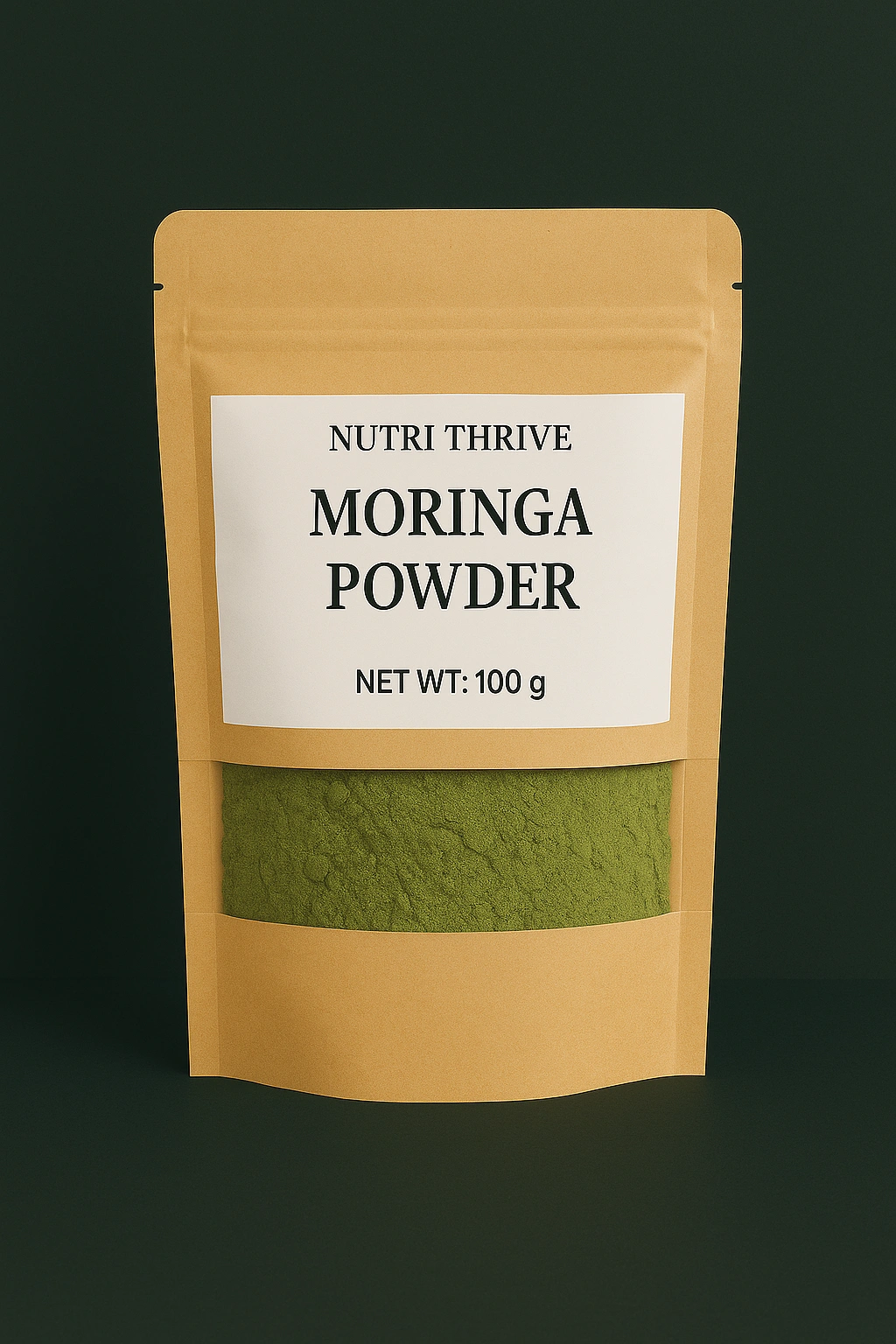
NutriThrive powder is packed in Melbourne with same-day dispatch before 2pm — useful if you are in a cool state and your patio tree is dormant half the year.
Growing moringa in Melbourne specifically
Melbourne summers can be excellent for potted moringa; winters are the killer. Start seeds indoors in October, harden off in November, enjoy rapid summer growth, then move under cover by May. Many locals pair a small potted tree with daily powder — honest expectation, not failure. More local tips: moringa in Melbourne guide.
FAQ: growing moringa in Australia
How long does moringa take to grow in Australia?
In warm zones, useful leaf in 3–4 months from seed; regular harvest from 6–8 months. In cool zones with pots, often 8–12 months to meaningful leaf, with best yields in year two.
Can moringa survive winter in Melbourne?
Only with protection. Move pots indoors or to a frost-free spot; in-ground trees usually die or die back without cover.
Where can I buy moringa seeds in Australia?
Nurseries, online seed suppliers, and fruit-tree specialists (e.g. Daleys). Buy fresh seed and soak before planting.
Is it legal to grow moringa in Australia?
Yes. Moringa oleifera is commonly grown as a food plant. Leaf powder sold as food must meet normal food-safety rules — see is moringa banned in Australia?
Is home-grown moringa better than powder?
Fresh leaves are lovely when in season. Powder is more concentrated, available year-round, and easier to dose — many people use both. Fresh leaves vs powder.
Ready to Try Moringa?
Shop our 100% pure moringa powder — lab-tested, shade-dried, packed fresh in Melbourne. Same-day dispatch.
Disclaimer: General information only, not medical advice. Consult your healthcare provider before starting any supplement, especially if pregnant, breastfeeding, or on medication.