 NutriThrive
Moringa vs Ashwagandha: Key Differences Explained
Compare moringa and ashwagandha, including what they are, common uses, evidence limits, side effects and when to speak with a health professional.
Quick Answer
Moringa is a daily nutrient leaf powder for iron, vitamins, and minerals. Ashwagandha is a stress adaptogen herb studied for cortisol and sleep. They solve different problems. Pick moringa for nutritional gaps; pick ashwagandha for chronic stress. Many people take both because the mechanisms do not conflict.
- Moringa: Food-first nutrition (iron, magnesium, vitamin A, antioxidants).
- Ashwagandha: Herbal extract with stronger human trial evidence for stress and cortisol.
- Not interchangeable: tired from low iron points to moringa; burned out from stress points to ashwagandha.
- Ashwagandha needs more caution around thyroid conditions, pregnancy, and medications.
- Both together is common when nutrition depletion and chronic stress overlap.
Both are ancient plants with modern wellness followings. Both get recommended for energy and stress. They are not the same thing, and which one makes more sense depends on what you are actually trying to address.
What moringa actually is
Moringa is primarily a nutritional food: dense in vitamins, minerals, and antioxidants. When people report feeling better from taking moringa consistently, the most likely mechanism is correction of nutritional gaps (particularly iron, magnesium, and vitamin A) rather than a direct pharmacological effect on stress hormones. It is a food first and a wellness tool second.
What ashwagandha actually is
Ashwagandha (Withania somnifera) is more pharmacologically active than moringa: it contains withanolides, compounds that have been studied specifically for effects on cortisol, the adrenal system, and the stress-response pathway. The clinical evidence for ashwagandha’s stress and cortisol effects is meaningfully stronger than for most other adaptogens, with multiple well-designed human trials showing reduced cortisol and perceived stress scores.
Side-by-side comparison
| Moringa | Ashwagandha | |
|---|---|---|
| Primary Benefit | Daily micronutrient density (iron, magnesium, vitamin A) | Stress and cortisol adaptation, sleep support |
| Best Time | Morning with food or in a smoothie | Evening or before bed (follow label dosing) |
| Form | Leaf powder (food) | Capsule or standardized root extract |
| Synergy | Pair with vitamin C foods for iron absorption | Pairs well with magnesium and consistent sleep habits |
| Who It Suits | Iron gaps, vegan diets, caffeine-free daily greens | Chronic stress, poor sleep, cortisol-related burnout |
Who should take moringa
- You want a food-based daily nutrient top-up without caffeine.
- Blood tests or diet suggest low iron, magnesium, or general micronutrient gaps.
- You prefer powder in smoothies, oats, or soups over capsule routines.
- Your fatigue feels tied to nutrition, not wired-at-night stress.
Who should not rely on moringa alone
- Your main issue is chronic stress, anxiety, or cortisol dysregulation (ashwagandha is more targeted).
- You need fast, stimulant-like alertness (neither powder is a caffeine substitute).
- You are treating a diagnosed medical condition without clinician guidance.
Who should take ashwagandha
- Chronic stress, poor sleep, or feeling wired and tired at the same time.
- You want an adaptogen with published human trial data for cortisol.
- You are comfortable taking a concentrated herbal extract on a set schedule.
Who should avoid or pause ashwagandha
- Pregnancy or breastfeeding (not recommended without obstetric approval).
- Active thyroid condition or thyroid medication (can affect hormone levels).
- Immunosuppressants, sedatives, or other medications without a GP check first.
- You want a simple food powder with minimal interaction risk (moringa is lower risk).
Decision tree: daily nutrients vs stress support
What is your main goal?
- Need daily nutrients? → Low iron, patchy diet, want caffeine-free greens → Moringa
- Need stress support? → Poor sleep, high cortisol, chronic burnout → Ashwagandha
- Both? → Nutrition depletion and stress running together → Both (check with GP if medicated)
- Not sure? → Start with bloods and a GP chat before buying two new supplements
What to watch with ashwagandha
Ashwagandha has more drug interactions and contraindications than moringa: it can affect thyroid hormone levels, which matters if you have a thyroid condition, and it has potential interactions with immunosuppressants and sedatives. It is also not recommended in pregnancy. None of this makes it dangerous, but it warrants a conversation with your GP before starting, more than moringa does.
Can you take both?
Generally yes. Ashwagandha targets the stress-response system; moringa fills nutritional gaps. The mechanisms do not conflict. If you are on any medication, confirm the combination with your GP first.
If you choose powder over capsules or tablets, start with what moringa powder tastes like then how to use moringa powder daily.
Buying powder? How to choose · verify quality.
FAQ
Is moringa or ashwagandha better for stress?
Ashwagandha has stronger specific evidence for cortisol and stress. Moringa addresses nutritional deficiencies that can worsen stress symptoms.
Can you take them together?
Generally yes: they work on different mechanisms. Check with your GP if you are on any medication.
Which is better for energy?
Nutrition-related fatigue: moringa. Stress-related fatigue: ashwagandha.
These statements have not been evaluated by the TGA. Not intended to diagnose, treat, cure, or prevent any disease.
If Moringa Fits Your Goals
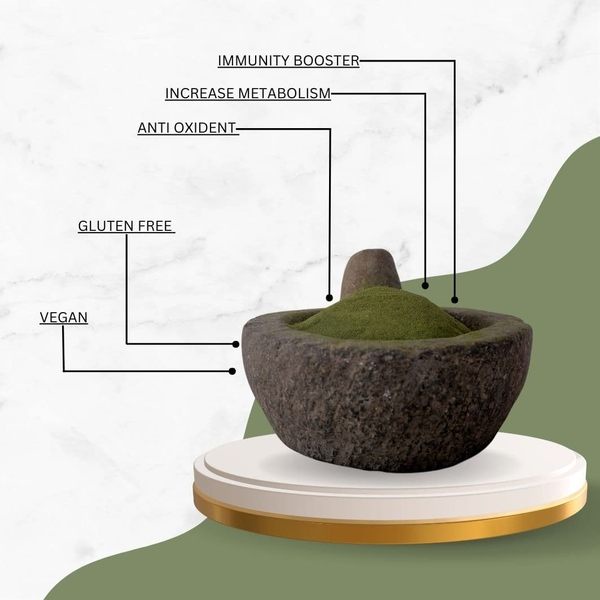
If daily nutrients without caffeine sounds like your pick, NutriThrive moringa powder is lab-tested and packed in Melbourne. See product details when you are ready.
Update log
- 22 Jul 2026: Added Quick Answer, decision tree, who should/shouldn't sections, and expanded comparison table.
- 27 Jun 2026: Article published.

A practical next step
Moringa Powder
Grown on our farm, shade-dried and manufactured by NutriThrive. Tested in Australia and packed in Truganina. Same-day dispatch before 2pm, Monday to Friday.
$11.00 / 100g