 NutriThrive
Best Plant-Based Iron Foods (and How to Absorb More)
The best plant-based iron sources for Australians, plus how to actually absorb more of it, including where moringa fits in.
Quick Answer
The highest plant-based iron sources are: lentils (about 6.6mg per cooked cup), tofu (about 3.4mg per 100g), tempeh (about 2.7mg per 100g), chickpeas (about 4.7mg per cooked cup), kidney beans, pumpkin seeds (about 2.5mg per 28g), spinach (about 3.6mg per cooked cup), dried apricots, dark chocolate, and green leaf powders including moringa.
Iron deficiency is one of the most common nutritional problems in Australia, and it’s most common in groups who eat less red meat: women of reproductive age, vegetarians and vegans, endurance athletes, and teenagers. If you’re reducing your meat intake or avoiding it entirely, understanding which plant foods deliver meaningful iron, and crucially, how to actually absorb it: is more important than most nutrition guides acknowledge.
Why plant-based iron is different
There are two forms of dietary iron. Haem iron comes from meat, fish, and poultry: it’s absorbed at roughly 15-35% efficiency. Non-haem iron comes from plants: it’s absorbed at only 2-20% efficiency under the same conditions.
This absorption gap is significant, and it’s why the official recommended daily iron intake for vegetarians is set roughly 80% higher than for people who eat meat. It’s not that plant iron doesn’t work: it’s that you need more of it and need to take specific steps to maximise how much your body actually takes up.
The best plant-based iron sources
Lentils: One of the highest plant-based iron sources. A cooked cup delivers around 6.6mg of iron: almost half the daily requirement for a non-vegetarian adult man, and about a third of the higher requirement for vegetarian women. Lentils are also high in protein, fibre, and folate. If you had to pick one iron food to eat regularly, this is it.
Chickpeas and kidney beans: Similar range. Chickpeas provide about 4.7mg per cooked cup; kidney beans slightly more. All legumes are meaningful iron sources and should appear in a vegetarian diet multiple times per week rather than occasionally.
Tofu and tempeh: Soy products are among the most iron-dense plant foods. Tofu at around 3.4mg per 100g and tempeh slightly higher. Both are also significant protein sources, making them doubly useful for plant-based diets.
Pumpkin seeds: One of the most iron-dense single foods per gram. A small handful (28g) delivers about 2.5mg. Easy to add to salads, oats, or smoothies.
Spinach and dark leafy greens: Cooked spinach delivers about 3.6mg per cup, though the phytates and oxalates in raw spinach reduce absorption. Cooking reduces the oxalates and increases the amount absorbed. Swiss chard, silverbeet, and kale are similar.
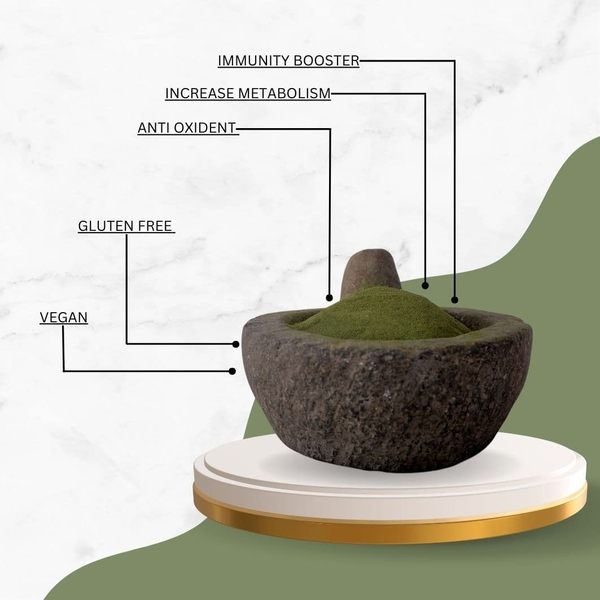
Moringa leaf powder: Concentrated, dried moringa leaf is iron-dense relative to most leafy greens specifically because the drying concentrates the mineral content. A teaspoon contributes meaningfully to daily iron intake, and pairing it with a vitamin C source in the same meal (lemon in the smoothie, orange juice alongside) amplifies absorption.
Other contributors: Dark chocolate (70%+ cocoa), dried apricots, blackstrap molasses, and fortified cereals (check the label: iron fortification varies widely by brand).
How to actually absorb it
The gap between how much iron a food contains and how much your body uses is large and controllable. The most important factors:
Always pair with vitamin C. This is the single most effective thing you can do. Vitamin C chemically converts non-haem iron to a more absorbable form in your gut. A squeeze of lemon, capsicum in the same meal, or a glass of orange juice with or before your iron-rich food. It doesn’t need to be a large amount, even 25mg (roughly a quarter of a lemon’s juice) makes a meaningful difference.
Avoid tea and coffee with or immediately after iron-rich meals. Tannins in both bind to iron and significantly reduce absorption. Leave a 30-60 minute gap.
Cook with cast iron when possible. A small amount of iron leaches from cast iron cookware into food during cooking: measurable and meaningful, particularly for acidic foods cooked for longer periods.
Be consistent. Dietary iron correction is slow. Unlike supplemental iron which works faster, building iron through food is a weeks-to-months process. Daily consistency matters more than occasional large amounts.
Using leaf powder? See what moringa powder tastes like and how to use moringa powder daily.
FAQ
Best plant iron foods?
Lentils, chickpeas, tofu, tempeh, pumpkin seeds, spinach, moringa leaf powder, dark chocolate.
How can vegetarians get enough?
80% higher intake than meat-eaters, paired with vitamin C, avoiding tea/coffee around meals.
Does vitamin C really help?
Yes. One of the best-established nutrition pairings. Can increase absorption 2-6 times.
Written by Neer. NutriThrive Australia. Moringa leaf powder is one of the iron contributors mentioned above: we keep ours shade-dried and lab-tested to ensure the iron content is real rather than theoretical.
Iron deficiency in Australian women → · Moringa with vitamin C → · Shop Moringa Powder →
These statements have not been evaluated by the TGA. This content is general information only, not medical advice.
Ready to Try Moringa?
Shop our 100% pure moringa powder: packed fresh in Melbourne. Same-day dispatch.
Update log
- 7 Jul 2026: Article published.

A practical next step
400g Moringa Bundle
Four 100g pouches of our farm-grown moringa. Save $21 compared with four packs at the $14 original price. Manufactured by NutriThrive and packed in Truganina.
$35.00 / 400g