 NutriThrive
Why Am I Always Tired? The Nutritional Causes
Always tired despite sleeping enough? The most common nutritional deficiencies behind fatigue in Australians. Practical Australian guidance from NutriThrive.
Quick Answer
Iron deficiency is the most common nutritional cause of fatigue in Australians, particularly women of reproductive age. It can cause persistent tiredness, brain fog, breathlessness during normal activity, and reduced physical and cognitive performance: often before anaemia is detectable. Vitamin B12 deficiency is the second most common, particularly in vegetarians and vegans.
This is probably one of the most relatable questions in health: you’re getting enough sleep (or something close to it), you’re not doing anything more strenuous than you used to, and yet you’re tired all the time. Not dramatically unwell, just chronically, persistently flat.
There are lots of reasons this happens, and not all of them are nutritional. But several very common nutritional deficiencies produce exactly this pattern, are frequently undiagnosed, and are relatively straightforward to address once identified. Here are the ones worth testing for.
1. Iron deficiency
The most common nutritional cause of fatigue in Australian women, and underdiagnosed in men too. Iron is essential for haemoglobin, the protein in red blood cells that carries oxygen to every tissue in your body. When iron is low, cells don’t get enough oxygen, and your brain and muscles feel it as persistent tiredness, difficulty concentrating, breathlessness during activities that didn’t used to cause it, and sometimes cold hands and feet.
The crucial detail: ferritin (your iron stores) can be depleted long before haemoglobin drops enough to show anaemia on a standard blood test. This means a "normal" blood test doesn’t necessarily mean your iron is fine: ask your GP specifically for serum ferritin, not just a full blood count.
Women with heavy periods are at consistently higher risk. Vegetarians and vegans need about 80% more dietary iron than meat-eaters because plant-based iron absorbs less efficiently. Distance runners and endurance athletes are another high-risk group.
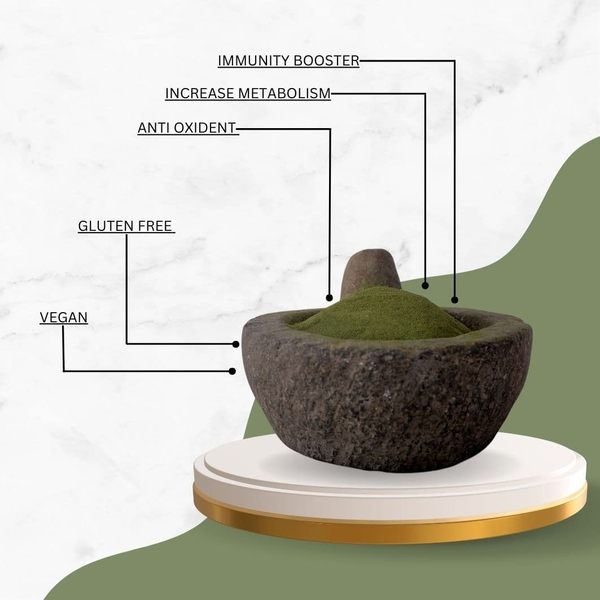
Plant-based iron sources that contribute meaningfully: lentils, chickpeas, tofu, spinach, pumpkin seeds, and moringa leaf powder. Always pair with vitamin C for better absorption.
2. Vitamin B12 deficiency
B12 is essential for nerve function, red blood cell production, and DNA synthesis. Deficiency causes profound fatigue, brain fog, memory issues, tingling or numbness in hands and feet, and mood changes. It builds slowly: the body stores B12 for years, so deficiency is a slow process that’s often missed until it’s significant.
Who’s at risk: vegetarians and vegans (B12 is found almost exclusively in animal products), people over 50 (absorption decreases with age), anyone taking metformin long-term (it depletes B12), and people with certain gut conditions that affect absorption.
Food sources: meat, fish, eggs, dairy, and fortified foods. Dietary improvement works for mild insufficiency; injections or high-dose supplements are needed for significant deficiency.
3. Vitamin D deficiency
As covered separately: one in four Australians is vitamin D deficient in winter. Fatigue and low energy are among the most commonly reported symptoms. The mechanism is less clearly understood than for iron or B12, but the association is consistent.
Worth testing if you’re fatigued and haven’t had a vitamin D level checked recently, particularly if you live in a southern state or spend most daylight hours indoors.
4. Magnesium insufficiency
Magnesium is involved in ATP production: the process cells use to generate energy. When magnesium is inadequate, energy metabolism is less efficient. The fatigue from low magnesium is often described as a background heaviness rather than acute tiredness, combined with poor sleep, muscle tension, and difficulty recovering from physical exertion.
Standard blood tests often miss subclinical magnesium insufficiency because only about 1% of total body magnesium circulates in the blood: the rest is in cells and bones. Testing red blood cell magnesium is more informative than serum magnesium.
5. Folate deficiency
Folate (vitamin B9) works alongside B12 in red blood cell production. Deficiency causes megaloblastic anaemia: large, poorly functioning red blood cells that can’t carry oxygen effectively. The fatigue is similar to iron deficiency: persistent, generalised, not fixed by sleep.
At-risk groups: people eating very few leafy greens and legumes, pregnant women (needs increase dramatically), people with absorption issues, and heavy drinkers (alcohol depletes folate).
6. Iodine deficiency
Iodine is essential for thyroid hormone production. Low iodine leads to low thyroid hormone, which slows metabolism and causes fatigue, weight gain, sensitivity to cold, and brain fog: the same symptoms as hypothyroidism. Australia’s iodine intake has declined as dairy consumption has dropped (dairy is a significant iodine source due to iodine-based sanitisers in dairy production).
Sea vegetables (nori, kelp), fish, and iodised salt are the main dietary sources. Iodine deficiency is underappreciated as a cause of fatigue in Australia.
7. Coenzyme Q10 (CoQ10) insufficiency
CoQ10 is produced by the body and plays a central role in mitochondrial energy production. Levels decline naturally with age and are significantly depleted by statin medications. This is a relatively recent understanding: the research is strong enough that some guidelines suggest CoQ10 supplementation for people on statins who experience muscle fatigue.
Not technically a dietary deficiency in the classical sense: more of a depletion, but worth knowing about if you’re on statins and fatigued.
What to actually do
Before changing your diet or starting supplements, get a blood test. Ask your GP for: full blood count, serum ferritin, vitamin B12, folate, vitamin D, and thyroid function (TSH). This baseline tells you which of these is actually your problem rather than guessing.
Treating the wrong deficiency wastes time and money. Treating the right one makes a noticeable difference relatively quickly: iron correction takes weeks to months; B12 can work faster.
FAQ
What deficiency causes the most fatigue?
Iron, most commonly in Australian women. B12 second.
How do I know it’s nutritional?
A blood test. Specifically: ferritin, B12, folate, vitamin D, TSH.
Can diet fix it?
Mild deficiency: yes, over time. Significant deficiency: usually needs supplementation first.
Written by Neer. NutriThrive Australia.
Signs of magnesium deficiency → · Vitamin D deficiency in Australia → · Iron deficiency in Australian women →
These statements have not been evaluated by the TGA. This content is general information only, not medical advice.
Ready to Try Moringa?
Shop our 100% pure moringa powder: packed fresh in Melbourne. Same-day dispatch.
Update log
- 7 Jul 2026: Article published.

A practical next step
400g Moringa Bundle
Four 100g pouches of our farm-grown moringa. Save $21 compared with four packs at the $14 original price. Manufactured by NutriThrive and packed in Truganina.
$35.00 / 400g