 NutriThrive
Signs of Magnesium Deficiency: What to Eat
Common signs of magnesium deficiency in Australians, and the best food sources to fix it naturally. Practical Australian guidance from NutriThrive.
Quick Answer
The most common signs include muscle cramps (especially leg cramps at night), persistent fatigue that doesn't improve with rest, poor sleep, headaches and migraines, irritability and low mood, eye twitches, and restless legs. Early symptoms are easy to miss because they overlap with stress, overwork, and general tiredness.
Here’s a stat that tends to surprise people: estimates from Australian health practitioners suggest up to 80% of the population may not get enough magnesium. That’s not a fringe claim: it’s consistent with what we know about the Western diet, Australian soils, and the modern lifestyle that burns through magnesium faster than most people replace it.
The tricky thing about magnesium deficiency is that the symptoms look exactly like the things most Australians attribute to being busy, stressed, or not sleeping well enough. That makes it easy to live with for years without connecting the dots.
Why magnesium matters so much
Magnesium is involved in over 300 enzyme reactions in your body. That’s not a throwaway stat: it means magnesium touches almost everything: energy production, muscle function, nerve signalling, blood sugar regulation, bone health, sleep quality, and heart rhythm. When you’re running low, the effects are diffuse and hard to pin down, which is exactly why deficiency goes unnoticed.
The symptoms worth knowing
Muscle cramps, particularly at night. This is one of the most consistently reported signs. Leg cramps that wake you up, foot cramps, twitches in the calves or eyelids. Magnesium helps muscles relax after contracting. When it’s low, muscles become more excitable and prone to involuntary contractions.
Fatigue that sleep doesn’t fix. Magnesium is directly involved in ATP production: the process your cells use to generate energy. Low magnesium means less efficient energy metabolism, which can leave you tired even after a full night’s sleep.
Poor sleep quality. Magnesium regulates neurotransmitters that govern sleep onset and quality, including GABA. A 2024 systematic review found supplementation with magnesium may benefit people with mild anxiety and insomnia. Many people who improve their magnesium intake notice they fall asleep more easily and sleep more deeply.
Headaches and migraines. Studies have shown a consistent link between low magnesium and increased migraine frequency and severity. Magnesium is involved in regulating blood vessel tone and neurotransmitter release in the brain.
Irritability, low mood, or anxiety. Magnesium affects serotonin production and the stress-response system. Low magnesium is associated with higher cortisol and a lower stress threshold: meaning everyday frustrations hit harder. This is easy to write off as personality or circumstances, but it’s sometimes nutritional.
Restless legs. That uncomfortable urge to move your legs at night, particularly when you’re lying still, is consistently linked in research to low magnesium. It’s one of the most specific symptoms.
Why Australians are particularly at risk
Two reasons compound each other. First, Australian soils have declining magnesium content: meaning the food grown here contains less than it used to, independently of diet choices. Second, the modern Australian diet is heavily based on refined and processed foods, which contain almost no magnesium compared to whole-food equivalents.
Caffeine and alcohol both increase urinary magnesium excretion. So regular coffee and alcohol intake increases your daily magnesium requirement while many people aren’t meeting even the baseline.
What to eat to increase magnesium
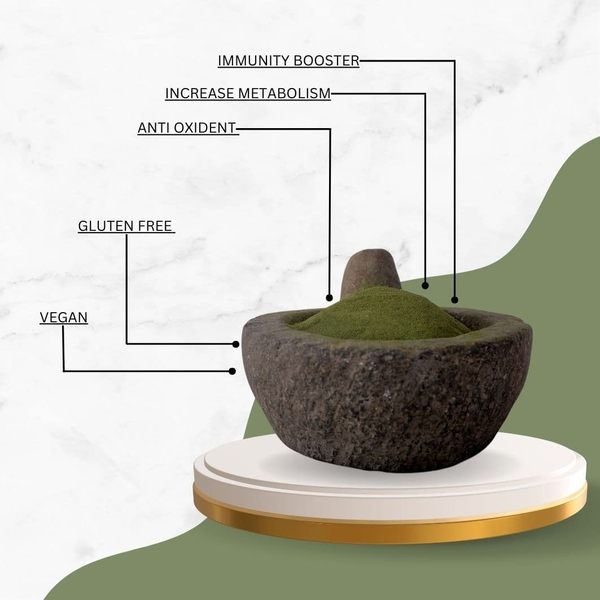
The best sources are whole foods close to their original form. Pumpkin seeds are the highest per gram of any common food. Dark chocolate (70%+ cocoa) is a legitimate source. Legumes: lentils, black beans, chickpeas: are consistent contributors. Leafy greens including spinach and silverbeet. Almonds. Whole grains like brown rice and quinoa. Green leaf powders including moringa also provide meaningful magnesium as part of a daily food habit.
The most effective approach is regular, consistent intake from multiple food sources rather than one large supplement dose. If you’re considering a magnesium supplement, magnesium glycinate is generally better tolerated and absorbed than magnesium oxide.
FAQ
What are the signs?
Muscle cramps, fatigue, poor sleep, headaches, irritability, restless legs, eye twitches.
How common is it in Australia?
Estimates suggest 50-80% of the population may be insufficient or deficient.
Best foods?
Pumpkin seeds, dark chocolate, legumes, leafy greens, whole grains.
Written by Neer. NutriThrive Australia.
Why you’re always tired: nutritional causes → · Moringa for sleep →
These statements have not been evaluated by the TGA. This content is general information only, not medical advice.
Ready to Try Moringa?
Shop our 100% pure moringa powder: packed fresh in Melbourne. Same-day dispatch.
Update log
- 7 Jul 2026: Article published.

A practical next step
400g Moringa Bundle
Four 100g pouches of our farm-grown moringa. Save $21 compared with four packs at the $14 original price. Manufactured by NutriThrive and packed in Truganina.
$35.00 / 400g