The Best Protein & Energy Bars in Australia (2026): Your Ultimate Supermarket Guide
The 2026 Landscape: Two Completely Different Bar Worlds
Most bars in Australia now sit in one of two camps:
- Performance bars – dense, engineered bars with very high protein (often 25–45 g), usually sold near sports nutrition or in the gym aisle.
- Wholefood bars – shorter ingredient lists built from dates, nuts, seeds, egg whites or even savoury, meat-based options with minimal additives.
The right choice depends on your goal: muscle gain, fat loss, hiking fuel, office snacks or IBS-friendly options.
1. The Heavy Hitters: Performance & Muscle Gain Bars
If your priority is hitting a high daily protein target, performance bars are the “engineering marvels” of the snack world.
Ultra-High Protein “Brick” Bars (40–45 g protein)
These are the bars you’ll often find near the gym supplements section. They typically offer:
- Protein: ~40–45 g per bar
- Texture: very dense and chewy — some people describe them as “brick-like”
- Best for: post-workout recovery, high-calorie days, people chasing aggressive muscle gain
Because they are so concentrated, they can feel heavy on the stomach. Many lifters still accept the trade-off because a single bar can replace a shake and a snack.
Moderate-Size Performance Bars (20–25 g protein)
These bars strike a friendlier balance between taste, texture and macros:
- Protein: ~20–25 g per bar
- Carbs: moderate, sometimes with added fibre
- Texture: softer, closer to a chocolate bar or nougat centre
- Best for: everyday snacks, pre- or post-workout, people who want protein without feeling stuffed
The “Low Sugar, High Fibre” Trick
Many performance bars keep sugar low by relying on sugar alcohols (polyols) and added fibre. The label might look impressive, but sensitive stomachs can react badly (more on this in the sugar alcohol section below).
Microwave Hack for Chewy Bars
Got a bar that’s tough and chewy? Unwrap it and microwave for 10–15 seconds. Many low-sugar bars transform into a warm, soft, cookie-like snack — much easier to enjoy after a workout.
2. The Clean-Label Movement: Natural & Wholefood Bars
Not everyone wants a laboratory-style bar. If you prefer to recognise every ingredient on the back of the pack, look for bars that behave more like food than confectionery.
Date, Nut & Egg-White Style Bars
These bars usually have five to eight ingredients — things like dates, egg whites, almonds, cashews and a pinch of salt or spices. They offer:
- Pros: short ingredient lists, no artificial sweeteners, easy to digest for most people
- Cons: naturally higher in sugar (from dates), protein often sits in the 10–15 g range rather than 20–30 g
- Best for: hiking, long walks, busy workdays where you want “real food” energy
Savoury & Very Low-Carb Options
In 2026, more Australians are turning to savoury bars — think high-protein meat-based or seed-based bars with herbs, salt and spices instead of chocolate and caramel.
- Pros: high protein with very low sugar and carbs, no sweetness fatigue
- Cons: strong flavour, not everyone enjoys the taste or texture
- Best for: low-carb or keto styles of eating, people who are sick of dessert-flavoured snacks
3. The Value Report: Best Bang for Your Buck
You shouldn’t need a credit card increase to eat well. Here’s how pricing usually breaks down in 2026 (approximate ranges, in Australian dollars):
| Category | Typical Price / Bar | Where You Usually Find Them | Best Value Strategy |
|---|---|---|---|
| Warehouse-club house-brand whey isolate bars | $2.00–$2.50 | Bulk/warehouse retailers & large online stores | Buy boxes in bulk — unit price is often the lowest year-round. |
| Big supermarket “sports nutrition” bars | $2.00–$4.50 | Major supermarket chains, large pharmacies | Only buy during half‑price or multi-buy promotions; stock up when your favourite style is on sale. |
| Lunchbox-style cereal or muesli bars | $0.60–$1.00 | Supermarkets & discount stores | Great for kids and school snacks, but most only have around 6–8 g of protein per bar. |
Tip: always compare the unit price per 100 g or per bar, not just the shelf price. Two boxes at the same price can differ by 30–40% in actual value.
4. How to Choose the Right Protein or Energy Bar (Step-by-Step)
Use this simple process next time you are standing in the aisle at Coles, Woolworths or a pharmacy comparing bars.
-
Decide your main goal for this bar.
- Muscle gain: aim for at least 20–30 g protein.
- Weight loss / appetite control: 15–20 g protein, moderate calories, decent fibre.
- Endurance / hiking: higher carbs with 10–15 g protein.
- Gut-friendly snack: moderate protein, low sugar alcohols and simple ingredients.
-
Check the protein per 100 g, not just per bar.
Some bars look high in protein because they are very large. Comparing per 100 g lets you see whether the formula is genuinely protein-dense or just padded with sugars and fats.
-
Scan sugar, fibre and fat.
- Prefer bars with < 8 g sugar and at least 3–5 g fibre.
- For weight loss, be cautious with bars where most calories come from added fats or syrups.
- For hiking or long days, a bit more natural sugar and fat is useful fuel.
-
Read the ingredient list from left to right.
Ingredients are listed in order of quantity. If the first three are sugar, glucose syrup and oil, it’s more of a confectionery bar. If they are nuts, seeds, oats or milk protein, the bar is built on a better foundation.
-
Consider your digestion and tolerance.
If you know you react to polyols, lactose or very high fibre, choose bars that minimise those triggers. Test one bar at home before you buy a box, especially with ultra-high protein formulas.
Quick Rule of Thumb
If a bar gives you at least half your ideal protein for a snack, keeps sugars modest, and doesn’t upset your stomach, it’s probably a good fit — even if the marketing isn’t perfect.
5. Label-Reading Cheat Sheet (Macros & Ingredients)
Here’s a fast way to interpret the nutrition panel and ingredient list without needing a nutrition degree.
Protein
15–20 g: good for snacks, weight loss and most people.
20–30 g: ideal post-workout range.
35–45 g: specialised mass-gain bars; harder on digestion.
Carbohydrates & Sugar
Look at both total carbs and “of which sugars”. Higher carb bars are fine for sport and hiking but less ideal for desk jobs. If “sugars” is very high and protein is low, it’s closer to a chocolate bar than a health food.
Fats
Healthy fats from nuts and seeds are fine in moderation. Watch for large amounts of palm oil or cheap vegetable oils if you’re eating bars daily.
Fibre
Fibre supports fullness and gut health, but too much added inulin or chicory can cause gas. For most people, 3–6 g per bar is a sweet spot.
Sugar Alcohols
If you see a long list of polyols (maltitol, sorbitol, isomalt), start with half a bar to test tolerance. Gentler options like erythritol are often better tolerated.
Protein Source
Whey and milk proteins are fast and effective for muscle. Soy, pea and rice blends work well for plant-based diets. Gelatin and collagen alone are not complete for muscle growth.
6. Example: Where Bars Fit Into a Healthy Day
Bars work best when they support whole foods instead of replacing every meal. Here’s a sample day for a busy person training three times per week:
| Time | Example Choice | Role of the Bar |
|---|---|---|
| Breakfast | Oats with Greek yogurt, fruit and seeds | Whole-food foundation with fibre and protein. |
| Mid-morning | Coffee or tea + a small wholefood bar (10–12 g protein) | Stops “11 AM” snack raids without feeling heavy. |
| Post-workout | Performance bar with 20–25 g protein | Convenient, fast-digesting protein hit after the gym. |
| Afternoon | Fruit + handful of nuts | More micronutrients and healthy fats. |
| Dinner | Normal balanced meal (protein + veg + carbs) | Most nutrients should still come from real meals. |
If bars start replacing two or more meals per day for weeks on end, it’s a sign you may need to rethink your food prep, not just your bar selection.
When to Reach for a Bar vs Real Food
Bars are convenient, but they’re not always the best choice. Use this simple rule: choose a bar when you’re short on time, on the move, or need a controlled portion. After a gym session, before a long meeting, or in the car between errands — a bar can fill the gap without derailing your protein target. Choose real food when you can sit down to a meal. A chicken salad, Greek yoghurt with nuts, or eggs on toast gives you more fibre, vitamins and variety. In short: bars are a backup, not a default. One or two bars per day is fine for most people; beyond that, aim to shift more of your nutrition back to whole meals and snacks you prepare yourself.
Shopping Tips: Supermarket, Pharmacy & Online
Where you buy affects price and choice. Supermarkets (Coles, Woolworths, IGA) often run half‑price or multi‑buy deals on well‑known bar brands — check the catalogue and stock up when your preferred type is on special. Pharmacies and chemists sometimes carry sports nutrition bars and higher‑protein options; useful if you want to compare a few bars in one trip. Online (brand sites, Amazon, bulk retailers) can offer the lowest unit price when you buy boxes of 12 or more, but you’re committing before you’ve tried the bar. Always compare price per 100 g or per bar, not just the pack price. And wherever you shop: buy one or two bars first to test taste and digestion before you buy a full box.
How Many Bars Per Day Is Reasonable?
There’s no single rule, but a sensible approach is: one bar per day is fine for most adults; two can still fit into a balanced diet if you account for the extra calories (often 200–350 kcal per bar). Three or more bars per day usually means you’re getting too much of your nutrition from a single, processed format — and the sugar, sugar alcohols or fibre can stack up and upset your gut. If you rely on bars often, rotate different types (e.g. a performance bar post‑workout, a simpler nut-and-date bar as a snack) and keep the rest of your day focused on whole foods.
What Australians Are Saying About Protein & Energy Bars
Real feedback from people who use bars regularly:
“I keep a box of 20–25 g protein bars in the car for after training. They’re not as good as a proper meal but they stop me buying junk when I’m hungry. The key was finding one that didn’t bloat me — I had to try a few.” — James, Sydney
“Wholefood date-and-nut bars work best for me. I use them for long walks and travel. They’re higher in sugar but my stomach is happy and I know exactly what’s in them.” — Sarah, Melbourne
“I used to eat a high-protein bar every afternoon. When I checked the label I realised I was adding 400 kcal and heaps of sugar alcohols. I cut back to two or three a week and use yoghurt and fruit the rest of the time. Feel much better.” — Mike, Brisbane
7. Common Mistakes Australians Make With Bars
- Treating every bar as “free” because it’s high protein. Protein still has calories. Two bars a day on top of normal meals can quietly add 400–600 kcal.
- Ignoring the ingredient list. A bar can be high protein and still be mostly sugar and cheap oils. The first three ingredients reveal the truth.
- Using dessert-style bars every night. A bar after dinner every single night is still dessert, even if the wrapper says “fitness”.
- Not testing digestion. Many people stock up during a sale, only to find the bar destroys their gut. Always test a single bar first.
- Relying on bars instead of fixing meals. Bars are a powerful tool, but long-term health still comes from mostly home‑cooked, minimally processed food.
Prefer simple ingredients over mystery bars?
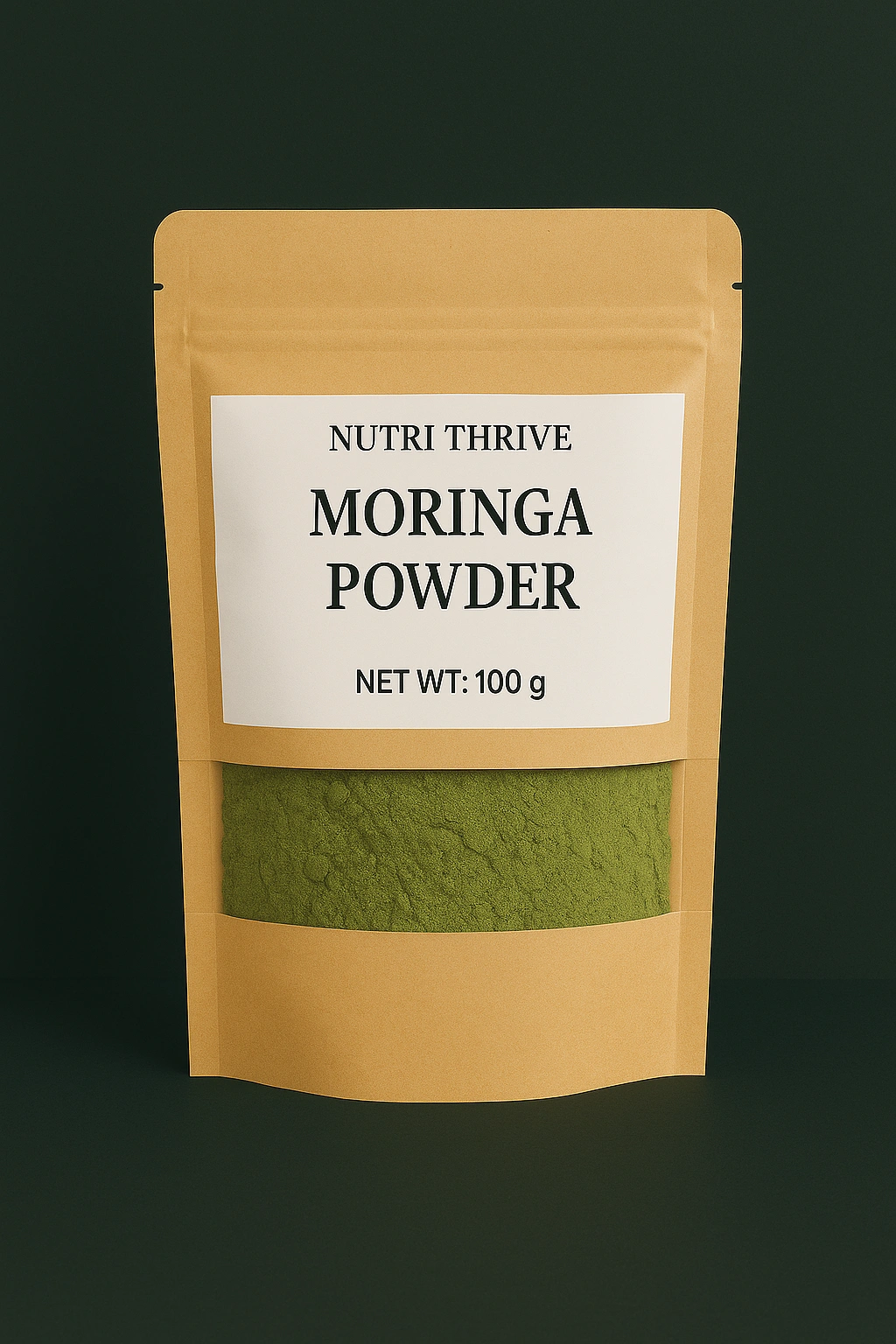
Many Australians now use pure superfoods like moringa powder in smoothies, yogurt bowls and DIY snack recipes as a cleaner alternative to highly processed bars. If you’d like to experiment with your own high‑protein bites and shakes, start with a single, lab‑tested ingredient you control.
Buy Moringa Powder8. Understanding the “Sugar Alcohol” Trap
If you have ever felt bloated or gassy after a “low sugar” bar, sugar alcohols are the likely culprit.
- What they are: sweeteners such as maltitol, sorbitol, xylitol and others that provide sweetness with fewer calories than sugar.
- Why they’re used: they make bars taste like chocolate or caramel while keeping the “sugars” number low on the label.
- The problem: many of them are FODMAPs and ferment in the gut, causing gas, cramping and sometimes a laxative effect, especially in larger doses.
If you have a sensitive stomach or IBS, look for bars that:
- Use stevia, monk fruit or erythritol rather than maltitol-heavy blends
- Keep added fibre sources like inulin or chicory root to modest amounts
- Rely more on whole ingredients (nuts, seeds, oats) rather than long lists of gums and thickeners
9. Quick Recommendations: “Best-Of” by Goal (Brand-Neutral)
Instead of naming individual brands, here’s how to pick the type of bar that fits your goal:
- Best for weight loss: look for bars with 15–20 g protein, at least 6–10 g fibre, and calories in the 150–220 range. Avoid bars where most of the calories come from added sugar or fat.
- Best tasting (dessert replacement): softer bars with chocolate or caramel-style coatings, 15–25 g protein and moderate carbs. These feel like a treat but still support your protein target when you keep them inside your daily calories.
- Best for kids: simple nut or grain-based bars with modest protein (6–10 g), lower overall calories, and minimal caffeine or “sports” ingredients. Think “snack bar with some protein”, not “bodybuilding bar”.
- Best for IBS / gut health: bars that are low in polyols (sugar alcohols), low in inulin/chicory fibre and ideally labelled as low-FODMAP tested or certified.
- Best for hiking & long treks: higher-carb energy bars with a mix of oats, dried fruit and some protein (10–15 g) so you get sustained fuel, not just a spike and crash.
- Best for pure muscle gain: ultra-high protein performance bars (35–45 g protein) after heavy training, assuming your gut tolerates them.
10. Related Guides & Hubs
To go deeper on specific topics, these longer guides on the NutriThrive blog act as “hub” articles:
- Best Protein Powder Australia 2026: Complete Guide – for shakes, smoothies and baking rather than bars.
- Ultimate Weight Loss Products Guide Australia 2026 – including where bars fit inside a broader fat‑loss stack.
- Melbourne Gut Hack Superfood Guide – for people who struggle with bloating and digestion.
- Melbourne Fitness & Gym Guide 2026 – how supplements, including bars, slot into real training programs.
- Natural Energy Boosters Australia 2026 – for days when you need a lift beyond just caffeine.
11. Sources, References & Expert Review (E-E-A-T)
Written by: NutriThrive Research Team · Last updated: March 2026 · Review: Content is checked for accuracy and updated to reflect current Australian product labels and nutrition research. This guide is for general information only and is not medical or dietary advice; always read product labels and consult a health professional when needed.
Selected sources that informed this guide:
- Australian Bureau of Statistics – national nutrition and health surveys (most recent releases covering dietary patterns and snack consumption).
- Peer‑reviewed research on protein intake, appetite regulation and body composition in active adults (journals such as American Journal of Clinical Nutrition and Journal of the International Society of Sports Nutrition).
- Monash University and related FODMAP research teams – publications on polyols, fibre types and IBS symptom triggers.
- Public product labels and nutrition panels from major Australian supermarket and pharmacy chains, reviewed in early 2026.
- Best‑practice SEO and structured data guidelines from Google Search Central for Article, FAQPage, HowTo, BreadcrumbList and Product markup.
Protein & Energy Bars FAQ (Australia 2026)
What is the highest protein bar available in Australia in 2026?
The most concentrated bars on the market provide roughly 40–45 g of protein per bar. They are usually sold as hardcore post-workout options in the sports nutrition section. Check the nutrition panel — if the bar is very small but claims huge protein, expect a dense, heavy texture.
What is the difference between an energy bar and a protein bar?
Energy bars prioritise carbohydrates for endurance and long-duration activity (like hiking or sport), whereas protein bars prioritise protein for muscle repair and satiety. Some hybrid bars try to do both, but most products lean clearly one way or the other.
Are protein bars actually healthy?
They can be. A bar with sensible calories, decent protein, low added sugar and minimal ultra‑processed fillers can be a smart choice when you are travelling or between meetings. Bars that are high in sugar, low in protein and loaded with artificial ingredients are essentially candy in disguise.
Can protein bars replace a full meal?
Occasionally, yes — especially if the bar has 350+ kcal, at least 20 g protein and some fat and fibre. But they still miss the diversity of nutrients you get from real meals, so think of them as a backup plan, not your main way of eating.
Which protein source is the best for muscle growth?
Whey Protein Isolate (WPI) is considered the most efficient for muscle building due to its amino acid profile and rapid absorption. Casein, soy and multi-source plant blends can also support muscle gain as long as your total daily protein is high enough.
What are “net carbs” on bar labels?
Net carbs are calculated as total carbohydrates minus fibre and certain sugar alcohols. This is meant to estimate the amount of carbohydrate that will significantly affect blood sugar. If you monitor carbs for diabetes or keto, it’s still important to read the full ingredients list, not just the marketing claim.
Is collagen a good source of protein for muscle building?
Collagen is useful for joints, tendons and skin but is incomplete for muscle gain. It’s fine as a supplement on top of your normal protein intake, but you shouldn’t rely on collagen-only bars or powders as your main muscle-building protein.
Why do protein bars cause bloating and gas?
Common triggers include sugar alcohols (like maltitol and sorbitol), large amounts of chicory root or inulin, and very high doses of whey concentrate in one sitting. If you notice bloating, try bars that use gentler sweeteners, less fibre loading and a moderate protein dose (15–20 g instead of 40 g).
Which bars are best for a keto diet?
Keto-friendly bars keep net carbs very low, often under 4–5 g per bar, and rely on fat and protein for calories. Look for options sweetened with erythritol, stevia or monk fruit and double-check that maltitol and regular sugar are low on the ingredient list.
Are there any low-FODMAP certified protein bars?
Yes, but they are a minority of the market. Look for recognised low-FODMAP certification logos or Monash-style endorsements on the packaging. For IBS, you can also build your own bar-style snacks at home from low-FODMAP ingredients to stay in full control.
Are protein bars safe for children?
Regular nut and grain bars are commonly used in children’s lunchboxes. Very high-protein “sports nutrition” bars, especially those with added stimulants or fortification, are formulated for adults and teen athletes — not for young kids. When in doubt, keep it simple or ask your paediatrician.
Can I eat protein bars if I am pregnant?
Most bars made from basic wholefood ingredients are fine as occasional snacks during pregnancy, but you should avoid products with added caffeine, herbal stimulants or very high vitamin/mineral doses unless approved by your doctor. Always read the label and check with your healthcare provider if you’re unsure.
Are vegan protein bars as effective as whey bars?
Yes, when they use complete or complementary proteins and you hit your total daily protein needs. The biggest difference is often taste and texture rather than effectiveness. If you’re plant-based, look for bars that combine different plant proteins and provide at least 15–20 g per serve.
Where can I find the cheapest protein bars in bulk?
Bulk retailers, online marketplaces and large pharmacy chains often have the sharpest unit prices, especially on multi-packs and house brands. Watch for catalogue sales and clearance deals — many Australians stock up when their go-to style drops to half-price.
How should I store protein bars during an Australian summer?
Keep them somewhere cool and dry — ideally in a pantry below 25°C or in the fridge if your kitchen gets very hot. Heat can cause coatings to melt, oils to separate and textures to harden, especially in chocolate-coated bars.
Do protein bars expire?
Yes. Over time, fats oxidise and textures change. Bars kept well past their best-before can become rock-hard and lose flavour. Rotate your stash so you eat older bars first and avoid leaving boxes in hot cars or gym bags.
Which protein bar brands are actually Australian-made?
Several companies manufacture bars in Australia, but ownership and manufacturing locations change regularly. The most reliable way to know is to read the “Made in” information and Australian content logo on the rear label rather than relying on front-of-pack marketing.
When is the best time to eat a protein bar?
After training (within about an hour) is ideal for muscle recovery. Between meals, a bar can also smooth out hunger and prevent evening blowouts — just remember to count it towards your total calories.
What is the “microwave hack” everyone talks about?
Many chewy low-sugar bars taste dramatically better when gently warmed. Remove the wrapper, microwave for 10–15 seconds, let it cool slightly, and you’ll often get a soft, bakery-style texture instead of a rubbery chew.
Can eating too many protein bars lead to weight gain?
Absolutely. Bars are dense sources of calories. If you eat two or three per day on top of your normal meals, it’s easy to add 400–800 extra calories without noticing. Use them strategically and make sure they still fit inside your daily energy target.
This article is general information only and is not medical advice. Always read the label and consult a qualified health professional before making major changes to your diet or supplement routine.
NutriThrive