Moringa Capsules vs Powder: Which Is Better? (2026)
Last updated: 20 May 2026
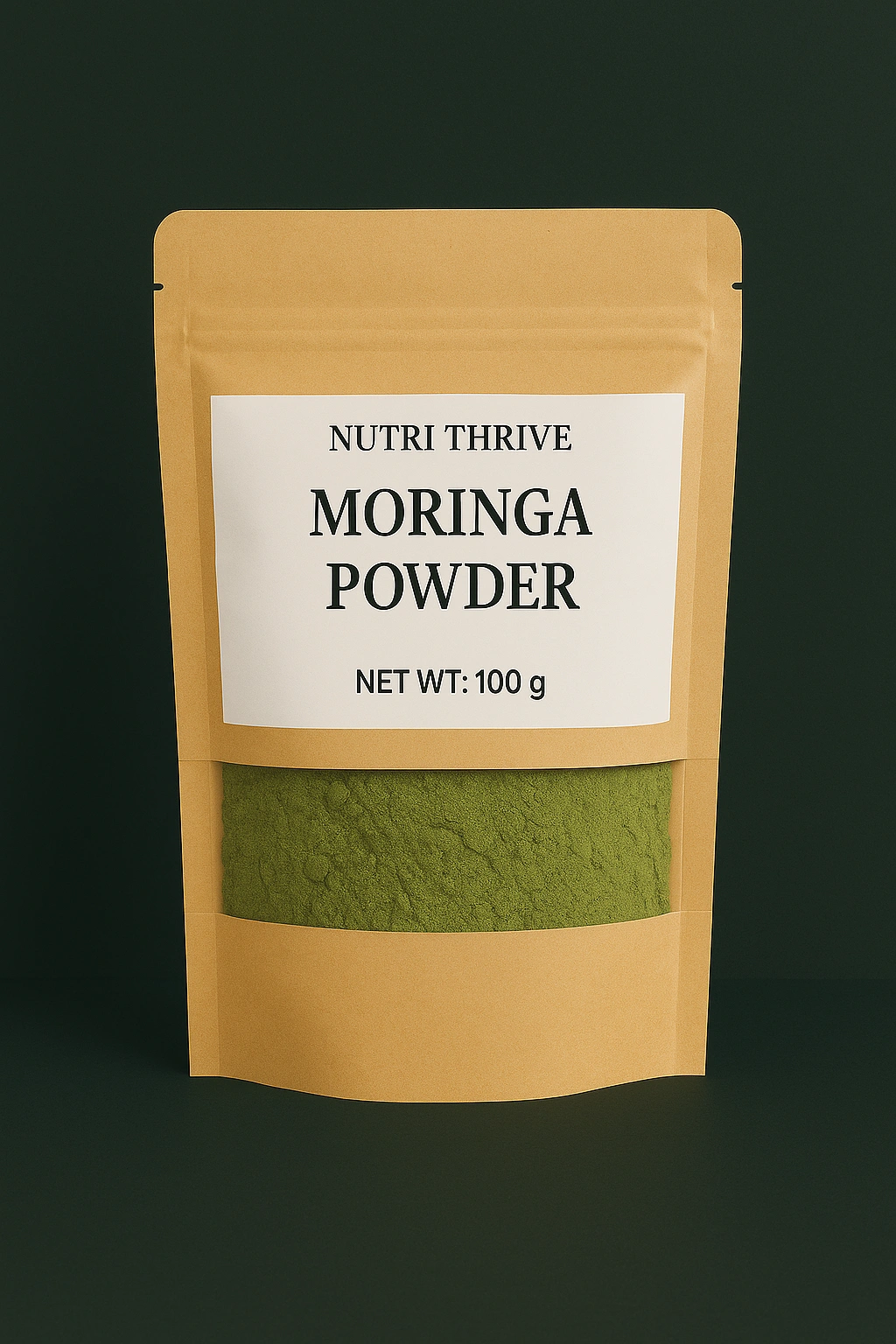
Powder is fresher, more potent, and better value. One teaspoon of moringa powder delivers a full daily dose for roughly $0.35–$0.45. Capsules are convenient for travel but often contain less leaf per serving, cost 2–3× more per effective dose, and hide stale or low-fill products behind a gel cap.
Capsules or powder? It is one of the first questions Australians ask when they start moringa — and the answer depends on what you care about: results per dollar, freshness, or convenience.
This guide compares both formats honestly (no brand bashing by name) so you can pick what fits your life — and understand why most long-term users land on powder.
Moringa powder vs capsules: side-by-side
| Factor | Powder | Capsules |
|---|---|---|
| Typical daily dose | 1 tsp ≈ 2–3 g leaf | 2–6 caps (varies; often 800 mg–1.2 g total) |
| Cost per serving | ~$0.35–$0.45 (at $11/100g) | ~$0.90–$1.50+ |
| Freshness visible? | Yes — colour & smell | No — hidden inside cap |
| Potency control | Easy — measure ½–2 tsp | Fixed per capsule |
| Convenience | Needs mixing | Swallow and go |
| Taste | Earthy (maskable) | None |
| Fillers risk | Lower if 100% leaf listed | Higher — rice flour, blends common |
| Best for | Daily home use, value, families | Travel, taste-sensitive users |
Why powder is better for most people
1. You see what you are buying
Open a bag of quality powder and you should see bright green leaf — not brown dust. Capsules hide colour, smell, and texture. Stale or oxidised moringa can still look fine in a white capsule. Learn to spot freshness: fresh vs old moringa.
2. Better cost per real dose
Most adults want roughly 2–3 g of leaf daily. At NutriThrive's $11 per 100 g, one teaspoon costs about 40 cents. Capsule products often need multiple pills to reach the same leaf weight — and retail capsule pricing commonly works out to $1+ per day.
3. Flexible dosing (especially when you are new)
Start at ½ teaspoon, increase after a week. That is hard with capsules — you are stuck with whatever each pill contains. See dosage guide.
4. Fresher supply chain
Powder from direct brands often ships in foil pouches from small batches. Capsules add encapsulation steps, bottle storage under shop lights, and longer shelf time before you buy.
5. Works in food — not just supplements
Smoothies, yogurt, oats, soups: powder becomes part of a meal. That can reduce nausea vs taking concentrates on an empty stomach — see side effects.
When capsules make sense
Capsules are not wrong — they are just often overpriced for the amount of leaf you get. Choose capsules when:
- Traveling — no mess in a hotel room
- You hate the taste and will not blend powder into food
- Office / gym bag — swallow with water between meetings
- Very sensitive stomach — a tiny capsule dose to test tolerance (then consider powder later)
Even then, check the label: mg of moringa leaf per capsule and how many you need for 2 g. Divide total price by monthly effective doses — not by bottle count.
Cost breakdown (realistic Australia 2026)
Example maths for an adult targeting 2 g leaf daily (about 1 tsp powder):
- Powder at $11/100 g: 50 days per bag → ~$0.22/day at 2 g; ~$0.40/day at 1 tsp (2–3 g) from a fresh 100 g pack
- Typical retail capsules: 60 caps, 500 mg each = 30 g per bottle, often $25–35 → if you need 4 g/day you finish a bottle in a week — $1.20–$2.00+/day
Powder is usually 2–4× cheaper per gram of actual leaf. Over a year that is hundreds of dollars difference for the same plant.
Absorption: is powder absorbed better?
Both formats deliver dried leaf — absorption depends on how much leaf you actually ingest, not the shape. Powder mixed with food may digest more comfortably. Capsules dissolve in the stomach; absorption is fine if the capsule disintegrates properly (quality matters).
The bigger issue is dose: many capsule users unknowingly take less leaf than one teaspoon of powder.
How to take moringa powder without tasting it
If taste is the only reason you are considering capsules, try these first:
- Smoothie — banana + berries mask earthiness completely
- Juice — orange or pineapple juice
- Yogurt — stir into Greek yogurt with honey
- Oats — mix into porridge after cooking
- Capsule hack — buy empty veggie caps and fill with powder yourself (more work, full control)
More ideas: daily use without the bad taste and how to add moringa to your diet.
Same rules for both formats
Whether you choose powder or capsules:
- Demand 100% moringa leaf on the label
- Ask for heavy metal lab results
- Avoid illegal cure claims
- Check colour (powder) or brand transparency (capsules)
How to choose moringa in Australia
Our verdict (2026)
For 80% of Australians: shade-dried powder, 1 tsp daily, from a tested direct supplier.
For the other 20%: capsules for travel or taste — but calculate cost per gram of leaf first.
We sell powder because it is the format that delivers the freshest leaf, the clearest quality signals, and the best value — not because capsules are useless.
FAQ: moringa capsules vs powder
Is moringa powder better than capsules?
For most people, yes — better value, visible freshness, and easier dose control. Capsules win on convenience and taste avoidance.
How many moringa capsules equal one teaspoon of powder?
Depends on capsule size. Often 4–8 retail capsules to match one teaspoon (2–3 g). Read the mg per capsule on the label.
Can I open capsules and use the powder inside?
Yes, if the capsule is pure leaf. You lose convenience but gain dose control. Check for fillers first.
Are moringa capsules a waste of money?
Not always — but many are poor value compared to quality powder. Compare cost per gram of leaf, not per bottle.
Which is best for beginners?
Powder — start with ½ tsp in a smoothie. Easier to adjust if your stomach is sensitive.
Ready to Try Moringa?
Shop our 100% pure moringa powder — lab-tested, shade-dried, packed fresh in Melbourne. Same-day dispatch.
Disclaimer: General information only, not medical advice. Consult your healthcare provider before starting any supplement, especially if pregnant, breastfeeding, or on medication.