 NutriThrive
Moringa Detox Claims: Fact-Checked
Does moringa actually 'detox' your body? An honest look at what the science supports and what's just marketing. Practical Australian guidance from NutriThrive.
Quick Answer
Not in the way the marketing usually implies. Your liver and kidneys handle detoxification continuously: they don't need a special food to activate. What moringa does provide are antioxidants that reduce oxidative stress, and some compounds that support liver cell health in preliminary research. This is a meaningful contribution, but it's different from the 'cleanse' narrative.
"Moringa detox" generates a lot of content online, and most of it uses the word detox in a way that nutrition science doesn’t really support. Here is the plain version, including the one moringa-specific effect that’s actually worth knowing.
What "detox" usually means in wellness content
The wellness use of "detox" typically implies that your body accumulates toxins that need to be periodically flushed out by specific foods, drinks, or cleanses. This framing has a problem: your liver and kidneys are continuously processing and eliminating waste products and foreign compounds. They don’t need to be "activated" by a specific food: they’re already running.
A "moringa detox drink" is just moringa mixed with water. The drink itself doesn’t trigger any cleansing process beyond what your organs are already doing.
What moringa actually does that relates to detoxification
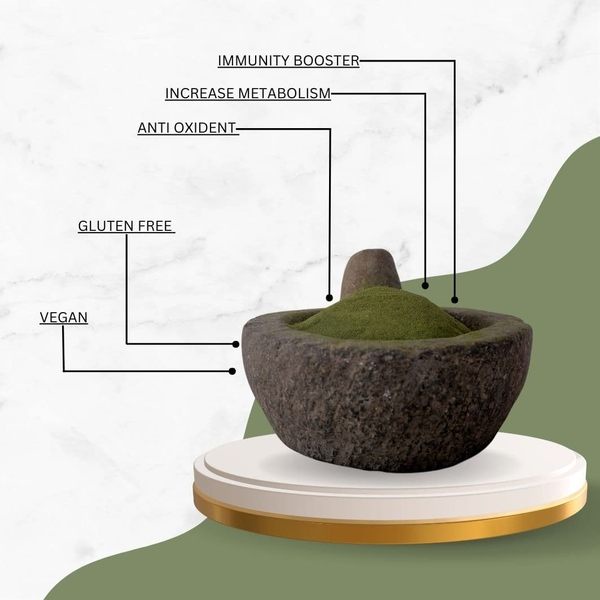
Antioxidant reduction of oxidative stress. Oxidative stress: cellular damage from reactive molecules produced by normal metabolism, UV exposure, pollution, and processed food: is a real phenomenon that a diet rich in antioxidants genuinely helps manage. Moringa’s quercetin and chlorogenic acid content contributes to antioxidant capacity. This is a real benefit; it’s just not a "detox" in the dramatic sense the marketing implies.
Possible liver cell protection. This is the more specific and better-grounded claim. Some animal studies and smaller human studies have found that moringa compounds may have a hepatoprotective effect: protecting liver cells from certain types of oxidative and chemically-induced damage. The research is preliminary (mostly animal models) but the mechanism is plausible: the same antioxidant compounds that reduce oxidative stress generally appear to have some protective effect on liver cells specifically.
This is more meaningful than the vague detox narrative: "may support liver health" is a real, if cautious, claim. "Detoxes your body" is not.
What a moringa drink actually is
A teaspoon of moringa in warm water with lemon is a genuinely nutritious, low-calorie morning habit. The lemon provides vitamin C which improves moringa’s iron absorption. The warm water is pleasant. Calling it a detox drink is misleading; calling it a nutrient-dense morning ritual is accurate.
If you want to support your actual detoxification organs: sleep adequately (the liver does most of its metabolic processing overnight), limit alcohol (the liver’s primary job during heavy drinking is processing ethanol), stay hydrated, and eat a varied plant-rich diet. Moringa is a useful part of that last point, but no single food is the active ingredient in liver health.
FAQ
Does moringa detox the body?
Not in the cleanse sense. Antioxidants that reduce oxidative stress: yes.
Can moringa help the liver?
Preliminary animal and human research suggests possible hepatoprotective properties. More evidence needed.
What is a moringa detox drink?
Moringa in water with lemon: a nutritious drink, not a clinical cleanse.
Written by Neer, Founder, NutriThrive Australia.
Shop Moringa Powder → · Moringa tea recipes →
These statements have not been evaluated by the TGA. Not intended to diagnose, treat, cure, or prevent any disease.
Ready to Try Moringa?
Shop our 100% pure moringa powder: packed fresh in Melbourne. Same-day dispatch.
Update log
- 27 Jun 2026: Article created (staged for weekly publishing).

A practical next step
Moringa Powder
Grown on our farm, shade-dried and manufactured by NutriThrive. Tested in Australia and packed in Truganina. Same-day dispatch before 2pm, Monday to Friday.
$11.00 / 100g