 NutriThrive
Moringa Soap Benefits Australia — $7 Bar vs Skin Hype
Moringa soap benefits for face and skin, stated as a wash: what a Melbourne-made $7 bar actually does, how to patch-test it, and why the bar is not the same product as powder you eat.
Quick Answer
Treat moringa soap as a simple botanical bar cleanser, not a medical treatment. The benefits of moringa soap for skin that people usually want are a straightforward wash with plant oils and leaf in the formula — results vary by skin. It does not treat acne, eczema, or other diagnosed conditions; see a clinician for skin disease. When you want the bar itself, Shop moringa soap ($7).
- Moringa soap benefits = cleanser job: wash, rinse feel, short ingredient story — not drug-like outcomes.
- Acne or eczema searches: soap is not a treatment; mild cleanser framing only, plus patch-test honesty.
- Soap and powder are different SKUs — topical bar vs food ingredient. Do not confuse them.
Moringa soap has become a popular add-on for people who already use moringa powder — or who simply want a bar that is not a plastic bottle of synthetic fragrance. The honest version of the story is quieter than social media: it’s soap with leaf in it. Used well, it cleans without drama. Used as a miracle cure, it disappoints. This guide sticks to cleansing and skin-feel language that stays on the right side of Australian consumer expectations (TGA-safe: we talk about washing and how skin feels after, not treating disease).
Moringa soap benefits — realistic AU framing
When Australians search moringa soap benefits, they usually want a plain answer: what does the bar actually do? At base, soap is fat plus lye after saponification. Cold-process makers mix oils, lye, and water, then cure the bars. Moringa soap includes moringa leaf — often as powder — in that mix. The leaf can add colour, a mild herbal scent, and plant matter to the bar. It does not turn the bar into a serum, a prescription, or a facial drug.
Realistic benefits of moringa soap:
- Everyday cleansing — dirt, sweat, sunscreen residue rinsed off with a plant-forward bar.
- A rinse feel many people find less squeaky-tight than harsh detergent washes, especially when glycerin stays in a cold-process bar.
- A short, readable ingredient story you can check against the label — not front-of-pack buzzwords alone.
Mass-market “beauty bars” are sometimes synthetic detergent cakes rather than traditional soap. Those can clean very well and also feel more stripping for some people, especially in dry Melbourne winters. A short-ingredient cold-process bar sits in a different category. Neither is automatically “toxic” or “pure” — they’re different products. For a side-by-side of bar styles, see moringa soap vs regular soap.
Moringa soap benefits for skin and face
Moringa soap benefits for skin are cleanser benefits. A realistic one is a wash: the bar lifts everyday dirt, sweat, and light sunscreen film, then rinses off. Plant oils in the base change the lather and whether skin feels tight or comfortable afterwards. Moringa leaf in the bar adds colour, a mild herbal note, and plant matter you can see on the ingredient list. It is not a measured facial active, and it does not turn the wash into a serum.
Moringa soap benefits for face are the same job on a smaller area, if you choose to use the bar there. Some people use a gentle bar as a face wash. Others keep a separate facial cleanser. If you try this bar on your face, patch-test first, then start every other day. Keep the lather short. Stop if you get stinging, lasting tightness, or redness that is more than a brief reaction to water temperature. A comfortable rinse is the result to judge. The bar will not fade marks, shrink pores, or replace sunscreen.
What this is not: a treatment for acne, eczema, or any diagnosed skin condition. Those need a GP or dermatologist. A new bar can sit in a simple wash routine. It is not a treatment plan, and it is not a reason to skip care when skin is flaring.
Fragrance is the usual irritant, whether the label says essential oil or “parfum.” If your skin reacts easily, prefer a low-fragrance bar and patch-test. Climate changes the feel too: dry Melbourne or Canberra winters often suit a glycerin-retaining bar plus a bland moisturiser; humid Brisbane summers need a full rinse and a bar that dries between uses. That is ordinary hygiene, not medical advice.
For plain-English INCI decoding, read how to read a soap ingredient label.
$7 bar vs skin hype
Price signals are noisy. A cheap bar can be excellent traditional soap; an expensive bar can be mostly packaging. Judge by ingredients, cure quality, and how your skin feels after a week of normal showers — not by influencer language. “Detox,” “clinically proven glow,” and “cures acne” are red flags on a soap listing.
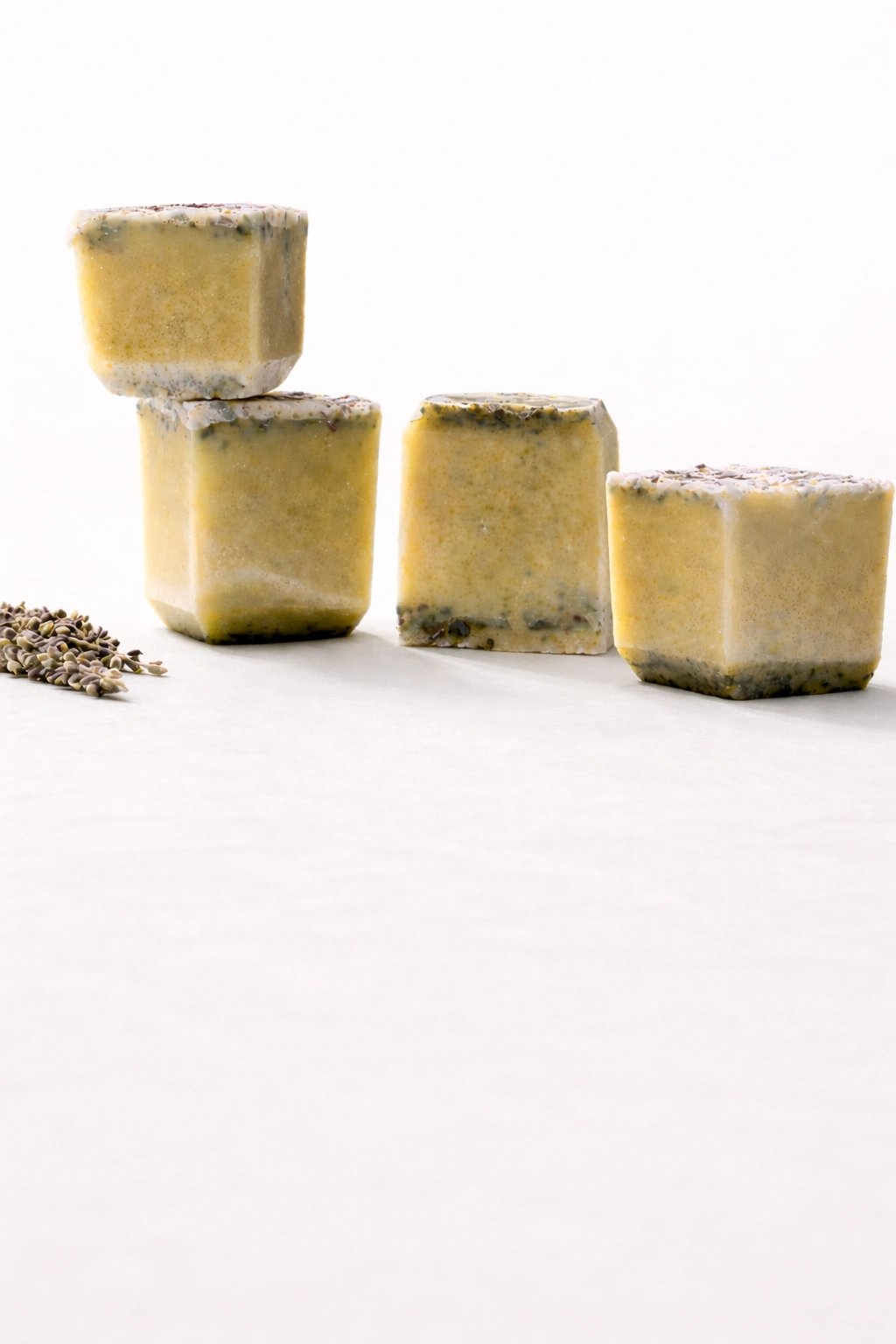
NutriThrive’s handmade cold-process bar is $7 / 95g, packed in Melbourne. That price is intentional: a wash you can buy without the spa markup, not a miracle skin product dressed as a $30 “treatment.” Free AU shipping applies on orders over $79. Want the bar? Shop moringa soap.
Use this checklist before you buy any moringa soap:
- Ingredient list length and clarity — oils/fats or saponified names, water/aqua, glycerin, moringa listed as an ingredient.
- Cold-process / handmade language backed by the list — marketing words are cheap; the INCI list is the evidence.
- Fragrance position — if “Parfum” or a long essential-oil stack sits high and you have sensitive skin, be cautious.
- Bar feel and cure — firm, not sticky; soft sweating bars may be under-cured.
- Packaging and origin — for Australian buyers, local packing dates and clear maker details beat anonymous marketplace stock photos.
How to use · patch-test honesty
Use it like any bar cleanser. The steps stay short on purpose.
- Patch-test first. Lather a small amount on the inner forearm or behind the ear, rinse, and wait a full day before you use it more widely.
- Wash. Wet the skin, work a lather in your hands or on a cloth, wash, and rinse until the slip is gone.
- Face, only if the patch test was calm. Keep the lather brief. Do not scrub. If skin stings or stays red, stop. Use the bar on the body only, or not at all.
- Moisturise if skin feels dry after washing, especially in a Melbourne or Canberra winter.
- Store the bar on a draining dish. A bar left in a puddle goes soft and does not last.
Patch-test honesty: a gentle soap may or may not suit your skin. Fragrance, natural or synthetic, remains a common irritant. Lasting itch, a rash, or swelling is a stop sign. If you have a diagnosed skin condition, check with a clinician before you switch products. Soap is a wash. It is not a treatment for acne or eczema.
Moringa soap vs moringa powder — wash vs eat
These are different products. A search for moringa soap benefits often sits next to powder articles. Do not treat them as the same thing.
- Wash — moringa soap. A topical bar. You lather it and rinse it off. It does not belong in a smoothie. The handmade bar is $7 / 95g. Shop moringa soap.
- Eat — moringa powder. Shade-dried leaf you mix into food or a drink. It is not a face wash, and it is not a skin treatment. If you want the leaf in the kitchen, Shop moringa powder.
Buying both only makes sense when you already wanted both: a bar for the shower and powder for meals. Free AU shipping applies on orders over $79. That is a postage rule, not a reason to add a product you will not use.
Where to buy moringa soap in Australia
You will find moringa soap at some markets, from indie makers, and in online shops. Compare the ingredient list, who made the bar, and the price per gram. The word “moringa” on the wrapper is not enough. A $7 bar with a short list can be a clearer buy than a $25 bar that is mostly fragrance and packaging.
Before you order from anywhere, check four things: the oils or saponified names are actually listed; moringa leaf appears in the ingredient list, not only in the product name; fragrance is visible on the label; and the seller says who made the bar and where it is packed. For Australian buyers, a Melbourne packing address and a readable list beat an anonymous marketplace photo.
NutriThrive handmakes a cold-process moringa soap (95g) and packs it in Truganina, Melbourne for $7. Free shipping on Australian orders over $79 (international free-shipping threshold $90). Same-day dispatch is the aim for orders before 2pm on business days. Shop moringa soap when you want the bar.
Shop moringa soap
Cold-process bar, short ingredient list, packed in Melbourne. $7 / 95g. Free AU shipping at $79.
FAQ
What are moringa soap benefits for skin?
Treat it as a simple botanical bar cleanser, not a medical treatment. Benefits people usually want are a straightforward wash with plant oils/leaf context — results vary by skin. For diagnosed skin conditions, talk to a clinician. Shop moringa soap ($7) when you want the bar.
Is moringa soap good for acne or eczema?
Do not treat soap as a cure or therapy for acne or eczema. Those need appropriate clinical care. A gentle soap may or may not suit your skin — patch test. Soft next step if you still want a simple bar wash: Shop moringa soap.
Soap or powder?
Soap is the topical bar. Powder is the food ingredient. Different jobs. The wash-versus-eat section above links each one. For the bar: Shop moringa soap.
What should I look for on a moringa soap label?
A short, readable ingredient list with saponified oils (or named oils/fats), glycerin retained where possible, and moringa leaf listed as an ingredient — not only as a front-of-pack buzzword. See our soap label guide for plain-English decoding.
Can sensitive skin use moringa soap?
Many people with sensitive skin prefer short ingredient lists and low fragrance. Patch-test a new bar on a small area first. Fragrance — natural or synthetic — remains a common irritant. Soap is not a treatment for skin disease.
Where can I buy moringa soap in Australia?
Handmade bars are sold by small makers and online shops. NutriThrive packs a cold-process moringa soap (95g) from Melbourne for $7, with free shipping over $79 within Australia. Shop moringa soap.
Written by Neer. NutriThrive Australia.
General consumer information, not medical or dermatological advice. If you have a skin condition, check with your GP or dermatologist before switching products. Moringa soap is a cosmetic cleanser, not a medicine. These statements have not been evaluated by the TGA.
Further reading: Shop moringa soap · Shop moringa powder · How to read a soap ingredient label · Moringa soap vs regular soap
Update log
- 30 Sep 2026: Retitled for moringa soap benefits; deepened face and skin cleanser framing, wash versus eat, how to use, and where to buy in Australia.
- 26 Sep 2026: Deepened soap-benefits H2s/FAQ; planted GSC queries; soap-first CTA + soft powder secondary; no disease-cure claims.
- 13 Aug 2026: Article published.

See the bar
Handmade moringa soap from Truganina
A $7 handmade bar made by us in Australia. Cleanser job only — read the ingredient list before you buy.
$7.00 / 95g