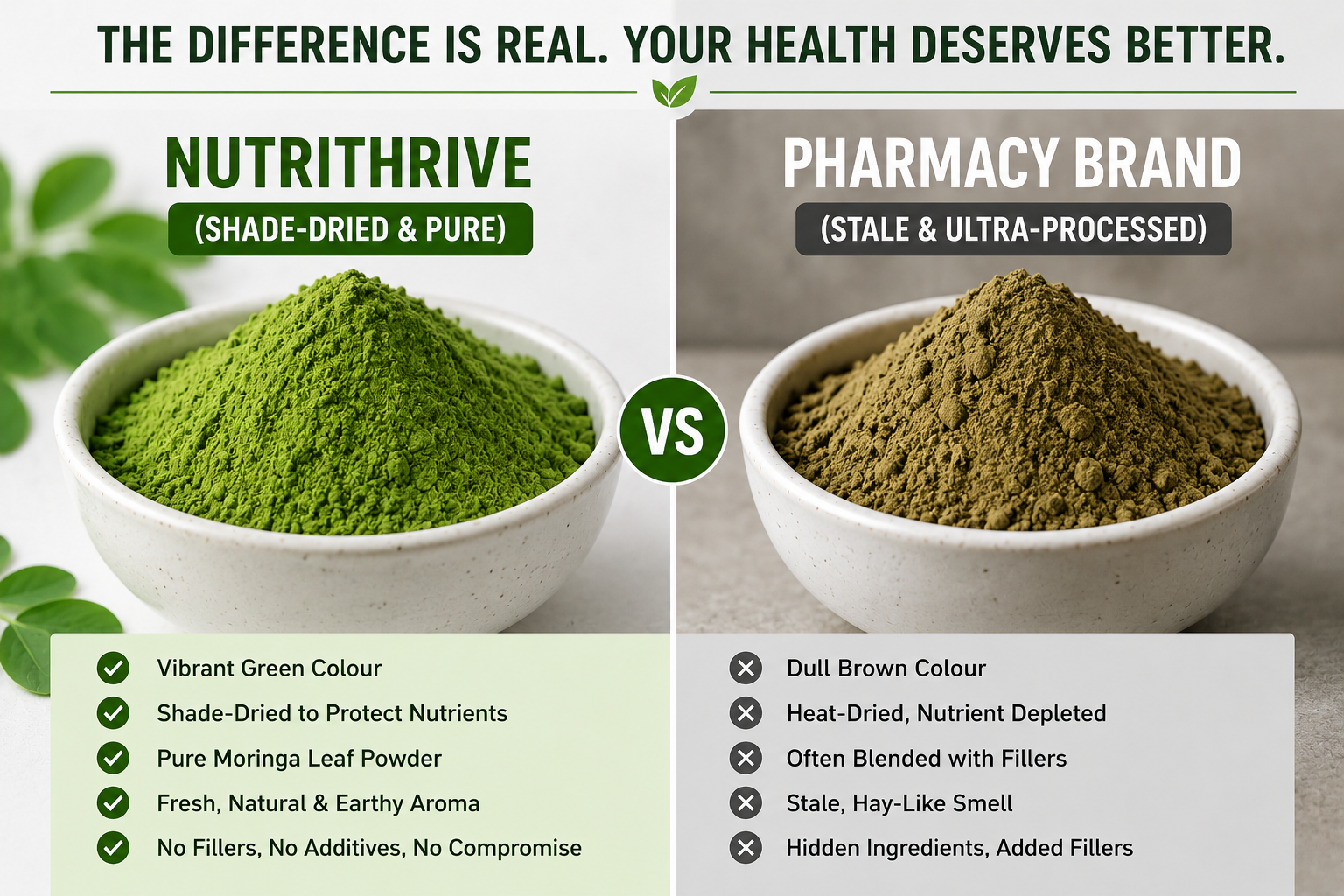
A practical label‑read for 2026: the common fillers, why capsules can hide stale powder, and the simple checks we use in our Truganina warehouse before we trust a “premium” claim.
Table of Contents
In 2026 Australians are reading labels like detectives. “Food as medicine”, single‑ingredient whole foods, and minimalist ingredient lists are winning — partly because people are tired of paying premium prices for powders that taste like chalk and don’t disclose what’s actually inside.
If you’re Googling ultra processed supplements Australia or fillers to avoid, here’s the uncomfortable truth: a lot of “health” products are closer to processed flavour systems than they are to food. And the more layers you add (capsules, blends, “proprietary formulas”), the harder it becomes to judge freshness, purity, or batch traceability.
What “ultra‑processed” means in supplements (without the drama)
Ultra‑processed doesn’t automatically mean “toxic”. It usually means the product relies on industrial ingredients or processing steps that take it further away from a recognisable whole food. In supplement land, that often looks like:
- Multi‑ingredient blends where the main “hero” ingredient is hard to quantify
- Flow agents so powders pour and capsule machines run smoothly
- Sweeteners, flavours, colours to hide bitter or stale base material
- Stabilisers and anti‑caking agents so it survives months in a warehouse
None of those are automatically evil. The problem is when you think you’re buying “pure greens” and you’re actually buying a tiny dose of greens plus a long list of cheap add‑ons — with no batch documentation.
The most common fillers Australians see on labels
Here are the usual suspects you’ll spot on Australian supplement labels. Some are used for legitimate manufacturing reasons — but if your goal is single‑ingredient purity, they’re a signal to slow down and check dose and transparency.
| Label ingredient | Why it’s there | When it’s a red flag |
|---|---|---|
| Magnesium stearate / stearic acid | Lubricant for capsule/tablet manufacturing | Used with vague “proprietary blends” + no batch testing published |
| Silicon dioxide | Anti‑caking agent so powders don’t clump | Long ingredient list + tiny “greens” dose hidden in a blend |
| Maltodextrin / dextrose | Bulking + carriers for flavours | Listed near the top or before the “hero” ingredient |
| Natural flavours / flavourings | Masks bitterness, improves repeat purchase | Used to hide stale base powder; no pack date, no batch reference |
| Sweeteners (stevia, sucralose, etc.) | Palatability | Product marketed as “pure” but tastes like dessert |
The key question isn’t “is this ingredient allowed?” It’s: does this match what I think I’m buying? If you want a whole‑food powder, a 12‑ingredient label is a mismatch.
The 5 checks I’d use before buying any “greens” product in Australia
- Can you see the powder? Capsules and opaque tubs hide colour, smell, and texture.
- Is the dose clear? “Proprietary blend 3,000 mg” tells you nothing about each ingredient.
- Is there a pack/batch reference? Not “best before 2028” — a pack month or batch code you can trace.
- Can you download a test summary? If “lab‑tested” has no document, treat it as marketing.
- Is it one ingredient? If your goal is purity, fewer ingredients wins by default.
If you want a more detailed walk‑through (colour, smell, solubility, and label honesty), start here: Verify moringa quality: the 8‑point checklist.
Pure moringa vs pharmacy capsules: what changes?
We’ve tested retail products side‑by‑side (colour, smell, texture, label clarity). One finding keeps repeating: capsule format hides quality. You don’t see the powder. You don’t smell it. You don’t notice it’s olive‑brown until you open a capsule — and most people never do.
So instead of naming brands (batches change), here’s the category comparison buyers can use anywhere in Australia:
| Feature | Single‑ingredient whole‑leaf powder | Typical pharmacy capsule / blend |
|---|---|---|
| Ingredient transparency | Usually clear (“100% leaf powder”) | Often a blend; dose per ingredient unclear |
| Freshness signals | You can see colour + smell | Hidden inside capsules |
| Fillers | Often none | Common (flow agents, capsules, carriers) |
| Batch traceability | Varies — check for pack date/batch code | Varies — often weak |
| Value per serve | Usually better (grams, not milligrams) | Often expensive per gram equivalent |
If you want the full side‑by‑side method we used, see: Moringa quality test: shade‑dried vs store‑bought.
The GLP‑1 diet “nutrition gap” (food framing only)
We’re seeing more Australians on appetite‑reducing medications (GLP‑1s). When portions shrink, it’s easy to under‑eat basics: protein, fibre, and micronutrients. That doesn’t mean you need a 30‑ingredient supplement stack — it means your food choices need to become more nutrient‑dense.
Whole foods that are easy to add in small amounts (leaf powders, legumes, yoghurt, eggs, fish, leafy greens) are often the most practical. If you’re changing diet while on medication, please check in with your clinician — especially if you have diabetes meds or blood pressure meds.
Simple rule: If you’re eating less, choose foods with more “nutrition per bite”. A single‑ingredient powder you can measure and taste is easier to trust than a mystery blend.
“Fibre maxxing” without wrecking your stomach
Fibre is trending hard — and for good reason. But a lot of people overdo it fast, especially with aggressive fibre products. If you’re sensitive, think slow + steady: increase fibre gradually, drink water, and watch how you feel.
Moringa leaf powder contains natural plant fibre. That doesn’t mean it’s magic or that it “heals your gut” — it means it can be a simple add‑in to smoothies, yoghurt, or soups when you’re trying to eat more plant matter without a massive volume of food.
Practical how‑to: How to add moringa to your diet (without hating it).
Authentic flavour (curry leaves, tea) is the same trust story
Ultra‑processed doesn’t only show up in supplements — it shows up in stale pantry items too. If you’ve ever wondered why supermarket curry leaves taste like nothing, it’s usually age + storage.
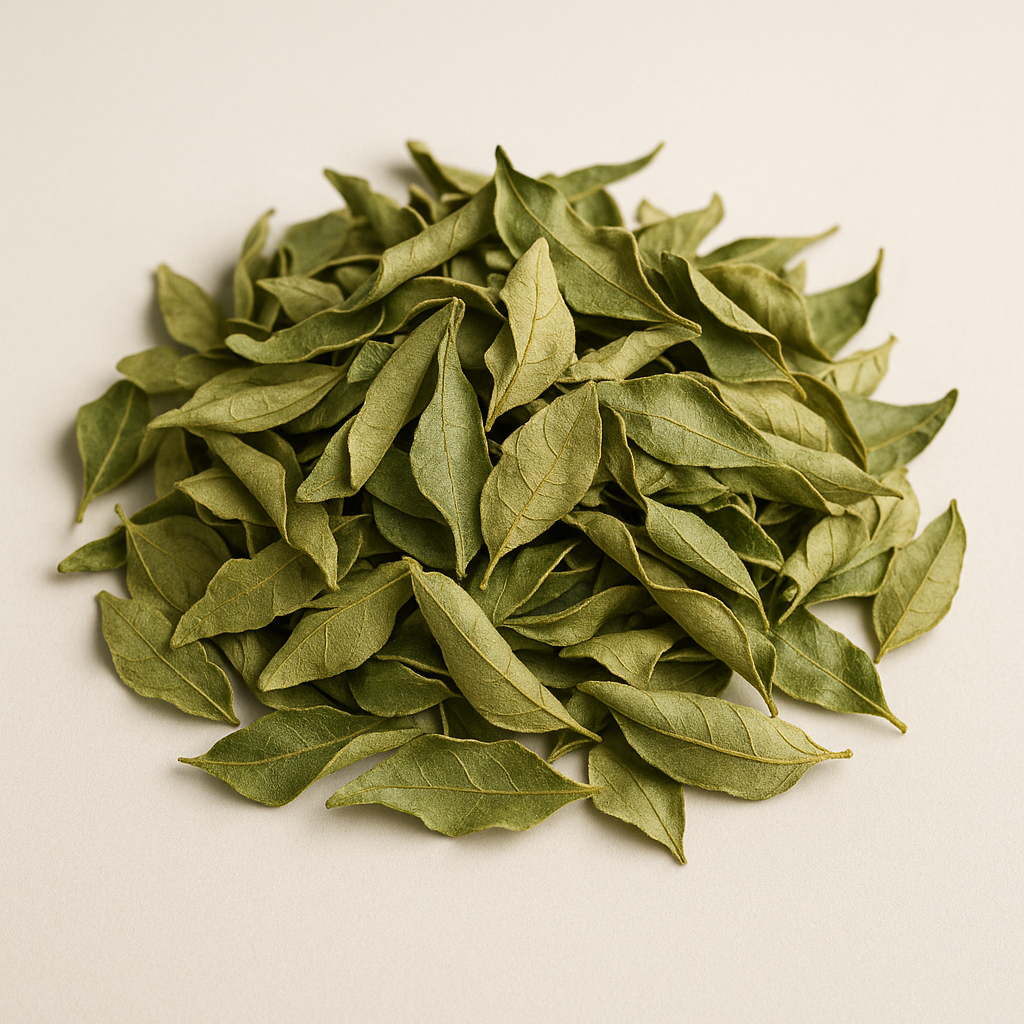
We stock dried curry leaves and black tea because a lot of Australians want real flavour without guessing how long it’s been sitting around.
What NutriThrive sells (simple list)
FAQ
No. Some are used to make tablets/capsules manufacturable. The problem is when “pure greens” marketing doesn’t match a long ingredient list, or when the dose is unclear and there’s no batch transparency.
Ideally: a downloadable document (PDF) tied to a batch or lot reference, with dates and a testing entity. If the brand can’t show you anything beyond a badge, treat it as marketing.
Use bright light and white paper. Fresh, low‑heat leaf powder should look clearly green and smell earthy/grassy. Then check the pack date or batch code. More detail here: How to read moringa batch codes.
Want a simple, single‑ingredient baseline?
If you’re cleaning up your pantry in 2026, start with one product you can measure, smell, and trust. We publish a lab summary and pack in small batches from Truganina.
Shop moringa powder →