 NutriThrive
Clean-Label Training Fuel: Why Australian Athletes Are Choosing Moringa Over Synthetic Stacks (2026)
Australia’s fitness and supplement sector is moving away from high-stimulant, artificial formulas toward clean-label and plant-based options. This piece explains how that shift is playing out, why moringa fits as a whole-food performance ingredient, and how to use it in an Australian training context—with a focus on clarity, evidence, and practical use.
🌿 Pure, lab-tested moringa for training and recovery.
100% natural Moringa & Curry Leaves. Vegan • No additives • Fast AU shipping. Usage guide | Moringa powder
Shop NutriThrive →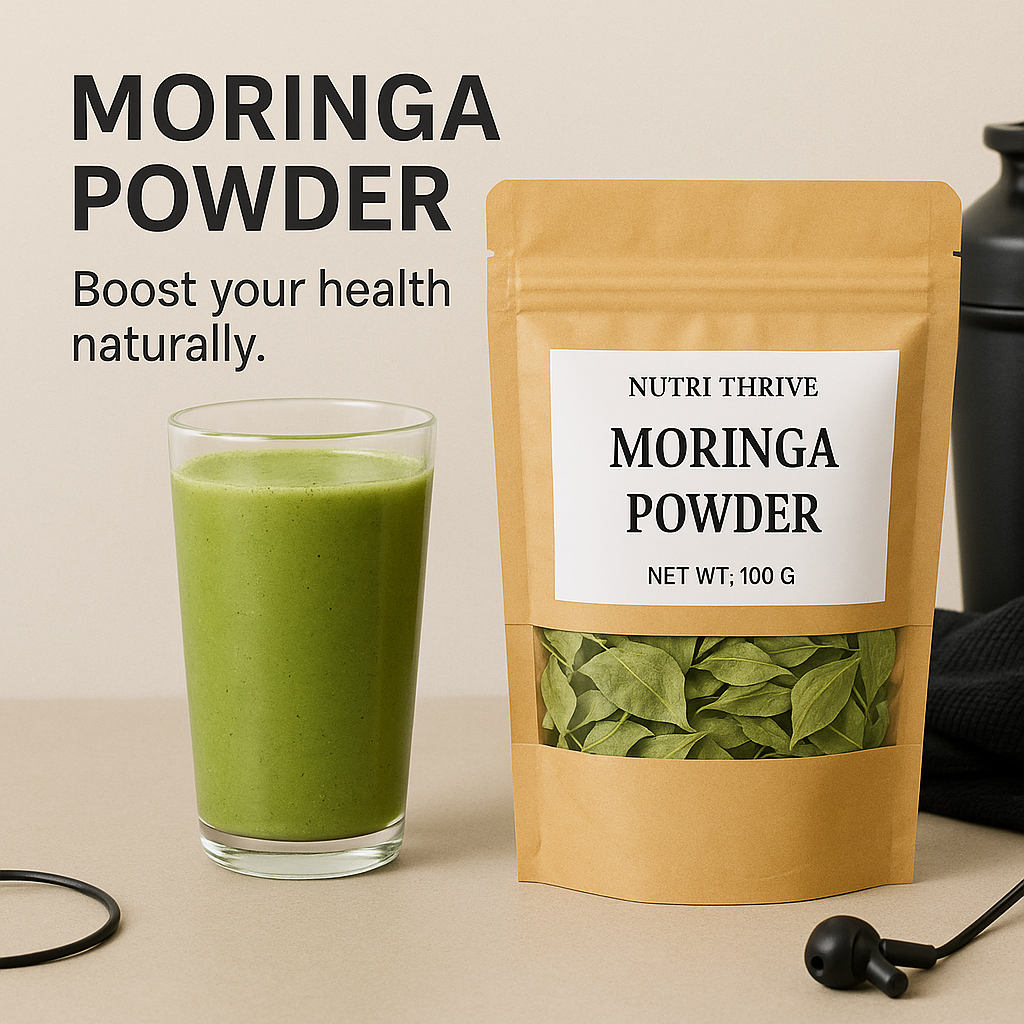
Australian Fitness and the Clean-Label Movement
The local sports nutrition and supplement market has grown steadily into the middle of this decade, with forecasts pointing to continued expansion. What’s changing is not only how much people spend, but what they choose: more Australians are prioritising long-term wellbeing and ingredient transparency over short-term intensity from stimulant-heavy pre-workouts and fat burners.
Reports on online sports supplements have highlighted quality and compliance concerns, which has accelerated interest in products with clear, minimal ingredient lists and evidence of testing. In that environment, moringa oleifera—a nutrient-dense leaf powder—has gained traction as a whole-food option that supports energy, recovery, and daily nutrition without synthetic stimulants.
Demographics are shifting too. Older, active Australians are increasingly focused on staying strong and mobile for as long as possible, while younger city dwellers are embracing mindful movement (e.g. Pilates, functional training) alongside traditional gym work. Both groups are receptive to supplements that support performance and recovery without compromising sleep or nervous system balance.
Industry trend reports consistently rank “fitness for older adults” and “recovery-focused programming” among the top priorities in the Australian landscape. That shift favours ingredients that support joint mobility, cognitive clarity, and sustained energy—rather than one-off intensity hits. At the same time, metropolitan hubs have seen a rise in studio-based training (Pilates, reformer, functional circuits), where participants want fuel that doesn’t leave them wired or bloated. Moringa fits that profile: it’s a food-grade powder with a broad nutrient base and no stimulant load.
If you walk into a typical gym or studio today, you’ll still see plenty of shakers and pre-workout tubs—but you’ll also see more people sipping green smoothies, matcha, or simple water with a scoop of something green. That shift isn’t about giving up performance; it’s about redefining what “performance” means. For many Australians, performance now includes feeling good the next day, sleeping well, and recovering without relying on more stimulants. Clean-label options like moringa support that broader definition.
Why Synthetic Stacks Are Losing Ground
Conventional pre-workouts and similar products often rely on large doses of caffeine and other stimulants to create a sharp spike in alertness. That can help in the short term but may contribute to overstimulation, poor sleep, and a cycle of dependence. Artificial sweeteners and fillers in some protein and performance products can also cause digestive discomfort for sensitive individuals.
When you depend on high-dose stimulants to “get up” for a session, your body can adapt: you need more to feel the same effect, and when the effect wears off, the drop can feel sharper. That cycle can interfere with sleep quality, which in turn affects recovery, mood, and next-day performance. Over time, many people find they’d rather have a steady baseline—energy that comes from nutrition and recovery rather than from a chemical push.
In contrast, whole-food options like moringa provide B vitamins, iron, and other minerals that support the body’s own energy pathways. The result is a more gradual, stable lift in energy and focus—without the same risk of a harsh crash or sleep disruption. For people who train early, late, or on shift work, that steadiness is often more useful than a single strong spike.
That doesn’t mean you have to give up coffee or your favourite pre-workout forever. It does mean that adding a nutrient-dense, non-stimulant option like moringa can help you build a foundation that doesn’t depend on constant stimulation. Plenty of Australian gym-goers and runners now use moringa in the morning or before training as part of a broader routine that includes good sleep, hydration, and whole foods.
Moringa as Whole-Food Performance Nutrition
Moringa powder is notable for its nutrient density. Per 100 g it delivers substantial amounts of iron (far above many common greens), potassium, plant protein, and vitamins such as vitamin A (from beta-carotene) and vitamin C. That profile supports oxygen transport, electrolyte balance, muscle repair, and immune function—all relevant for active Australians.
Iron is especially important for anyone doing regular cardio or endurance work: it’s needed for haemoglobin and oxygen delivery to working muscles. Potassium and magnesium support nerve and muscle function and help maintain fluid balance during long or hot sessions. The plant protein and full set of essential amino acids mean moringa can contribute to daily protein targets and support repair after resistance or high-intensity work—without the digestive load that some people get from large doses of whey or pea isolate alone.
Beyond basic nutrition, moringa contains phytochemicals (e.g. glucosinolates and related compounds) that are studied for their role in inflammation and oxidative stress. Some research in physically active populations has linked moringa supplementation to favourable changes in markers of oxidative damage and recovery. For strength and endurance athletes, the amino acid profile of moringa is also relevant: it provides all nine essential amino acids, including leucine, which is involved in signalling muscle protein synthesis. That makes it a useful plant-based addition to a diet that already includes other protein sources.
Because moringa is a food, it can be used daily—in smoothies, oats, or mixed into post-workout shakes—without the same concerns as high-dose stimulant formulas. Many users report better digestive comfort when they add a small amount of moringa to a protein shake, as the fibre and natural structure of the powder can support digestion compared with highly refined isolates alone.
Regional Training Cultures and Nutrition Choices
Training habits and preferences vary across the country. In NSW, coastal running, surfing, and early-morning sessions are common; nutrition that supports sustained energy and resilience in the sun (e.g. antioxidants, electrolytes) tends to be valued. In Victoria, especially Melbourne, there’s a strong culture of structured gym and studio training, often in the afternoon or evening; here, recovery and sleep-friendly nutrition are priorities. In Queensland, heat and humidity make hydration and minerals like potassium and magnesium especially important for outdoor and functional training. In Western Australia, FIFO and shift workers often need options that support energy and recovery without disrupting sleep.
Moringa fits into each of these contexts: it’s a source of iron and B vitamins for steady energy, potassium and magnesium for electrolyte support, and anti-inflammatory compounds for recovery—all without stimulants that can interfere with rest.
If you train before work in Sydney or Brisbane, a small dose of moringa in a morning smoothie can help sustain you through the session and into the day without a midday crash. If you hit the gym or studio after work in Melbourne or Adelaide, adding moringa to an evening meal or a light recovery drink can support repair without affecting sleep. For shift workers in Perth or regional centres, the same steady-nutrient approach works regardless of when you train—no need to time doses around caffeine half-lives.
Digestive Comfort and Protein Shakes
Many gym-goers rely on protein shakes for convenience. Whey or plant isolates are useful for hitting protein targets, but some people experience gas, bloating, or a heavy feeling after drinking them. Adding a small amount of moringa powder (e.g. half to one teaspoon) to a shake can introduce fibre and natural bulk, which may improve digestive comfort and help the gut process the protein more smoothly. This approach is popular among people who want to keep their current protein source but reduce discomfort—a simple tweak rather than a full product swap.
Why does it help? Protein powders are often highly refined: they’re stripped of fibre and other components that slow digestion and support gut motility. When you drink a big hit of protein with little fibre, it can move through your system quickly or sit heavily, leading to gas or bloating. Moringa adds a small amount of fibre and bulk, which can help the gut handle the protein more comfortably. You’re not replacing your protein—you’re complementing it with a whole-food ingredient that supports digestion.
If you’re considering this, start with a small dose and build up; NutriThrive’s moringa powder is lab-tested and free from additives, so it’s easy to dose to your preference. For full usage ideas, see our how-to-use moringa guide.
Value, Transparency, and Easy Access
Australian shoppers are increasingly comparing cost per serve and checking labels for purity. NutriThrive moringa is sourced from a dedicated family farm, packed in Australia (Truganina, VIC), and shipped locally—so it’s fresh, traceable, and often more affordable per serve than many boutique capsule or blended products. We don’t use fillers or artificial additives; what you see on the label is what you get.
When you buy moringa in a pharmacy or supermarket, you’ll often see a mix of brands: some are pure leaf powder, others are blends or capsules with added ingredients. Reading the label is key. A “moringa” product that lists fillers, sweeteners, or a long list of other herbs may not give you the same straightforward nutrient hit as a single-ingredient powder. NutriThrive’s moringa is 100% moringa oleifera leaf—dried, milled, and packed with no extras. That makes it easy to dose (e.g. half a teaspoon to start) and to add to smoothies, shakes, or drinks without changing the flavour too much.
Fast domestic shipping matters for busy Australians who don’t want to wait on international orders. Coupled with options like Afterpay and a 30-day money-back guarantee, the barrier to trying a clean-label option is low. That’s especially helpful for people moving away from synthetic pre-workouts or looking for a plant-based addition to their current routine.
Lab-tested moringa, delivered from Melbourne.
Pure powder, no fillers. Fast AU shipping • Afterpay available.
Shop Moringa PowderSimple Ways to Use Moringa Daily
You don’t need complex recipes to benefit. Here are three straightforward ideas:
- Morning smoothie: Blend 1 tsp moringa with a frozen banana, a handful of berries, and coconut water or milk for a nutrient-dense start. You can add a scoop of your usual protein if you like; the moringa will add fibre and minerals without overpowering the taste.
- Evening wind-down: Whisk ½ tsp moringa into warm oat or almond milk with a little honey for a calming, nutrient-rich drink that won’t keep you up. Some people add a pinch of cinnamon or turmeric for extra flavour.
- Post-workout: Stir 1 tsp moringa into your usual protein shake to add fibre, minerals, and a gentle green boost. If you’ve had digestive issues with protein shakes alone, this combo often helps—start with half a teaspoon and build up.
Moringa has a mild, earthy taste that blends well with fruit, milk, or chocolate. If you’re new to it, start with half a teaspoon per day and increase gradually so your digestion can adjust. Once you’re used to it, one to two teaspoons per day is a common range for people who train regularly. For more ideas—including savoury uses and baking—see our usage guide and product range.
FAQ: Clean-Label Moringa and Fitness
Does moringa give you energy like caffeine? Moringa doesn’t work like caffeine. It supports energy through nutrients (e.g. iron, B vitamins) that help your body produce and use energy steadily, without the sharp spike and drop of stimulants.
Can moringa help with soreness after training? Its antioxidant and anti-inflammatory compounds may support recovery and ease muscle soreness when used as part of a balanced diet and recovery routine.
Is it safe to take moringa every day? Yes. It’s a food. Start with ½–1 tsp daily and increase as tolerated. If you’re on medication or have a health condition, check with your GP.
Will moringa help with weight management? It can support metabolic and blood sugar balance as part of a healthy diet and activity, but it’s not a standalone weight-loss product.
How soon might I notice a difference? Many people notice better digestion and energy within the first week; longer-term benefits for recovery and immunity often build over several weeks of consistent use.
Can I use moringa with my current protein powder? Yes. Stirring a small amount of moringa into your usual shake is a common approach. It adds fibre, minerals, and phytonutrients and may improve digestive comfort. Start with half a teaspoon and increase as you like.
Is NutriThrive moringa tested? Yes. Our moringa is lab-tested for purity and packed in Australia. We source from a dedicated family farm and ship from our Truganina warehouse so you get a fresh, traceable product. See our moringa product page for details.
Does moringa work for vegans and vegetarians? Yes. Moringa is a plant-based food and fits vegan and vegetarian diets. It’s a useful source of iron, protein, and B vitamins for people who don’t eat animal products—especially for active individuals who need to meet higher protein and iron targets.
Can I take moringa with other supplements? In most cases, yes. Moringa is a food, not a drug, so it doesn’t typically interact with other supplements in the same way that stimulants or concentrated extracts might. If you’re on prescription medication or have a health condition, it’s still wise to check with your GP before adding any new supplement or food in large amounts.
Outlook: Clean-Label and the Future of Aussie Fitness
Over the next few years, the blend of technology and biology in fitness is likely to grow. More Australians are using wearables and apps to track recovery, sleep, and training load. That data-driven approach tends to favour supplements that show up in measurable outcomes—such as better recovery scores or steadier energy—rather than a one-off buzz. Moringa, as a nutrient-dense whole food, fits that trend: it supports the body’s own processes instead of masking fatigue with stimulants.
Interest in intentional rest and recovery is also rising. Training culture is increasingly acknowledging that progress depends on sleep, stress management, and nutrition that doesn’t undermine recovery. Moringa’s role as a source of anti-inflammatory compounds and B vitamins, without stimulants, positions it well for people who want to perform and recover without compromising sleep or nervous system balance.
As the Australian population ages, demand for ingredients that support mobility, clarity, and daily vitality is expected to grow. Moringa’s nutrient profile—iron, calcium, protein, vitamins—makes it a practical option for active older adults who want to maintain strength and energy without turning to stimulants or heavily processed formulas. At the same time, younger consumers in cities are increasingly drawn to “clean” labels and plant-based options; moringa fits that preference as a single-ingredient, vegan, gluten-free powder with no additives.
For NutriThrive, the goal is to stay focused on what matters: purity, testing, and value. By keeping our supply chain short (family farm to Truganina warehouse to you), we can offer a fresh, traceable product at a fair price. Whether you’re a morning runner in Sydney, an evening lifter in Melbourne, or a shift worker in Perth, we want moringa to be an easy, trustworthy part of your routine—no mystery ingredients, no hype, just a nutrient-dense food that supports how you train and recover.
The direction of the Australian fitness market—toward clean labels, plant-based options, and long-term vitality—aligns well with what moringa offers. Brands that emphasise testing, transparency, and value will continue to stand out. NutriThrive is committed to providing exactly that: pure, lab-tested moringa and related products, shipped quickly from Melbourne so you can train and recover with confidence. Whether you’re building your first clean-label routine or deepening one you’ve already started, moringa is a practical, evidence-backed option that fits the way Australians train today. Start small, stay consistent, and let the nutrients do the work—no hype, no crash, just steady support for your body and your goals.
More Moringa Questions Answered
What diseases can be treated with moringa? Moringa is not a medical treatment, but may support conditions like: high blood sugar, high cholesterol, inflammation, malnutrition/anemia (nutritional support).
What does moringa taste like? Moringa tastes earthy, grassy, slightly bitter, like strong green tea or spinach.
Is moringa powder banned in any country? Some countries restrict it — Brazil is known for strong restrictions due to safety-evaluation rules.
Can I grow moringa in Australia? Yes. It grows best in warm/tropical areas (QLD/NT/WA north). In cooler places like Melbourne, grow it in a pot and protect from frost.
Is moringa safe while breastfeeding? Some use it traditionally to support milk supply, but safety data is limited — ask a doctor first.
What medications should not be taken with moringa? Be careful with: diabetes meds (risk low blood sugar), blood pressure meds (risk low BP), thyroid meds like levothyroxine (may affect absorption).
Can moringa affect the thyroid? Possibly — it may interfere with thyroid medication timing (especially levothyroxine).
Can moringa help with bloating? It may help some people by improving digestion, but for others it can cause gas at first.
Can moringa help with anemia? It may help mild anemia (nutritional support), but severe anemia needs medical treatment.
Can I buy moringa at Chemist Warehouse? Yes — usually capsules and some moringa supplement products (often online exclusive). For the freshest, highest-quality moringa powder, consider buying directly from Australian suppliers like NutriThrive who ship from local warehouses.
Can moringa interact with antidepressants? Not strongly proven, but caution is advised with all supplements — consult your pharmacist/doctor.
Is moringa safe for older adults? Yes, usually safe at low doses, but they must monitor if on medications (BP, diabetes).
Is moringa allowed in Australia? Yes, but it's treated as a novel food, so it's often sold as a supplement rather than a regular food product.
How much moringa should a beginner take? Start with ½–1 teaspoon daily (or 1 capsule). Shop premium moringa powder
What happens if you take moringa every day? In moderate amounts it's usually safe and may boost nutrients, energy, digestion, and immunity. Start small (1–2 tsp/day) to avoid stomach upset.
Can moringa help with hair growth? It can support hair health via iron, zinc, amino acids, but won't regrow hair magically.
Can moringa help with inflammation? Yes — moringa contains natural anti-inflammatory plant compounds.
Is moringa safe for kids? Small food-level amounts may be okay, but supplements for kids should be doctor-approved.
❓ Frequently Asked Questions About Moringa
📚 Sources & References
This article is based on scientific research and trusted sources. For more information, consult with a healthcare professional.
- • Moringa oleifera research from peer-reviewed journals and nutritional databases
- • Australian Dietary Guidelines and Food Standards Australia New Zealand (FSANZ)
- • NutriThrive product testing and quality assurance data
Disclaimer: This information is for educational purposes only and is not intended as medical advice. Always consult with a qualified healthcare professional before making changes to your diet or supplement routine.
Stay Updated with NutriThrive
Get the latest health tips, product updates, and exclusive offers delivered to your inbox!