Fresh Moringa Leaves vs Powder: Which Has More Nutrients? (2026)
Last updated: 20 May 2026
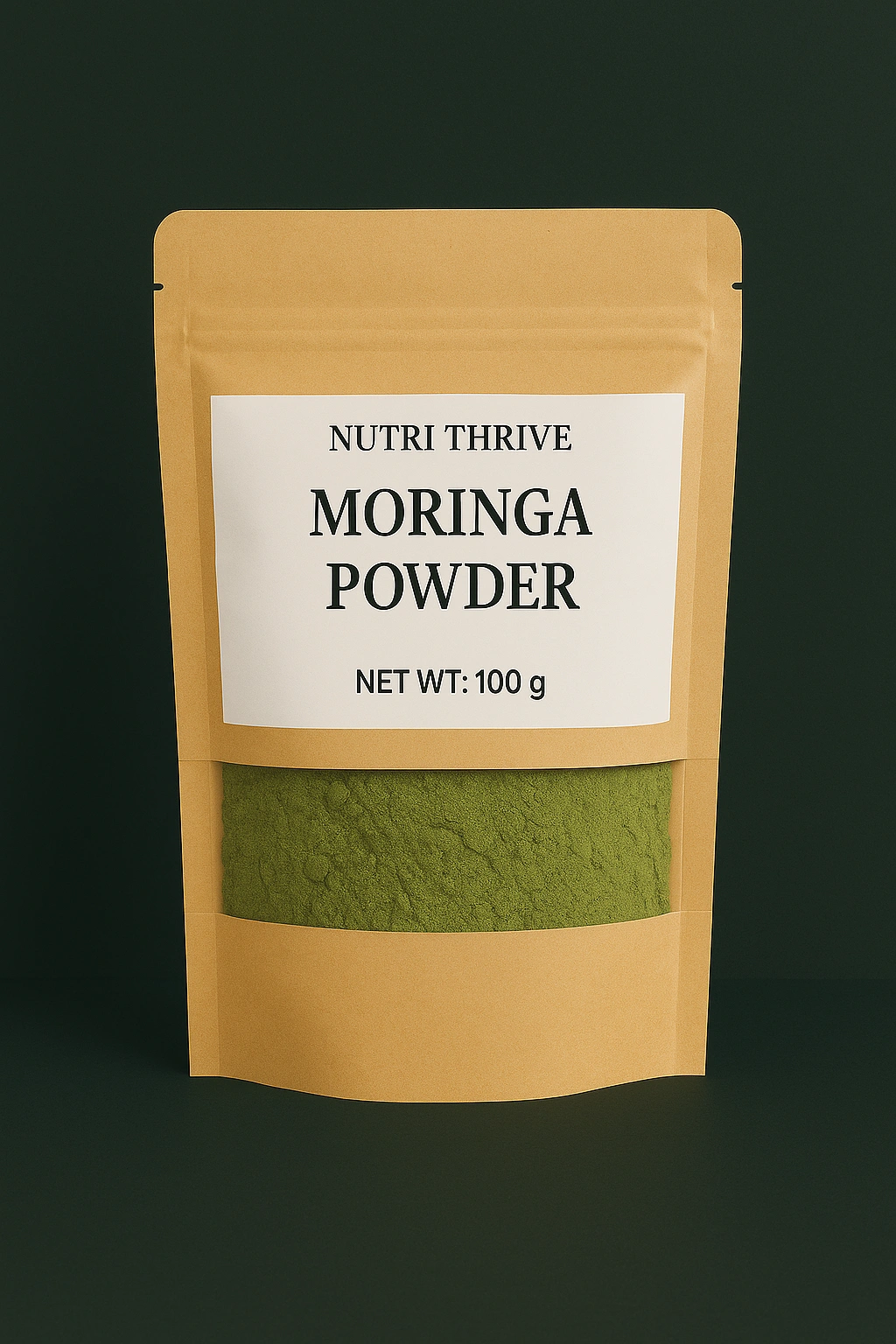
Powder is more concentrated than fresh leaves. Roughly 1 teaspoon (2–3 g) of quality moringa powder ≈ 7–10 fresh leaflets by weight and nutrient density. Powder wins for daily nutrition in Australia because it is available year-round, easy to dose, lab-testable, and shelf-stable. Fresh leaves win when you grow your own in season and want whole-food texture in cooking.
Should you eat fresh moringa leaves or use powder? It is one of the most common questions we hear — especially from customers who see leaves at Indian grocers in Melbourne or who are growing a tree on the patio.
This guide compares moringa leaves vs powder honestly: nutrients per serve, what drying does, taste, cost, and which format fits Australian life.
Fresh moringa leaves vs powder: nutrient comparison
Fresh leaf and dried leaf come from the same plant — but water content changes everything when you compare cup-for-cup. Nutrition data below uses typical published ranges for Moringa oleifera leaf; exact numbers vary by soil, harvest age, and drying method.
| Nutrient (approx.) | Fresh leaves (100 g) | Dried leaf powder (100 g) | 1 tsp powder (~2.5 g) |
|---|---|---|---|
| Water | ~75–80% | ~5–8% | Minimal |
| Protein | ~6–7 g | ~25–30 g | ~0.6–0.8 g |
| Iron | ~0.5–1 mg | ~15–28 mg | ~0.4–0.7 mg |
| Calcium | ~180–200 mg | ~1,500–2,000 mg | ~40–50 mg |
| Vitamin A (as β-carotene) | High (fresh) | Very high (concentrated) | Meaningful daily contribution |
| Vitamin C | Higher when fresh | Lower after drying* | Some remains |
| Antioxidants / polyphenols | Present | Concentrated if shade-dried | Depends on powder quality |
*Vitamin C drops with heat and long sun-drying. Shade-dried powder retains more antioxidants than sun-bleached brown powder. See shade-dried vs sun-dried.
What does "1 tsp powder = 7–10 leaves" mean?
One teaspoon of fine powder is about 2–3 grams of dried leaf. That might come from roughly 20–30 grams of fresh leaf before water is removed — often quoted as a small handful of leaflets (7–10 tender shoots, depending on size). You do not need to eat a salad bowl of fresh leaves to match a normal supplement dose; powder packs the same leaf matter into a spoon.
Why moringa powder is better for most Australians
1. Concentration & consistent dosing
Daily routines need a repeatable dose: ½–2 tsp. Measuring fresh leaf weight at home is messy and inconsistent. Powder lets you follow dosage guides accurately.
2. Available year-round
Fresh leaves appear at some grocers in summer or when your tree peaks — then disappear. Powder works in Melbourne winter, Perth summer, and everywhere between.
3. Shelf life & potency you can check
Fresh leaves wilt in days. Quality powder in a sealed pouch lasts months if stored cool and dark — and you can judge colour and smell before buying. Fresh vs old powder.
4. Lab testing (heavy metals)
Reputable Australian suppliers test dried powder for lead and cadmium — critical for a plant that can absorb soil metals. Random fresh leaves at a market rarely come with batch test data. How to choose moringa powder.
5. Cost per daily serve
A teaspoon from a $11/100 g bag costs about 40 cents. Fresh leaves sold by the bunch vary; matching the same iron and protein daily from fresh leaf alone often costs more time and money unless you grow at scale.
6. Works in real life (smoothies, tea, food)
Powder blends into breakfast in 10 seconds. Fresh leaves need washing, stripping, and cooking — fine for weekend cooking, harder on a Tuesday morning.
When fresh moringa leaves are better
Fresh is not wrong — it is situational:
- You grow your own tree in QLD, NT, or a sunny pot — zero packaging, peak vitamin C, culinary tradition
- You cook South Asian or African dishes that call for whole leaves in curries, dal, or soups
- You prefer whole-food texture over powders — and you eat enough leaf volume consistently
- You have a trusted grocer with same-week harvested leaves (Footscray, Dandenong, etc.)
Even then, many home growers dry surplus leaves at home or keep powder for off-season. Growing guide: how to grow moringa in Australia.
Taste: fresh leaves vs moringa powder
| Format | Taste profile | Best use |
|---|---|---|
| Fresh leaves | Grassy, peppery, like strong rocket or mustard greens | Soups, stir-fries, chutneys — cooked |
| Powder (raw) | Earthy, bitter if plain water | Smoothies, yogurt, masked drinks |
| Powder (tea) | Milder, herbal | Warm cup — moringa tea guide |
Most powder haters are tasting stale brown powder in water. Fresh green powder in a fruit smoothie tastes nothing like that.
How drying affects nutrition
Drying removes water so nutrients concentrate per gram. The method matters:
- Shade-dried, low heat: best antioxidant retention; bright green colour
- Sun-dried too long: vitamin C and chlorophyll drop; brown powder
- High-heat industrial drying: can reduce delicate compounds
Bad powder is not "less fresh leaf" — it is damaged leaf. Good powder can beat wilted week-old fresh leaves from a shelf.
What about capsules?
Capsules are usually dried leaf too — often less per dollar and hidden from view. Compare: moringa capsules vs powder.
Verdict: leaves or powder in 2026?
For daily nutrition across Australia: shade-dried, lab-tested powder — 1 tsp/day, easy dose, year-round.
For gardeners and cooks: fresh leaves when in season — then powder fills the gaps.
For beginners: start with powder in a smoothie; add fresh leaves later if you fall in love with the plant.
FAQ: moringa leaves vs powder
Is fresh moringa better than powder?
Fresh has more water and often more vitamin C when just picked. Powder is more concentrated per gram and easier to use daily. Neither is "better" — it depends on access and routine.
How many fresh moringa leaves equal one teaspoon of powder?
About 7–10 tender leaflets by common estimates, or roughly a small handful — equivalent to 2–3 g dried powder from ~20–30 g fresh leaf before drying.
Can I make powder from fresh leaves at home?
Yes. Wash, shade-dry until crisp, grind in a blender or spice grinder. Hygiene and even drying matter; store airtight away from light.
Does cooking destroy moringa nutrients?
Some vitamin C is lost with heat; minerals and many antioxidants remain. Lightly cooking fresh leaves in curry is still nutritious.
Which has more protein — leaves or powder?
Per 100 g, dried powder has far more protein because water is removed. Per typical daily serve (1 tsp powder), you get a useful plant-protein boost either way versus eating only a few fresh leaves.
Ready to Try Moringa?
Shop our 100% pure moringa powder — lab-tested, shade-dried, packed fresh in Melbourne. Same-day dispatch.
Disclaimer: General information only, not medical advice. Consult your healthcare provider before starting any supplement, especially if pregnant, breastfeeding, or on medication.