 NutriThrive
Grow a Moringa Tree in Australia: Pots & Climate Guide
How to grow a moringa tree in Australia: pot size, germination, winter dormancy and climate tips for Melbourne, Perth, Qld and warmer AU zones.
Quick Start Checklist: Australian Moringa Growing Guide
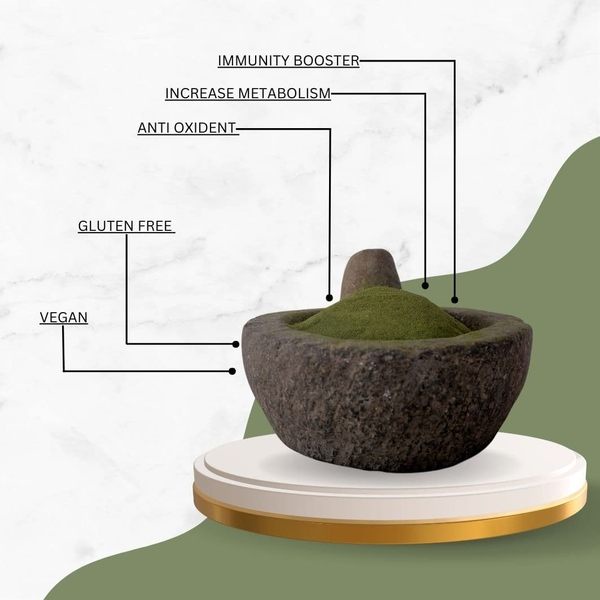
While a seedling is establishing, many gardeners use store-bought shade-dried moringa powder for cooking, live sizes from $11 / 100 g, packed in Truganina.
- Best climates for moringa cultivation: QLD, NT, WA, NSW coast (warm, sunny). Cooler regions can grow in pots.
- Soil requirements: Well-draining, sandy/loamy soil with compost added. Critical for successful moringa growing.
- Planting time: Moringa seeds or seedlings after last frost (spring in southern states, year-round in tropics). See where to buy moringa seedlings Australia.
- Watering schedule: Deeply 2x/week initially, reduce to weekly once established (moringa is drought-tolerant).
- First harvest: 6-8 months for first leaves. Regular harvesting encourages growth.
- Frost protection: Essential in VIC, TAS, SA. Use pots, frost cloth, or move indoors.
🌱 Where to Buy Moringa Seeds & Seedlings in Australia
Before you can grow, you need to source. Here are the main options available to Australian gardeners in 2026:
Online Seed Suppliers (Ship Nationally)
- Happy Valley Seeds. Packets of 15, 75 or 300 seeds. Include a detailed germination guide by Australian climate zone. Note: some WA restrictions apply.
- Seeds N Beyond. Non-GMO moringa oleifera seeds, ships nationally. Seeds are fungicide-treated: do not consume.
- Herbalistics. Moringa oleifera seeds, online nursery.
- The Moringa Shop. PKM-1 and standard varieties plus germination kits with heat mat for cooler climates. Great if you want a moringa tree for sale as seed kits rather than bare seed only.
Seedlings & Potted Plants (Ready to Plant)
- Mudbrick Herb Cottage. Organically grown 50mm tube plants. Ships Mon/Tue via Express Post to QLD, NSW, VIC, SA and ACT only (not WA, NT, or TAS).
- Ladybird Nursery: 140mm pot plants. Fast, well-packaged delivery.
- Fruitopia Nursery: 30cm seedlings ready to plant out.
- Mother Earth Nursery: 140mm pots, available in spring.
- Gumtree / Facebook Marketplace. Local sellers often list moringa plants, cuttings, and seeds. Search your city + "moringa" for pickup options: often the cheapest route for moringa plant for sale Australia listings.
Important: WA & TAS Biosecurity
Western Australia and Tasmania have biosecurity restrictions on certain plant materials. Some suppliers cannot ship seeds or seedlings to WA or TAS: always confirm with the seller before ordering. Check the WA Agriculture biosecurity page for current rules.
Germination Requirements
- Optimal soil temperature: 25 to 30°C (will germinate from 20°C but slowly)
- Germination time: 7 to 21 days (faster when warmer)
- Tip for cooler climates: Use a heat mat set to 27°C until germination. Critical for Melbourne, Adelaide, and Hobart growers starting seeds in spring.
Why Grow a Moringa Tree in Australia?
The moringa tree (Moringa oleifera) is a nutritional powerhouse and perfect for Australian moringa growing. Native to tropical regions, it's well-suited to Australia's diverse climates. With leaves containing 7x more vitamin C than oranges, 3x more iron than spinach, and complete protein with all 9 essential amino acids: see our moringa vs spirulina vs matcha comparison: growing your own moringa means:
- Fresh superfood leaves for smoothies, salads, teas, and curries, with maximum nutrient density
- Cost savings vs. store-bought powder over the long term
- Sustainability: Zero miles from soil to plate, reducing your carbon footprint
- Self-sufficiency: Control over growing methods and harvest timing
- Educational value: Learn about moringa cultivation and superfood growing
- Year-round supply potential in warm climates, or dry and store your own leaf powder for off season use
🌿 Australian Success Story: Moringa cultivation is growing rapidly across Australia, from backyard gardens in Brisbane to pot-grown trees in Melbourne. Many growers dry surplus leaves at home for year-round use.
🥢 Drumstick Tree, Horseradish Tree, Ben Oil Tree. Same Plant
Moringa oleifera goes by many names in Australia. If you've searched for any of these, you've found the right page:
- Drumstick tree: named for its long, slender seed pods that resemble drumsticks; a staple ingredient in Indian and Sri Lankan curries (sambar, dal). Also searched as drumstick tree Australia.
- Horseradish tree, because the root has a similar sharp, pungent flavour to horseradish (note: root use is not recommended for general eating). Often listed as horseradish tree Australia in older garden books.
- Ben oil tree or Benzolive tree: named for the high-quality edible oil pressed from the seeds
- Miracle tree or Tree of Life: common marketing names referencing its nutritional density
- Malunggay: the Filipino name; many Filipino-Australians grow this tree as a food staple (search: malunggay Australia)
In Australian garden centres and nurseries, you'll most often see it labelled as Moringa oleifera, "Drumstick Tree," or simply "Moringa." All the same plant.
Moringa tree benefits: why it is worth growing
💪 Nutritional Powerhouse
- Protein: Moringa leaves contain 9 essential amino acids
- Vitamins: 7x more vitamin C than oranges, 4x more vitamin A than carrots
- Minerals: 3x more iron than spinach, rich in calcium and potassium
- Antioxidants: 46 different antioxidants including quercetin and chlorogenic acid
🌱 Easy to Grow in Australia
- Drought-tolerant: Perfect for Australian climate
- Fast-growing: Can reach 3-5m in first year
- Low maintenance: Minimal watering and care needed
- Pest-resistant: Naturally repels most insects
🍃 Multiple Uses
- Leaves: Fresh in salads, dried for powder, cooked in curries
- Pods: Young pods (drumsticks) are delicious in Indian cuisine
- Flowers: Edible and beautiful in salads
- Seeds: Can be eaten or pressed for oil
🏥 Health Benefits
- Immune support: High vitamin C and antioxidants, and for women-specific iron, hormones and skin context, see our moringa benefits for women guide
- Energy boost: Natural source of iron and B vitamins
- Anti-inflammatory: Contains natural anti-inflammatory compounds
- Blood sugar support: May help regulate glucose levels
Yearly Growing Calendar for Moringa in Australia
| Month | What to Do |
|---|---|
| September to October | Start seeds indoors in southern states. Prepare soil and pots. Prune old wood. |
| November to December | Transplant seedlings outside after last frost. Begin regular watering and feeding. |
| January to February | Peak growth! Water deeply, harvest young leaves, prune for bushiness. |
| March to April | Continue harvesting. Reduce watering as weather cools. Move pots to sheltered spots. |
| May to August | Protect from frost. Move pots indoors or cover. Trees may go dormant and lose leaves; this is normal. |
Tip: In tropical/subtropical regions (QLD, NT, WA), moringa can grow year-round outdoors. In southern states, treat as a summer annual or overwinter in pots.
"I started with one moringa seedling in Melbourne and now have a thriving tree! The leaves are amazing in smoothies."
- Jess, VIC
Step-by-Step: Growing Moringa in Australia
1. Climate & Location for Australian Moringa Growing
Moringa thrives in warm, sunny climates (ideal for QLD, NT, WA, NSW coast). In cooler zones (VIC, TAS, SA): find out more about curry leaves
- Warm climates (QLD, NT, WA): Plant directly in ground year-round. Full sun (6+ hours daily) is essential for smartest moringa cultivation.
- Cooler climates (VIC, TAS, SA): Plant in pots (50L+) and move indoors during winter. Choose north-facing spots with maximum sun exposure.
- Microclimates: Position pots against north-facing brick walls or in sunny courtyards for extra warmth. Avoid frost pockets and low-lying areas.
- Indoor growing: In coldest areas, grow moringa as a houseplant in a sunny window (south-facing in Southern Hemisphere) or heated greenhouse.
2. Soil Preparation & Planting for Moringa Cultivation
Soil Type & Preparation
- Soil type: Well-draining sandy/loamy soil is essential. Moringa hates soggy roots, so drainage is critical.
- Soil mix for pots: 60% quality potting mix, 30% coarse sand or perlite, 10% compost or well-rotted manure.
- Soil pH: Moringa tolerates pH 6.0-8.0, but neutral (7.0) is ideal for Australian moringa growing.
- Drainage: Ensure pots have multiple drainage holes. Add a layer of gravel at the bottom for extra drainage.
Seed Germination & Planting
- Seed preparation: Soak moringa oleifera seeds in warm water for 12-24 hours before planting. This speeds up germination significantly.
- Planting depth: Plant seeds 2cm deep in soil. Don't plant too deep or germination will be delayed.
- Germination time: Seeds typically germinate in 1-2 weeks at 20-30°C. Keep soil moist but not waterlogged.
- Seedling spacing: Space trees 3-4m apart in-ground, or use 50L+ pots for individual trees.
- Transplanting: Wait until seedlings are 15-20cm tall before transplanting. Handle roots gently as moringa has sensitive root systems.
Alternative: Growing from Cuttings
Moringa cutting vs seed: cuttings are usually faster to establish, while seeds are easier to source Australia-wide. Moringa can also be propagated from cuttings, which is faster than seeds:
- Take 30-50cm cuttings from healthy branches (1-2cm diameter)
- Remove lower leaves, leaving top 2-3 pairs
- Plant in well-draining soil, keep moist until roots develop (2-3 weeks)
- This method preserves specific varieties and is popular for Australian moringa growing
3. Watering & Care for Moringa Trees
Watering Schedule
- Initial stage (first 3 months): Water deeply 2-3 times per week. Keep soil consistently moist but not waterlogged.
- Established trees (3+ months): Water deeply 1-2 times per week. Moringa is drought-tolerant once established.
- Winter care: Reduce watering significantly in cooler months. Let soil dry slightly between waterings to prevent root rot.
- Signs of overwatering: Yellow leaves, drooping, root rot. If you see these, reduce watering frequency immediately.
- Signs of underwatering: Wilting leaves, slow growth. Increase watering frequency but maintain good drainage.
Pruning & Maintenance
- Pruning for bushiness: Prune main stem at 1-1.5m height to encourage side branches and more leaves.
- Regular harvesting: Harvest leaves regularly from the top 30cm to promote new growth. Moringa responds excellently to frequent harvesting.
- Dead wood removal: Remove dead or damaged branches promptly to maintain tree health.
- Size control: For pot-grown moringa, regular pruning keeps trees manageable and encourages leaf production.
Fertilizing
- No fertilizers needed: Moringa fixes nitrogen naturally and generally doesn't require additional fertilizers.
- Compost addition: Add compost or well-rotted manure in spring for extra nutrients, especially for pot-grown trees.
- Organic matter: Mulch around the base with organic matter to retain moisture and add nutrients gradually.
🌿 Fertilising Moringa Trees in Australia
Moringa is drought-tolerant and can survive in poor soil, but if you want maximum leaf production, fertilising correctly makes a real difference.
Basic Rule: Less Is More at First
Young moringa (under 12 months) does NOT need heavy feeding. Overfeeding nitrogen in the first year causes tall, lanky growth that snaps in wind. Focus on soil structure and drainage first.
What to Use
- Compost: The safest and best option for all stages. Add a generous layer of compost around the base (not touching the stem) in spring. Available from any Bunnings or garden centre.
- Controlled-release fertiliser (e.g. Osmocote): Apply once in late winter and once in late summer for established trees. Follow label rates.
- Liquid fertiliser: From spring through late summer, a fortnightly application of liquid seaweed or fish emulsion boosts leaf production without burning roots.
- Avoid: Heavy nitrogen-only fertilisers (e.g. urea, ammonium sulfate), these produce leafy growth that is soft and pest-prone.
Fertilising Schedule by Season
| Season | Action |
|---|---|
| Spring (Sep to Nov) | Apply compost + controlled-release fertiliser when new shoots appear |
| Summer (Dec to Feb) | Liquid seaweed fortnightly; deep water once per week |
| Autumn (Mar to May) | Reduce feeding as growth slows; compost mulch around base |
| Winter (Jun to Aug) | No fertiliser; minimal water; let tree rest |
Tip: Pot-grown moringa needs more frequent feeding than in-ground trees, as nutrients leach out with each watering. Use a slow-release pellet every 6 months as a base, topped up with liquid feeds in summer. This is the practical answer to searches for moringa fertilizer Australia.
4. Harvesting Your Moringa Superfood
When to Harvest
- First harvest: Typically 6-8 months after planting, when tree reaches 1-1.5m height.
- Best time of day: Harvest in early morning when leaves are freshest and nutrient-dense.
- Harvest frequency: You can harvest leaves every 2-4 weeks once established. Regular harvesting encourages new growth.
- Seasonal considerations: In warm climates, harvest year-round. In cooler areas, harvest during growing season (spring-autumn).
What to Harvest
- Young leaves: Pick tender, young leaves (top 30cm) for highest nutrient density and best taste.
- Pods (drumsticks): Harvest young pods when they're 15-30cm long for culinary use in curries.
- Flowers: Edible and beautiful, add to salads for extra nutrition.
- Avoid: Don't harvest more than 30% of leaves at once to maintain tree health.
Making Moringa Powder
- Drying method: Wash leaves thoroughly, then dry using a dehydrator at 40°C (low heat preserves nutrients) or air-dry in shade.
- Grinding: Once crispy dry, grind to fine powder using a blender or spice grinder.
- Storage: Store in airtight container away from light, heat, and moisture. Use within 12 months for best quality.
🌻 Moringa Companion Planting in Australian Gardens
Moringa's deep taproot, nitrogen-fixing properties, and natural insect-repelling compounds make it a useful companion in food gardens and permaculture systems. Looking for moringa companion plants? Start here.
Good Companions for Moringa
- Turmeric & ginger. Thrive in the dappled shade moringa provides; they share similar water needs and soil preferences.
- Curry leaf tree. Another tropical food tree that benefits from similar conditions; can be planted 2 to 3m from moringa. (NutriThrive also sells dried curry leaves if you can't grow them yet.)
- Sweet potato. Ground cover beneath moringa; benefits from the nitrogen-rich leaf drop.
- Lemongrass. Forms a protective windbreak ring around moringa and shares drought tolerance.
- Banana. In tropical/subtropical zones, banana and moringa planted together create a productive food guild.
Avoid Planting Moringa Near
- Heavy feeders like corn or pumpkin (compete for nutrients in poor soil)
- Shallow-rooted plants directly under the canopy (moringa root systems are competitive)
- Moisture-loving plants in the same pot (moringa needs to dry out between waterings)
In permaculture systems, moringa is often used as a "chop and drop" mulch tree, trimming branches and leaving them on the soil surface as a nutrient-rich mulch. The leaves decompose quickly and return nitrogen to the soil.
Troubleshooting Common Moringa Growing Issues
| Problem | Cause | Solution |
|---|---|---|
| Yellow leaves | Overwatering, poor drainage, or nutrient deficiency | Reduce watering frequency, improve drainage, add compost. Check soil isn't waterlogged. |
| Slow growth | Insufficient sunlight, cold temperatures, or poor soil | Move to sunnier spot (6+ hours sun), ensure temperatures above 15°C, improve soil with compost. |
| Pests (aphids, caterpillars) | Natural occurrence, though moringa is pest-resistant | Spray neem oil solution (organic), remove by hand, or use natural predators. Moringa's compounds usually repel pests. |
| Leaf drop in winter | Normal dormancy or frost damage | Protect from cold drafts, move pots indoors, use frost cloth. Don't panic; moringa often regrows from base in spring. |
| Root rot | Overwatering or poor drainage | Improve drainage immediately, reduce watering, ensure pots have drainage holes. May need to repot with fresh, well-draining soil. |
| Wilting despite watering | Root damage, transplant shock, or disease | Check roots for damage, ensure proper transplanting technique, avoid disturbing roots unnecessarily. Provide shade during recovery. |
| No flowers/pods | Tree too young or insufficient maturity | Moringa typically flowers after 8-12 months. Ensure adequate sunlight and nutrients. Some varieties flower earlier than others. |
| Brittle branches | Lack of water or extreme temperatures | Increase watering gradually, provide shade during extreme heat, mulch around base to retain moisture. |
💡 Remember: Most moringa growing issues are related to watering or drainage. When in doubt, check soil moisture and ensure good drainage.
Real Grower Stories: Moringa in Australia
"I started with one moringa seedling in Melbourne and now have a thriving tree! The leaves are amazing in smoothies and curries. My tip: use a big pot and bring it inside in winter."
- Jess, VIC
"In Brisbane, my moringa tree grows like crazy. I prune it every month and share leaves with my neighbours. It survived the drought with just a deep soak once a week."
- Mark, QLD
"I thought moringa wouldn't survive in Adelaide, but with a north-facing wall and some frost cloth, it's now 2m tall! Don't overwater in winter."
- Priya, SA
"I grow moringa in a greenhouse in Tasmania. It drops leaves in winter but always comes back. The flowers are beautiful!"
- Tom, TAS
Have a story or tip? Share your moringa experience with us!
While Your Tree Grows (8 to 12 Months)
Home growing takes patience. If you want moringa leaf in your diet before your first harvest, shade-dried powder is a practical stopgap. We pack and lab test ours in Melbourne; see our how to choose moringa powder guide or moringa powder if that fits your timeline.
Quick Reference Table: Growing Moringa in Australia
| Factor | Best Practice |
|---|---|
| Climate | Warm, frost-free; pots for southern/cool areas |
| Soil | Well-draining, sandy/loamy, add compost |
| Watering | Deeply 2x/week, less in winter |
| Fertilizer | Not needed; compost in spring |
| Pests | Rare; aphids (use neem oil), root rot (avoid overwatering) |
| Frost | Move pots indoors, use frost cloth, mulch heavily |
| Harvest | 6-8 months after planting; pick young leaves |
| Legal | Legal in all states; check for seed import rules |
Growing the tree is optional, most people just use the powder. See what moringa powder tastes like and how to add moringa to your diet.
FAQs About Growing Moringa in Australia

While your tree grows
Use farm-grown moringa leaf powder
A moringa tree takes time to establish. Our powder is grown on our farm, shade-dried and packed in Truganina.
$11.00 / 100g