How to Choose a Good Face Wash for Your Skin Type
By Neer, NutriThrive Truganina · Last updated: 23 Aug 2026
Quick Answer
The right face wash depends on your skin type, not the highest-rated product online. Oily/acne-prone skin generally does better with salicylic acid or a foaming cleanser; dry or sensitive skin does better with a gentle, low-foam, fragrance-light formula. Bar soap — including natural options — can work well for normal to combination skin, but isn't usually the first choice for very sensitive or acne-prone skin, since most bar soaps sit at a higher pH than dedicated facial cleansers.
- Match cleanser type to skin type — oily, dry, sensitive, and combination skin need different formulas.
- Salicylic acid helps many oily/acne-prone users but is not for everyone; start low and slow.
- Bar soap can work for normal/combination skin; dedicated low-pH cleansers are usually safer for sensitive or active acne.
- Pharmacy brands (CeraVe, Cetaphil, La Roche-Posay) dominate Australian search — compare ingredients, not hype.
Australians are searching hard for face wash right now — "best face wash", salicylic acid cleansers, sensitive-skin formulas, and whether bar soap belongs on your face at all. This guide answers those queries directly, without pretending one product works for everyone.
General skincare information, not medical advice. Persistent acne, rashes, or suspected fungal skin issues need a GP or dermatologist.
Face Wash by Skin Type
This is the highest-volume question cluster in Australian search data. Here is what to look for in plain terms.
Oily skin
Look for: gel or foaming cleansers, oil-control language, and optionally salicylic acid (BHA) at 0.5–2%. These help cut through excess sebum and keep pores clearer.
Avoid overdoing it: stripping oily skin with harsh surfactants often triggers more oil production. If your skin feels tight after every wash, step down to something gentler.
Where Australians shop: Chemist Warehouse, Priceline, and Woolworths all stock mainstream options (Neutrogena, Garnier, CeraVe). Compare the active ingredients, not just the front label.
Dry skin
Look for: cream or lotion cleansers, "hydrating" or "gentle" on the label, low foam, and fragrance-free if you react easily. Ingredients like glycerin and ceramides support barrier comfort.
Avoid: high-foam gels with strong sulfates and alcohol-heavy formulas that leave skin squeaky.
Sensitive skin
Look for: short ingredient lists, "fragrance-free", patch-test friendly formulas. Rising search interest (+70% for "sensitive face wash") reflects real demand — many mainstream products still use heavy fragrance.
Patch-test: apply a small amount along the jawline for 48 hours before full-face use.
Ingredients to watch: see sensitive-skin ingredients FAQ below.
Combination skin
This is the hardest to generalise — oily T-zone, normal or dry cheeks is common. Honest approach:
- Use a moderate gel or gentle foam overall, or
- Use a lighter wash on the full face and a salicylic cleanser only on the oily zones, or
- Try a single gentle cream cleanser if your cheeks feel tight with foaming products.
There is no one "combination skin" magic label — experiment with one variable at a time.
| Skin type | Best format | Helpful actives | Watch out for |
|---|---|---|---|
| Oily / acne-prone | Gel, foaming wash | Salicylic acid, niacinamide | Over-stripping, fragrance if reactive |
| Dry | Cream, milk cleanser | Glycerin, ceramides | SLS, high alcohol, heavy foam |
| Sensitive | Fragrance-free gel or cream | Minimal actives at first | Parfum, essential oils, acids until tolerated |
| Combination | Gentle gel or zone-specific routine | Light BHA on T-zone only (optional) | One harsh product on the whole face |
What Is Salicylic Acid — and Do You Actually Need It?
Salicylic acid is a beta-hydroxy acid (BHA). It is oil-soluble, so it can penetrate into pores and help loosen dead skin cells and sebum — which is why it appears in so many "acne face wash" and "oily skin" products.
Who it tends to suit: oily, congested, or mild acne-prone skin looking for a rinse-off exfoliating step.
Who should be cautious:
- Very dry, eczema-prone, or rosacea-prone skin
- People already using prescription retinoids or strong leave-on acids (risk of irritation)
- Anyone who stings or flakes after the first week — reduce frequency or switch formulas
Salicylic acid face wash is a major trending term in Australia (+50% interest). It is useful — but it is not a default for every skin type. If you do not have oil or congestion issues, you probably do not need it.
Is Bar Soap Bad for Your Face?
This is the question natural-soap and "vegan face wash" searchers are really asking — and it deserves a straight answer.
The pH issue: Healthy skin sits around pH 4.5–5.5 (slightly acidic). Most traditional bar soap is more alkaline. Used on the face daily, that can disrupt the acid mantle for some people — leading to dryness, irritation, or worsened sensitivity.
But it is not universal: plenty of people with normal to combination skin use natural bar soap on their face without problems, especially if the bar retains glycerin (cold-process soap) and skips harsh synthetic fragrance.
Body wash on the face? Usually a bad idea — stronger surfactants and fragrance levels than facial products. See FAQ below.
Where a natural bar (like moringa soap) fits — honestly
If you are curious about a vegan, short-ingredient bar instead of a liquid face wash, a handmade cold-process bar can be a reasonable option for normal or combination skin — not a replacement for medicated salicylic acid cleansers if you have active acne.
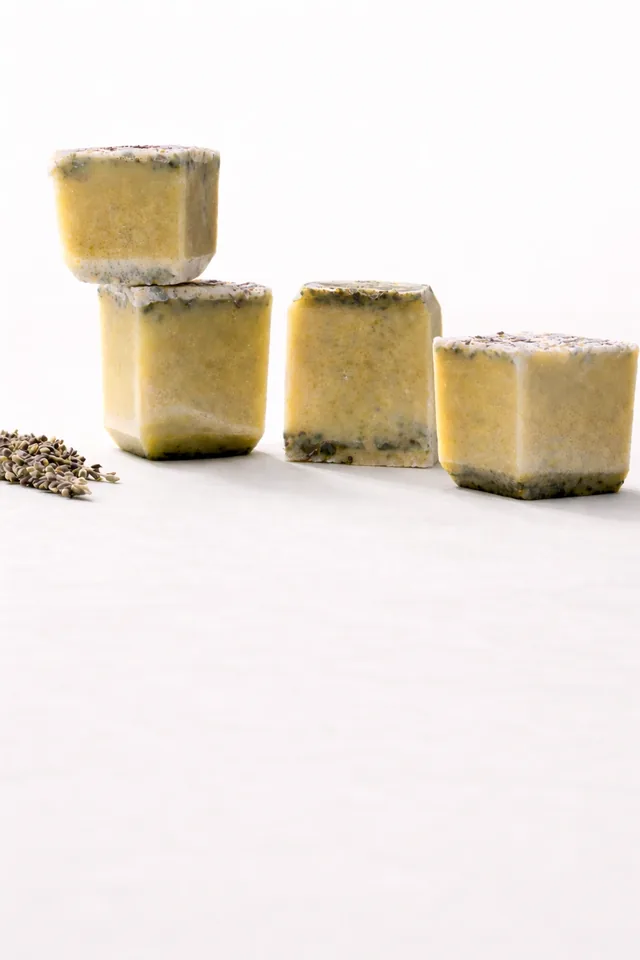
NutriThrive moringa soap (full disclosure: we make this): 95g cold-process bar with moringa leaf in the recipe, no parabens or synthetic fragrance, vegan and cruelty-free. We use it on body daily; some customers use it on the face — but if you have known sensitivity or active breakouts, patch-test first or stick with a dedicated facial cleanser.
It is a cleanse-and-rinse product, not a treatment. Do not expect salicylic-acid-level pore action from a natural bar.
See moringa soap ingredients and details → · How to read a soap label → · Moringa soap vs regular soap →
Buying Face Wash in Australia (Chemist Warehouse, Priceline, Woolworths)
Brand searches (CeraVe, La Roche-Posay, Cetaphil, Neutrogena) dominate — Australians compare pharmacy lines before buying. Practical tips:
- Flip to the ingredient list; ignore front-of-pack "dermatologist tested" without context.
- Travel-size / mini face wash is fine for trips — buy the same formula you already tolerate.
- Korean face wash interest is rising (+30%) — often gentle, low-pH gel formulas; still check fragrance and actives.
- Vitamin C face wash exists but leave-on vitamin C serums usually deliver more consistent results; don't chase the keyword alone.
Quick Answers (FAQ)
What's the difference between a face wash and a cleanser?
In everyday use the terms overlap. 'Face wash' usually means a rinse-off product that foams or lathers. 'Cleanser' is broader and can include cream, gel, oil, or micellar formulas. What matters is texture, pH, and whether it matches your skin type — not the word on the label.
Do you need a different face wash for morning and night?
Not necessarily. Many people use one gentle cleanser twice daily. If you wear sunscreen or makeup, a second cleanse at night (or an oil-based cleanser first) can help. Morning is often fine with a lighter wash or even just water if your skin is dry or sensitive.
Is bar soap bad for your face?
It can be for some people. Most traditional bar soap is alkaline (higher pH than skin's natural ~4.5–5.5), which may disrupt the barrier with daily facial use — especially on sensitive or acne-prone skin. Many people with normal or combination skin use natural bars successfully; patch-test if unsure.
What is salicylic acid and who should use it?
Salicylic acid is a beta-hydroxy acid (BHA) that exfoliates inside pores and helps with oily, congested, or acne-prone skin. It's often found at 0.5–2% in face washes. Use caution if you have very dry, eczema-prone, or easily irritated skin, or if you're already using strong retinoids — start slowly.
Can you use body wash on your face?
Generally no. Body washes often have stronger surfactants, higher fragrance load, and a pH less suited to facial skin. They can strip or irritate the face even if they feel fine on your body. Use a product formulated for facial skin instead.
How do you know if a face wash is too harsh?
Signs include tight, squeaky skin right after rinsing, stinging, increased redness, new breakouts, or flaking. A good cleanser should leave skin clean but comfortable — not stripped.
What ingredients should sensitive skin avoid in a face wash?
Common triggers include synthetic fragrance ('Parfum'), strong sulfates (SLS in some gels), high alcohol content, and heavy essential-oil blends. Look for short ingredient lists, 'fragrance-free' labelling, and patch-test new products on your jawline for 48 hours.
What is antifungal face wash?
Antifungal face washes contain medicated ingredients (such as ketoconazole or zinc pyrithione) used for specific conditions like seborrheic dermatitis or fungal acne — they are not general-purpose cleansers. If you suspect a fungal or persistent skin issue, see a GP or dermatologist rather than self-diagnosing from search trends.
Are vegan face washes better for your skin?
Vegan means no animal-derived ingredients — it's an ethics/formulation choice, not automatically a skin-type benefit. Many vegan formulas are excellent; check whether they're also fragrance-free and suited to your skin type.
What about travel-size or mini face wash?
Travel-size tubes are fine for short trips — choose the same formula you already tolerate at home. Decanting into unlabelled containers makes it harder to track ingredients if you react.
Written by Neer. NutriThrive Australia.
General consumer information, not medical or dermatological advice. For persistent acne, eczema, or suspected fungal skin conditions, see your GP or dermatologist.
Curious about a natural bar option?
If you want a short-ingredient, vegan bar for face or body — not a salicylic-acid replacement — see our handmade moringa soap. Packed in Melbourne from $7.
Update log
- 23 Aug 2026: Article published.