Moringa Side Effects: What Happens If You Take Too Much? (2026)
Last updated: 20 May 2026
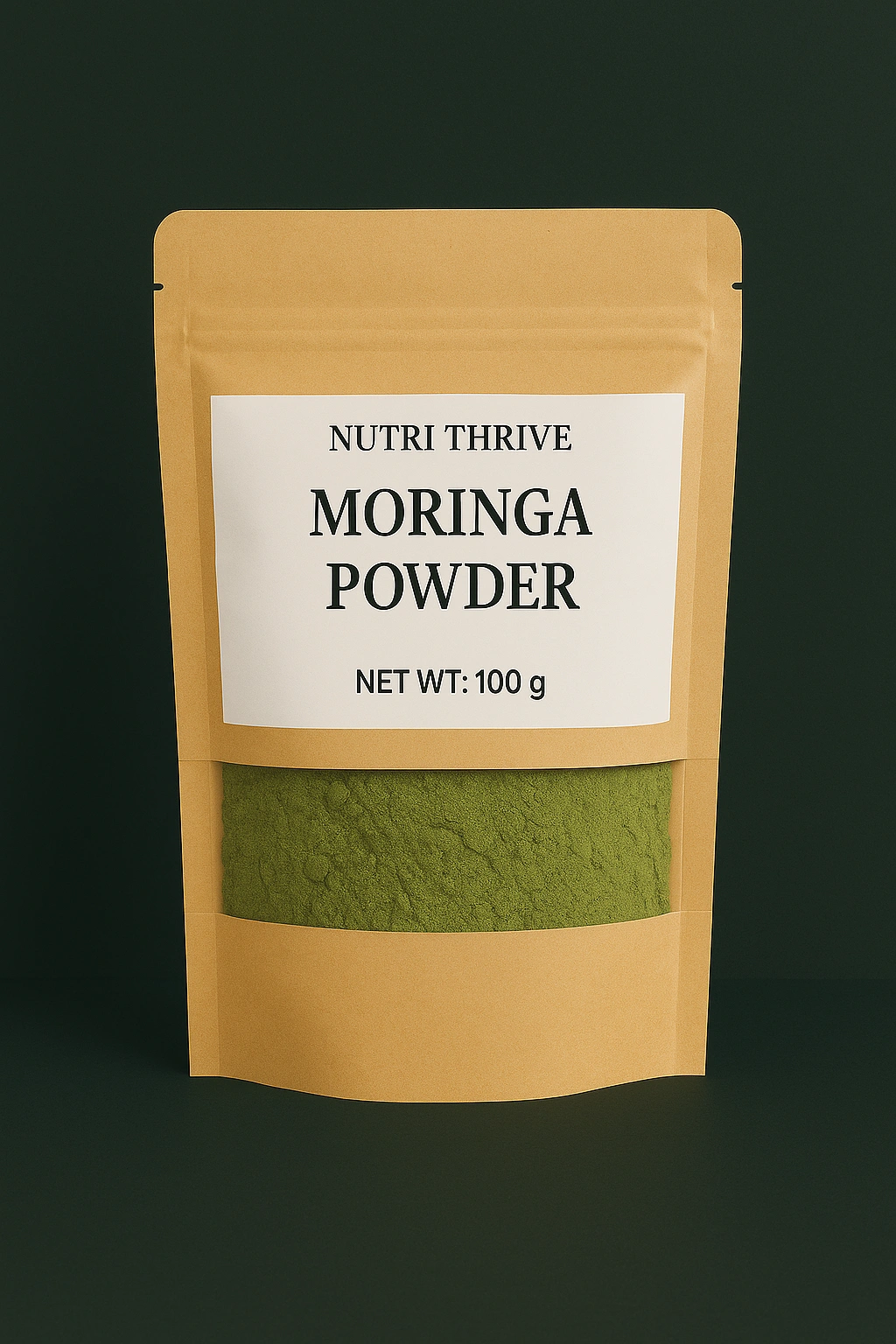
Most people tolerate moringa powder well. The most common side effects are mild digestive upset, nausea, or loose stools — usually when you start with too much too fast or take it on an empty stomach. These are not typically serious. Reduce your dose, take with food, and build up slowly. See a doctor if you are pregnant, on blood thinners, or on diabetes medication.
Moringa gets marketed as a gentle superfood — and for most Australians, it is. But search interest for “moringa side effects” and “can moringa be harmful” has spiked for a reason: some people do react, especially when dose, quality, or medical context is wrong.
This guide covers what can go wrong, what is normal, what is not, and how to use moringa powder safely in Australia — without scare tactics or fake “ban” rumours. For legality, see is moringa banned in Australia?
5 common side effects of moringa powder
1. Digestive upset (stomach cramps, bloating)
Why it happens: Moringa leaf powder is fibre-rich. A full teaspoon on day one can surprise a gut that is not used to extra plant bulk.
What it feels like: Mild cramps, bloating, or a heavy stomach — often within a few hours of your first larger dose.
What to do: Drop to ½ teaspoon, take with a meal, and increase over two weeks. See our dosage guide.
2. Nausea
Why it happens: Taking moringa on an empty stomach, or using stale/bitter powder, is the usual trigger.
What to do: Mix into smoothie, yogurt, or juice with food. If nausea persists, stop for a few days and retry at a lower dose with a fresher batch — see fresh vs old moringa signs.
3. Loose stools or diarrhoea
Why it happens: Too much fibre too fast, or doses above what your body has adapted to (often above 2–3 teaspoons suddenly).
What to do: Halve your dose, hydrate, take with food. Do not “push through” with a higher dose hoping benefits increase — they usually do not.
4. Headache (uncommon)
Why it happens: Rare; sometimes reported with large doses on an empty stomach or when dehydrated.
What to do: Lower dose, drink water, take with breakfast. If headaches continue, stop and ask your GP.
5. Trouble sleeping / feeling wired (uncommon)
Why it happens: Moringa is caffeine-free, but some people feel mildly energised. A late-evening dose can keep sensitive sleepers alert.
What to do: Move moringa to morning or lunch only. For energy without caffeine, compare with moringa and caffeine.
Are moringa side effects serious?
For most healthy adults: no. The effects above are usually mild and reversible when you adjust dose or timing.
Seek medical advice promptly if you have:
- Severe or persistent vomiting or diarrhoea
- Signs of allergic reaction (hives, swelling, difficulty breathing)
- Symptoms that started after a new batch and feel unlike past use (possible contamination — rare with tested brands)
- Any concern while pregnant, breastfeeding, or on prescription medication
Serious harm from food-grade moringa leaf powder at normal doses is very rare in published human research. Problems more often come from dose mistakes, poor-quality untested powder, or using root/bark products not meant for daily food use.
Who should avoid moringa (or talk to a doctor first)
Pregnant women
Moringa leaf powder in small food amounts is traditionally used in many cultures, but high doses and especially root or bark are not recommended in pregnancy. Always check with your obstetrician before starting any supplement.
Breastfeeding women
Some cultures use moringa to support milk supply; evidence is mixed. Start with a tiny amount only after professional advice. More in our moringa benefits for women guide.
People on blood thinners (e.g. warfarin)
Moringa contains vitamin K, which plays a role in clotting. If you are on warfarin or similar drugs, your INR can be affected by large or sudden changes in vitamin K intake. Do not start moringa without your doctor's input.
People on diabetes medication
Moringa may lower blood sugar in some studies. If you take insulin or oral hypoglycaemics, adding moringa without monitoring could increase hypoglycaemia risk. Work with your GP or endocrinologist.
Thyroid conditions or thyroid medication
High intakes of cruciferous-type plants can affect thyroid function in susceptible people. If you have hypothyroidism or take levothyroxine, ask your doctor before regular high-dose use.
Children
Food amounts in family meals may be fine; concentrated supplement doses should be discussed with a paediatrician. Use lower doses than adults — see the age table in our dosage article.
How to avoid moringa side effects
- Start low: ½ teaspoon daily for week 1
- Take with food — not on an empty stomach
- Increase slowly — 1 tsp week 2, then 1–2 tsp if tolerated
- Buy tested powder — heavy metals and microbes matter; stale powder tastes worse and upsets more stomachs. Use our buyer guide
- Stay hydrated — especially if you notice looser stools
- Morning dosing — if sleep is sensitive
- Stop if needed — you can pause and retry later at a lower dose
Is moringa toxic?
No — moringa leaf powder is not toxic at normal food and supplement doses. It has been consumed as food for centuries and is recognised as a safe food source by bodies such as the WHO in appropriate contexts.
What people confuse with “toxicity”:
- Root and bark — different chemistry; not what you get in standard leaf powder
- Contamination — lead or bacteria from poor sourcing (why lab testing matters)
- Illegal cure claims — does not mean the plant is banned; see moringa legal status in Australia
- Overdose symptoms — digestive upset from too much too fast, not poisoning
What safety research says
Human and animal studies on Moringa oleifera leaf have generally reported good tolerability at moderate doses. Examples often cited in reviews:
- Short-term human studies using several grams per day without serious adverse events in studied groups
- Traditional food use across Africa and Asia at household doses
- Safety reviews noting that adverse effects at typical intakes are usually mild gastrointestinal symptoms
Research quality varies; moringa is not a drug with one fixed prescription dose. That is why starting small and using tested products is the practical Australian approach.
For evidence vs marketing hype, read is moringa legit?
Powder vs capsules: any difference in side effects?
Same leaf, same rules. Capsules can hide dose (you might take more or less leaf than you think). Powder is easier to titrate slowly. Compare in powder vs capsules.
Can bad moringa cause worse side effects?
Yes. Stale, oxidised, or contaminated powder can taste harsh and upset your stomach even at a normal dose. Signs of poor quality:
- Brown or dull colour instead of green
- Musty smell
- No batch code or lab documentation
Check fresh vs old moringa and quality checklist.
FAQ: moringa side effects
Can moringa hurt your kidneys or liver?
At normal food doses in healthy people, serious kidney or liver harm is not well documented. If you have existing kidney or liver disease, ask your specialist before any supplement.
Can you take moringa every day without side effects?
Many people do, at 1–2 teaspoons daily, once adapted. Consistency at a moderate dose beats sporadic mega-doses.
Does moringa interact with medications?
Possible interactions with blood thinners, diabetes drugs, and thyroid medication. Always disclose supplements to your doctor or pharmacist.
Should I stop moringa if I get diarrhoea?
Pause, hydrate, restart at ¼–½ teaspoon with food after symptoms clear. If diarrhoea is severe or lasts more than 48 hours, see a doctor.
Are moringa side effects worse for women?
Women are not more likely to get side effects, but hormone-related goals (periods, pregnancy) mean extra caution. See moringa for women for benefits and safety context.
Ready to Try Moringa?
Shop our 100% pure moringa powder — lab-tested, shade-dried, packed fresh in Melbourne. Same-day dispatch.
Disclaimer: General information only, not medical advice. Consult your healthcare provider before starting any supplement, especially if pregnant, breastfeeding, or on medication.