 NutriThrive
How Much Caffeine in Darjeeling Tea vs Coffee (Australia)
How much caffeine is really in Darjeeling tea compared to coffee and green tea? The direct mg comparison, explained simply.
Quick Answer
A standard cup of Darjeeling black tea contains roughly 14-70mg of caffeine, with most cups falling around 40-50mg. This is lower than most Assam or English Breakfast teas, and substantially less than a cup of coffee at 95-200mg.
5 min read · Tea Guide
Straightforward question that deserves a straightforward answer: a typical cup of Darjeeling lands around 40-50mg caffeine, versus roughly 95-200mg for coffee and 20-45mg for green tea. For the full breakdown and what shifts the dose, read on, or see Darjeeling tea health benefits for the wider research picture.
The numbers
A standard 8oz cup of Darjeeling black tea contains roughly 14 to 70mg of caffeine, with most cups landing around 40 to 50mg depending on brewing variables. That wide range reflects real variation between flushes, brewing time, and how much leaf you use.
For comparison:
| Drink | Caffeine per cup |
|---|---|
| Espresso (single shot) | 60 to 100mg |
| Drip coffee | 95 to 200mg |
| Assam / English Breakfast tea | 40 to 70mg |
| Darjeeling black (second flush) | 40 to 60mg |
| Darjeeling black (first flush) | 14 to 50mg |
| Standard green tea | 24 to 40mg |
| Darjeeling green tea | 20 to 45mg |
Darjeeling sits meaningfully below coffee and roughly in line with or slightly above regular green tea, depending on which flush you're drinking.
Why Darjeeling tends to be lower than other black teas
All tea comes from the same plant, Camellia sinensis, but altitude, climate, and processing all affect the final caffeine content. Darjeeling's high-altitude growing conditions (600 to 2,000 metres) and cooler temperatures produce slower leaf growth. Peer-reviewed research comparing tea gardens at different altitudes supports this pattern: lower-altitude gardens generally show higher caffeine content than higher-altitude ones, which is consistent with why a strong builder's cup of Assam (grown near river plains) and a delicate first flush Darjeeling taste and behave so differently.
First flush Darjeeling, the early spring harvest, tends to sit at the lower end of that 14 to 70mg range because the young spring leaves are more delicate. Second flush, picked a few months later, tends to be fuller-bodied and slightly higher in caffeine, though still lower than most Assam blends. For more on flush differences, see our Darjeeling first flush vs second flush guide.
What you can actually control
Brewing time is your biggest lever. Caffeine extracts quickly from tea: the first 2 minutes of steeping pull most of it out. Brewing Darjeeling for 2 minutes instead of 4 meaningfully reduces caffeine without gutting the flavour. If you're sensitive to caffeine, this is worth trying before switching to a different tea entirely.
- Water temperature matters less for caffeine than it does for flavour, but lower temperatures (around 85 to 90°C rather than full boiling) slightly slow extraction overall.
- Leaf grade and amount are the other variables: more leaf or a finer grind means more caffeine in the cup.
Is Darjeeling a realistic coffee switch?
For people trying to reduce caffeine without going cold turkey, Darjeeling is a genuine option rather than a consolation prize. At roughly 40 to 50mg per cup versus coffee's 95 to 200mg, you're getting a real step down while still having something warm with a kick in the morning. The experience is completely different. You're not getting the same intensity or bitterness as coffee, but that's the point.
Worth noting: the flavour of Darjeeling, particularly second flush's muscatel quality, is distinctive enough that it stands on its own as a drink rather than feeling like a lesser substitute. If you try it expecting coffee-in-a-different-form you'll be disappointed; if you try it expecting something genuinely different you might like it more than you expect. For a deeper look at stepping down from coffee, see our moringa vs coffee guide.
Whether the switch actually works for you depends on why you're making it. If you're cutting caffeine, Darjeeling delivers a real reduction while still giving you something with a kick, the least disruptive place to start is swapping one afternoon coffee for a cup rather than replacing everything on day one. If your coffee habit causes stomach or reflux issues, Darjeeling is genuinely lower in acidity and most people whose coffee triggers those symptoms can drink it without the same response. If what you actually want is the specific sensory hit of an espresso, be honest with yourself: Darjeeling won't deliver that, and no amount of good brewing changes that it's a different drink entirely. But if you've been drinking coffee more from habit than genuine love for it, Darjeeling, particularly second flush, which is fuller-bodied and a gentler landing point than the more delicate first flush, gives you something with its own character worth engaging with. Brew at 90 to 95°C for 3 to 4 minutes, drink it black, and give it two weeks before deciding either way.
If you're switching from three or more coffees a day, expect some fatigue or a mild headache in the first few days as your body adjusts to less caffeine, that's the caffeine drop, not a problem with the tea. Tapering is gentler than switching cold: try one coffee plus two cups of Darjeeling for a week, then drop to none plus three, rather than cutting coffee out in one go.
When Should You Stop Drinking Caffeinated Tea Before Bed?
There is no single exact cutoff time that works for everyone. Caffeine stays in the body for hours, and how quickly it clears varies from person to person. The later you drink it relative to bedtime, the more chance it can interfere with sleep. Being able to fall asleep does not necessarily mean caffeine had no effect.
Darjeeling still contains caffeine. It is not a sleep aid, and it is not something to drink near bedtime in the hope of sleeping better. Decaf tea is usually not completely caffeine-free either; a little often remains.
If sleep feels off, a simple check is enough: for several days, note the time of your last caffeinated drink, roughly when you went to bed, how easily you fell asleep, and how you felt the next morning. Then try moving that last drink earlier and compare. This is a personal experiment, not medical advice. Ongoing sleep problems belong with a GP.
Cook with our dried curry leaves, free AU shipping over $79 when you mix with moringa powder or Darjeeling tea.
FAQ
How much caffeine is in Darjeeling tea?
14 to 70mg per cup, most commonly around 40 to 50mg: lower than most black teas and substantially less than coffee.
Does Darjeeling tea have more or less caffeine than green tea?
Slightly more than standard green tea on average, though first flush Darjeeling and Darjeeling green tea are comparable to green tea's range.
Is Darjeeling tea a good coffee replacement for reducing caffeine?
Yes, realistically. Roughly half the caffeine of drip coffee, with a genuinely different but enjoyable character.
What affects the caffeine level in Darjeeling tea?
Flush, brewing time, water temperature, and leaf grade. Brewing time is the variable you control most easily day to day.
Will I get caffeine withdrawal switching from coffee to Darjeeling?
Possibly, in the first few days, if you're switching from high coffee consumption (3+ cups). Tapering, one coffee plus two Darjeeling for a week, then none plus three, is gentler than switching cold.
Is Darjeeling gentler than coffee on the stomach?
Usually yes. Darjeeling is lower in acidity than coffee, not acid-free, but low enough that most people whose coffee triggers reflux or stomach irritation can drink it without the same response.
When should I stop drinking Darjeeling before bed?
There isn’t one exact time. Caffeine clearance varies, and Darjeeling still contains caffeine, so it is not a sleep drink. If sleep is sensitive, move the last cup earlier and see how you feel. See when to stop drinking caffeinated tea before bed.
Written by Neer, Founder, NutriThrive Australia. Neer runs sourcing and fulfilment from the Truganina warehouse.
Shop Darjeeling Tea → · Darjeeling first flush vs second flush: the full guide →
Contains naturally occurring caffeine. Not recommended in large quantities if pregnant, breastfeeding, or sensitive to caffeine: consult your GP if unsure.
First-flush Darjeeling: packed in Melbourne
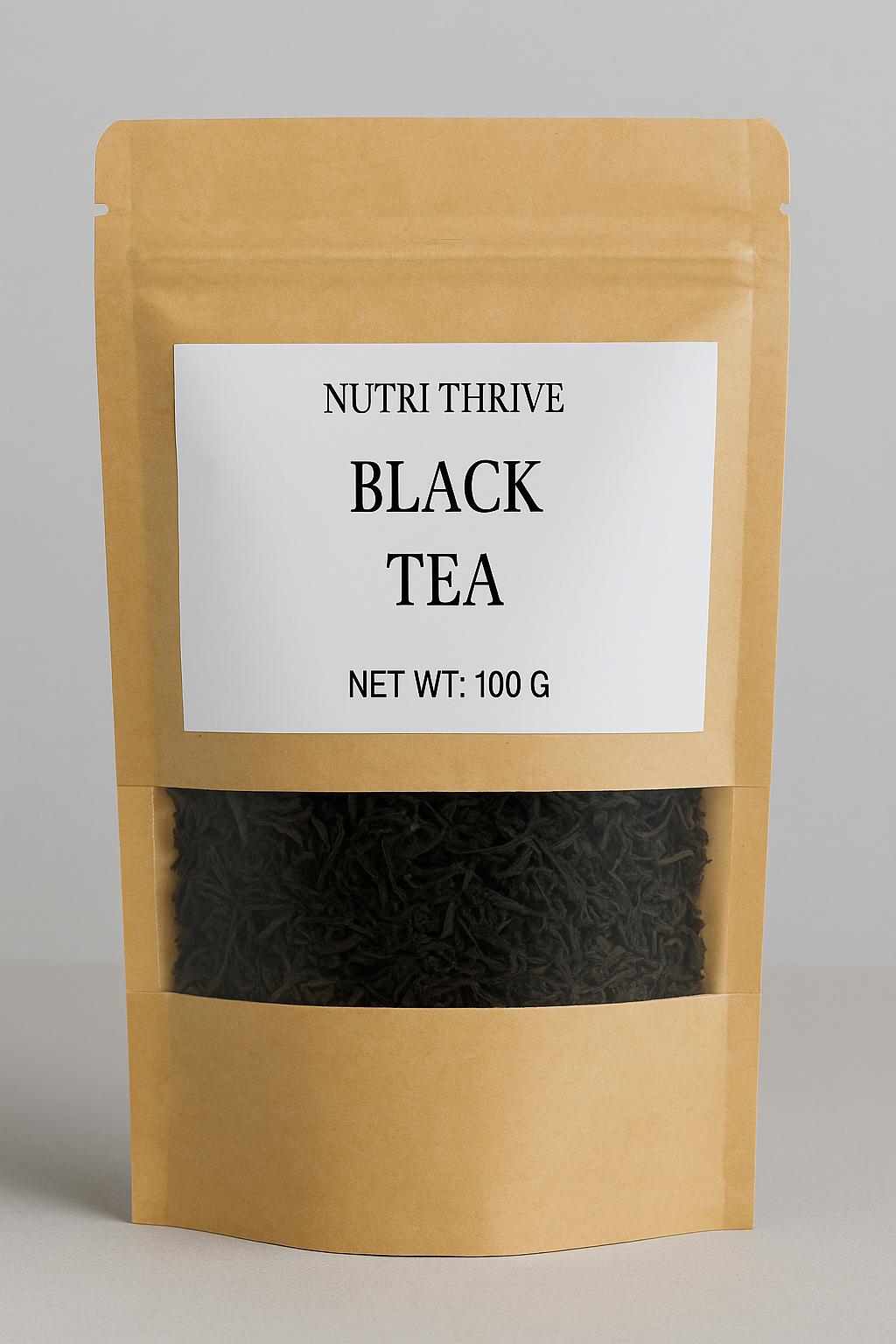
NutriThrive loose-leaf Darjeeling: first flush, muscatel aroma, smooth finish. $7.50/100g. Same-day dispatch from Truganina before 2pm.
Shop Darjeeling tea →Last updated: 31 August 2026
Update history
- 31 Aug 2026: Added a short section on caffeinated tea before bed after consolidating the cutoff-time article.
- Cluster hub: Darjeeling Tea Australia: First Flush vs Second Flush (2026)
- August 2026: Added a peer-reviewed citation for the altitude/caffeine correlation claim.
- June 2026: Initial publication. Darjeeling caffeine compared to coffee and green tea for Australian customers.

A practical next step
Darjeeling Black Tea
From a Darjeeling family farm.
$7.50 / 100g