 NutriThrive
Curry Leaves vs Curry Powder: Not the Same
Curry leaves and curry powder aren't the same thing. Here's the real difference in flavour, use, and why recipes specify one.
Quick Answer
No. Curry leaves are a fresh herb from the Murraya koenigii tree, used whole and cooked in oil to release their aromatic flavour. Curry powder is a British-invented blend of ground spices (turmeric, cumin, coriander, chilli) that has nothing to do with curry leaves. Most curry powder contains no curry leaves at all.
This question gets searched hundreds of thousands of times globally because the confusion is completely understandable. Two ingredients with the word "curry" in the name: surely related? They’re not. At all. Here’s a clear explanation.
What curry leaves actually are
Curry leaves come from a specific tree: Murraya koenigii, native to India and Sri Lanka. They’re used as a herb: whole leaves added to hot oil at the start of cooking to release their aromatic oils, in the same way you might fry garlic or mustard seeds before adding other ingredients. They have a distinctive citrusy, earthy, slightly smoky flavour profile that exists nowhere else in the herb and spice world.
Curry leaves look like small glossy bay leaves. They smell unmistakably like themselves. You find them at Indian grocery stores, good Asian supermarkets, and fresh or dried from online suppliers.
They are a real plant. The name "curry" in this case refers to the fact that these leaves are widely used in the curried dishes of South India.
What curry powder actually is
Curry powder is a spice blend: a mixture of ground spices invented by British manufacturers during the colonial era to try to replicate the flavours of Indian cooking without the complexity of using individual spices. A typical curry powder contains turmeric (which provides the yellow colour), cumin, coriander, chilli, and often fenugreek, black pepper, and ginger.
Here’s the critical fact: curry powder almost never contains curry leaves. It’s a coincidental naming overlap. The "curry" in curry powder refers to the same historical shorthand for "Indian-spiced dish", not to the curry leaf plant.
Why you can’t swap one for the other
They do completely different things in cooking:
Curry leaves provide aroma through volatile oils released when the whole leaf is briefly fried in fat. This aromatic top note is what gives South Indian dishes their distinctive fresh, citrusy-smoky quality.
Curry powder provides body, colour, heat, and the complex earthy-spice character you’d recognise from generic "curry flavour." It goes into the body of a sauce, not into the initial tempering oil.
Substituting one for the other would be like substituting bay leaves for paprika. They’re in entirely different flavour categories.
What to use if you don’t have curry leaves
If a South Indian recipe calls for curry leaves and you have none, see our curry leaf substitute guide.
Do not use curry powder as a substitute. It would change the flavour character of the dish in a way a missing aromatic wouldn't.
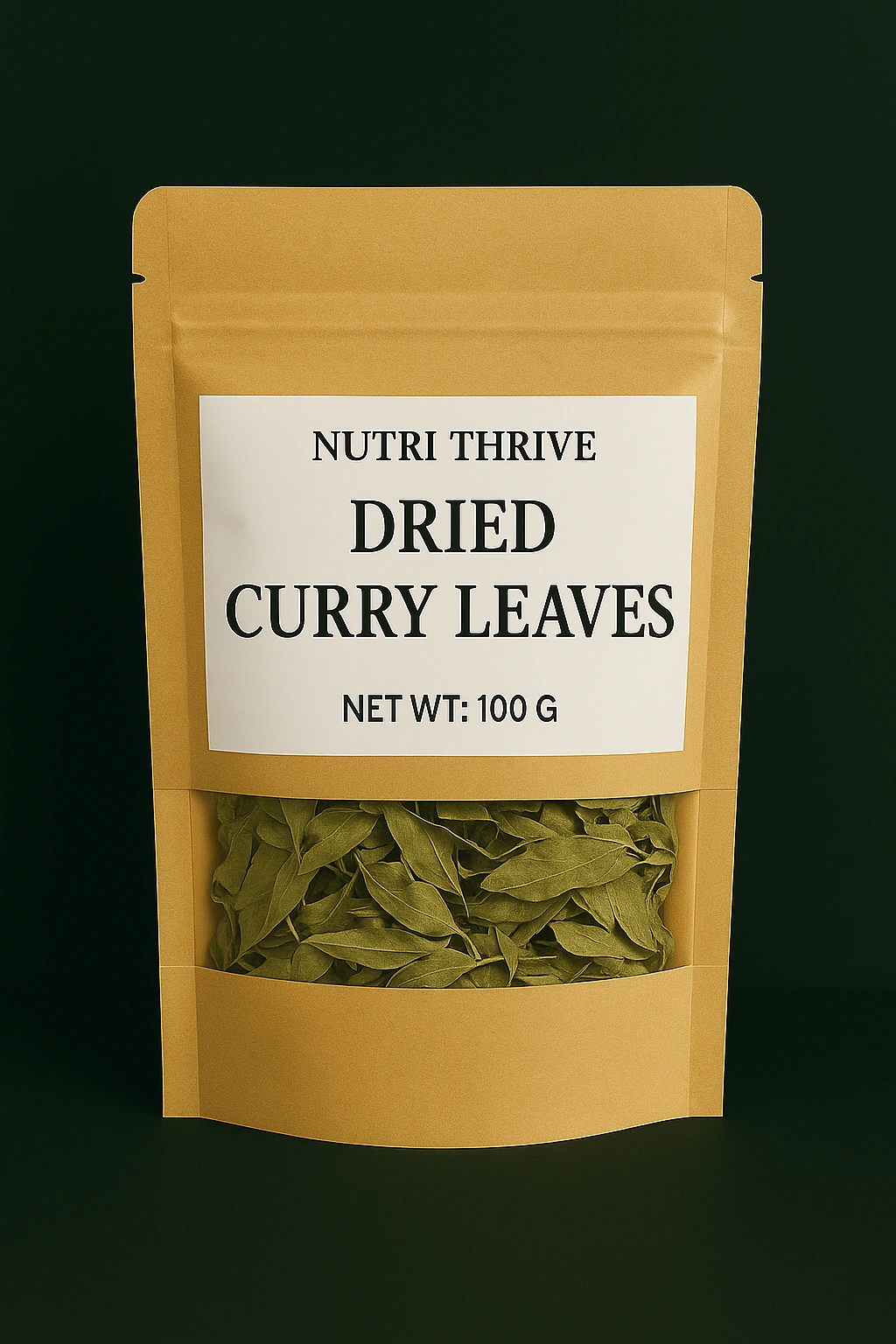
Cook with our dried curry leaves, free AU shipping over $79 when you mix with moringa powder or Darjeeling tea.
FAQ
Are they the same thing?
No. Different ingredient, different plant, different function entirely.
Can you substitute?
No. They do completely different things in cooking.
Does curry powder contain curry leaves?
Almost never, despite the naming overlap.
Written by Neer. NutriThrive Australia.
Shop Dried Curry Leaves → · Curry leaves in Australian cooking →
Shop Dried Curry Leaves
Shop our shade-dried curry leaves: packed fresh in Melbourne. Same-day dispatch.
Update log
- 29 Jun 2026: Article published.

A practical next step
Dried Curry Leaves
Farm-grown karipatta from our own farm.
$7.00 / 30g