 NutriThrive
Moringa Powder for Skin Australia: Face Mask, Glow & What It Can & Cannot Do
Short answer
Moringa leaf powder is food. Food-grade status does not establish that it is safe or effective as a face mask. There is limited clinical evidence for homemade moringa masks, and no validated application time or weekly schedule for the recipes below.
It is not an acne, eczema, pigmentation or anti-ageing treatment. If you have sensitive or affected skin, choose a product formulated for that use and ask a GP or dermatologist. NutriThrive’s $11/100g pouch is sold as food, not as a tested cosmetic.
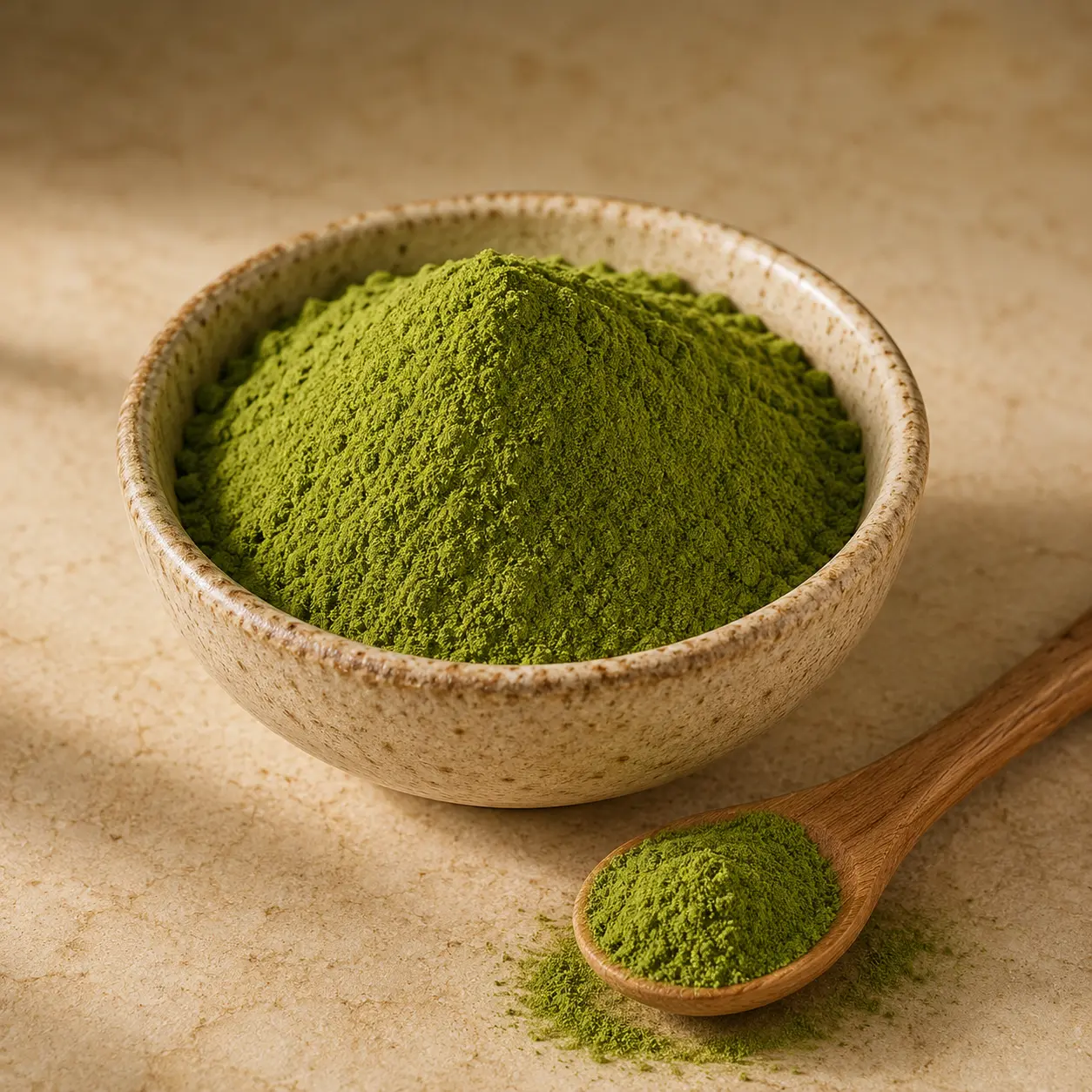
Eating it vs a face mask vs moringa oil: which one does what?
People use moringa three ways for skin, and they are not the same.
| Way to use it | What it does | How often | Best for |
|---|---|---|---|
| Eating the powder | A food ingredient; no established targeted skin benefit | Follow the food label; daily use is not required | People who want moringa as food, not as a cream |
| Face mask (powder + yoghurt or honey) | An untested DIY mixture; irritation and contamination are possible | No validated schedule | Not a substitute for formulated skincare |
| Moringa oil | An oil you rub on skin or hair; it stays on the skin longer than a mask | As needed, in small amounts | People who prefer an oil to a powder mask |
Eating it is the simplest way. Stir a small amount into a smoothie, juice, yoghurt, or a meal. Moringa leaf powder is food — it contains iron, zinc, vitamin A, vitamin C, calcium, and protein. Eating it supports your general health, including your skin, the way eating well does. It does not target your face, and it does not work like a cream.
A mask is different. You mix the powder into a paste, put it on your face for a short time, and rinse it off. Some people describe a temporary change in feel, but that does not demonstrate a clinical benefit or suitability for your skin. It does not sink deep into your skin, and it does not change your skin from the inside.
Moringa oil is different again. It is pressed from the seeds, not made from the leaf powder. Our guide to moringa oil for skin and hair explains how the oil is used, and how it differs from the powder.
None of these is a treatment. If you have a skin condition — acne that keeps coming back, eczema, psoriasis, a rash that will not settle, or skin that is sore, broken, or infected — moringa powder is not the answer. See a GP or a dermatologist.
Three DIY mixtures people ask about
The following combinations are examples of homemade mixtures, not tested cosmetic formulations or recommendations for sensitive skin. We cannot establish their safety, preservative protection, application time or frequency. Choosing a formulated cosmetic is the more predictable option.
Moringa and yoghurt
One common DIY mixture combines 1 teaspoon of leaf powder with 1 tablespoon of plain yoghurt. Dairy allergy, irritation and contamination are possible; being edible does not establish facial safety.
Moringa and honey
One common DIY mixture combines 1 teaspoon each of powder and honey with water. Honey and plant ingredients can trigger reactions; this is not a treatment for dry skin.
Moringa, oats and water
One common DIY mixture combines 1 teaspoon each of powder and ground oats with water. Kitchen oats are not the same as a tested colloidal-oatmeal skincare product. We cannot call this the gentlest option or recommend it for easily irritated skin.
Skin safety and product testing
Do not use homemade mixtures on broken, sunburnt, inflamed or infected skin, around the eyes or on a skin condition. Avoid known allergens. Food powder is not sterile, and adding water or food ingredients can introduce microbes. Do not store leftover DIY mixtures or return a wet utensil to a food pouch.
A single 24-hour spot test cannot establish that a mixture is safe for your face. Dermatology guidance for testing formulated skincare describes repeated small-area exposure over 7–10 days; that guidance does not validate these DIY recipes. For a sensitive-skin history or a suspected allergy, ask a dermatologist rather than testing a homemade mixture yourself.
If a product causes burning, itching, redness or swelling, wash it off and stop using it. Seek medical advice for severe or persistent symptoms. Do not repeat exposure to see whether a reaction settles.
There is no validated moringa-mask frequency or contact time, so a fixed weekly or ten-minute schedule cannot be recommended. A food pouch should not be promoted as a replacement for a moisturiser, sunscreen or prescribed treatment.
For food storage, keep the pouch dry and sealed in a cool cupboard. See how long moringa powder lasts.
What it cannot do
This is the part most blogs skip, and it matters most. Moringa powder is not a skincare medicine, and a mask will not do these things:
- It will not treat acne. It is not an acne treatment. It will not clear spots, stop breakouts, or replace acne medicine.
- It will not remove wrinkles or make you look younger. A mask cannot undo sun damage or ageing.
- It will not lighten your skin, remove scars, or fix pigmentation. It will not change your skin colour or erase marks.
- It will not give you a glow overnight. If your skin looks brighter after a mask, that is usually because you washed your face, massaged it gently, and moisturised after. That is short-term freshness, not a lasting change.
- It will not fix dry skin on its own. If your skin is dry, a moisturiser and sunscreen will help far more than a mask.
What it can do is simpler: an unvalidated DIY mixture, with uncertain benefits and individual irritation risk. If a blog or a product tells you moringa will fix your skin, treat that as a sales claim, not a fact. Moringa is food. Food supports your health. It does not treat skin conditions.
Food powder and skincare are different purchases
NutriThrive moringa leaf powder is a food ingredient: 100% leaf, farm-grown, sun-dried and packed in Truganina. It is $11 for 100g, $22 for 200g and $40 for 400g; free AU shipping starts at $49. Its food or nutrition testing does not demonstrate cosmetic safety or effectiveness.
Use food powder according to its food label. If you want skincare, look for a product formulated and labelled for that purpose. Food powder does not replace a skin cream. Moringa seed oil is also a separate ingredient; see moringa oil for skin and hair.
Eating a varied diet supports general health. Eating moringa has not been shown to target acne, reverse skin ageing or produce a predictable glow. See what moringa powder tastes like for food uses, and our hair-growth evidence guide for the limits of nutrition claims.
A simple skin routine
Use a suitable cleanser, moisturiser and sun protection. Ask a GP or dermatologist about persistent acne, eczema, rashes or pigmentation rather than relying on a homemade food mask.
FAQ
Can I use moringa powder on my face every day? There is no validated daily or weekly schedule for a homemade moringa mask. Food-grade status does not establish suitability for facial use.
Is moringa powder good for acne? It is not an established acne treatment. See a GP or dermatologist for persistent acne, and do not use a homemade mask on sore or broken skin.
Can I leave a moringa mask on overnight? Do not leave an untested food mixture on your face overnight. There is no validated safe contact time for the DIY mixtures described here.
Does safe to eat mean safe to put on skin? No. Food and cosmetic uses involve different exposures. A food pouch and its nutrition-panel testing do not prove facial safety; food ingredients can irritate skin or trigger allergies.