 NutriThrive
Immune health: what the evidence supports
Everyday habits that support normal immune function: sleep, movement, vaccination and a varied diet with zinc, vitamin C and protein.
Quick Answer
Immune health rests on sleep, vitamin D (especially in southern Australian winters), zinc and protein from food, gut diversity, and managing stress. Megadose vitamin C does not prevent colds. No food replaces vaccination or medical care.
- Sleep is the strongest lifestyle factor for immune function: under 7 hours consistently raises infection risk.
- Vitamin D deficiency is common in Melbourne, Sydney, and Hobart winters even in sunny Australia.
- Zinc and adequate protein support immune cell production; deficiency impairs recovery.
- Vitamin C helps only if you were already deficient; regular megadoses do not stop colds.
- Gut bacteria diversity from fibre-rich plants supports immune regulation long term.
What "boosting immunity" gets wrong
Your immune system is not a muscle you pump up with a supplement. It is a complex network that needs balance: strong enough to fight infections, regulated enough not to attack your own tissue.
Marketing promises of "immune boosting" often oversimplify this. What actually works is boring: sleep, adequate nutrition, exercise, stress management, and vaccinations where recommended.
Food supports immune function by supplying the raw materials immune cells need. It does not create superhuman resistance to every virus.
Sleep: the most evidence-backed immune lever
Sleep deprivation suppresses immune response within days. Studies show people sleeping less than 6 hours are roughly four times more likely to catch a cold when exposed to rhinovirus compared with those sleeping 7 hours or more.
For Australians juggling work, kids, and screens, sleep is often the first thing cut. Protecting 7 to 9 hours is more effective than any supplement stack.
If you struggle to sleep, magnesium-rich foods, consistent bedtimes, and reducing alcohol (which fragments sleep) are practical starting points.
Vitamin D in the Australian winter paradox
Australia is sunny, but vitamin D deficiency is still common, especially in southern cities during winter. Office workers, people with darker skin, and those who cover up for sun protection are at higher risk.
Vitamin D receptors exist on immune cells. Low levels are linked to higher respiratory infection rates. A blood test with your GP clarifies whether you need supplementation.
Food sources (fatty fish, egg yolks, fortified milk) help but rarely suffice alone in winter. See our vitamin D deficiency guide for Australian-specific advice.
Zinc, protein, and immune cell production
Zinc is essential for immune cell development and wound healing. Deficiency (more common in older adults and restrictive diets) impairs recovery from infections.
Oysters, beef, pumpkin seeds, chickpeas, and cashews are good sources. Supplements help when deficient but do not improve outcomes in people with adequate levels.
Protein supplies amino acids for antibody production. Under-eating protein weakens immune response, particularly in older Australians who often eat less protein than they need.
Vitamin C: honest expectations
Vitamin C supports immune function, but the evidence for preventing colds with regular megadoses is weak for the general population. It may slightly shorten cold duration if taken consistently, not just at first sniffle.
If you eat fruit and vegetables daily, you likely get enough. Capsicum, kiwi fruit, citrus, broccoli, and strawberries are rich sources available year-round in Australia.
Supplement if diet is poor or during illness when appetite drops, but do not expect miracle prevention.
Vitamin A and gut health
Vitamin A maintains the integrity of skin and mucous membranes, your first physical barrier against pathogens. Sweet potato, pumpkin, carrots, and leafy greens provide beta-carotene that the body converts to vitamin A.
Gut bacteria train and regulate immune response. Fibre from diverse plants feeds beneficial bacteria. Fermented foods add useful strains. This is a long-game strategy, not a quick fix before flu season.
Immune-supporting foods for Australians
Protein: eggs, fish, chicken, legumes, yoghurt.
Zinc sources: pumpkin seeds, beef, chickpeas, cashews.
Vitamin C: kiwi, capsicum, citrus, broccoli.
Vitamin A precursors: sweet potato, pumpkin, carrots.
Vitamin D: salmon, sardines, fortified milk, sensible winter sun.
Gut support: fibre-rich vegetables, legumes, yoghurt, kefir.
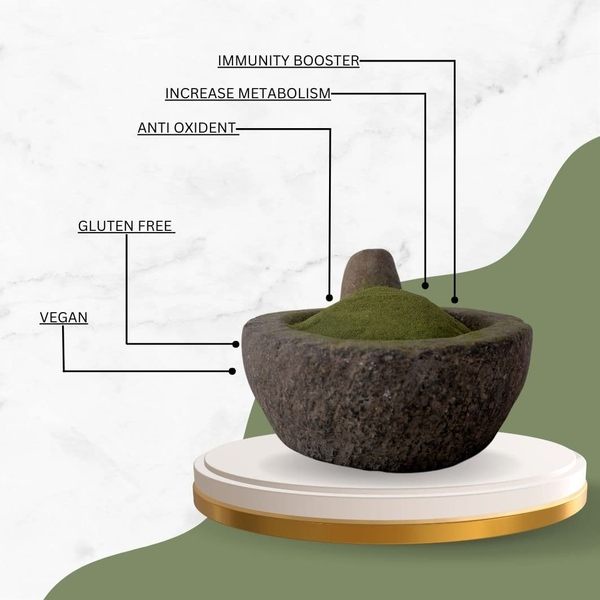
Moringa adds iron, vitamin C, and antioxidants as a green powder addition but is not an immune drug.
What does not work
Megadose vitamin C to prevent colds: minimal benefit if you are not deficient.
"Immune boosting" herbal blends without evidence: often expensive and unregulated.
Detox cleanses: your liver and kidneys already detox; extreme fasts weaken immunity.
Replacing vaccines with food: nutrition supports immune health but does not replace influenza, COVID, or other recommended vaccinations.
FAQ
What is the best way to strengthen immunity naturally?
Prioritise 7 to 9 hours sleep, eat adequate protein and zinc, maintain vitamin D levels (test in winter), eat diverse plants for gut health, exercise regularly, manage stress, and stay up to date with recommended vaccinations.
Does vitamin C boost your immune system?
Vitamin C supports immune function when you have enough. Regular high-dose supplements do not meaningfully prevent colds in most people. Eating fruit and vegetables daily is sufficient for most Australians.
Which foods weaken the immune system?
Diets high in ultra-processed food, excess alcohol, and very low protein intake are linked to worse immune markers. Chronic sleep deprivation and extreme calorie restriction also suppress immune response regardless of food quality.
Written by Neer. NutriThrive Australia.
Vitamin D deficiency in Australia · Magnesium and sleep
These statements have not been evaluated by the TGA. This content is general information only, not medical advice.
Ready to Try Moringa?
Shop our 100% pure moringa powder: packed fresh in Melbourne. Same-day dispatch.
Update log
- 29 Jul 2026: Article published.

A practical next step
400g Moringa Bundle
Four 100g pouches of our farm-grown moringa. Manufactured by NutriThrive and packed in Truganina.
$40.00 / 400g
$10 per 100g in the 400g pouch · Free AU shipping on orders from $49 · Packed in Truganina, VIC · NMI lab summary