 NutriThrive
What the longest-lived populations eat
What long-lived populations eat, the food patterns research links with healthy ageing, and how to apply them in an Australian kitchen.
Quick Answer
Longevity diets share a pattern: legumes, vegetables, fruit, whole grains, nuts, olive oil, and fish, with minimal ultra-processed food and moderate alcohol. No single miracle food: consistency over decades is what the Blue Zones research shows.
- Blue Zones and global longevity research point to dietary patterns, not isolated superfoods.
- Legumes appear in every long-lived population studied: cheap, versatile, and high in fibre and protein.
- Extra virgin olive oil, fatty fish, and nuts supply fats linked to lower cardiovascular risk.
- Ultra-processed food, processed meat, and heavy alcohol are consistently absent from longevity diets.
- Australian diets can match this pattern using local produce without importing exotic ingredients.
What longevity research actually shows
Longevity research does not identify one magic ingredient. It identifies patterns. Populations with the highest rates of living past 90 share similar eating habits, active lifestyles, strong social connection, and low chronic disease burden.
Dan Buettner’s Blue Zones work mapped five regions (Okinawa, Sardinia, Nicoya, Ikaria, and Loma Linda) where people live measurably longer. Their diets differ in cuisine but overlap in structure: mostly plants, legumes daily, modest meat, and very little ultra-processed food.
This is useful for Australians because the pattern translates directly: you do not need a Mediterranean holiday to eat this way. Local vegetables, tinned legumes, Australian olive oil, and barramundi or sardines fit the same framework.
Legumes: the most underrated longevity food
Every Blue Zone eats beans, lentils, or chickpeas daily or near-daily. They are high in fibre, plant protein, folate, and minerals, and they stabilise blood sugar.
In Australia, tinned chickpeas, lentils, and kidney beans are cheap and shelf-stable. A half-cup of cooked lentils delivers roughly 7 to 8g fibre and 9g protein. Adding legumes to soups, salads, and curries is one of the highest-return longevity swaps available.
Vegetables, fruit, and whole grains
Long-lived populations eat a wide variety of plants. Not because of one antioxidant, but because diverse plants feed diverse gut bacteria, supply different micronutrients, and replace ultra-processed alternatives.
Aim for colour across the week: leafy greens, orange vegetables, cruciferous veg (broccoli, cauliflower), and seasonal fruit. Whole grains (oats, brown rice, barley, wholegrain bread) provide sustained energy and fibre that refined grains lack.
The Australian guide to eating 30 different plants per week aligns well with longevity research on microbiome diversity.
Healthy fats: olive oil, fish, and nuts
Extra virgin olive oil is the primary fat in Mediterranean longevity diets. Its polyphenols have documented anti-inflammatory effects. Use it for cooking and dressings instead of industrial seed oils in large amounts.
Fatty fish (salmon, sardines, mackerel) supply omega-3 fats linked to lower cardiovascular mortality in multiple cohort studies. Two serves per week is a practical target for Australians.
Nuts (walnuts, almonds, mixed unsalted) appear in nearly every longevity diet. A small handful daily is associated with lower heart disease risk in large population studies. They are calorie-dense, so portion size matters.
Fermented foods and gut health
Many long-lived populations eat fermented foods regularly: yoghurt, kefir, miso, tempeh, sauerkraut. Fermentation supports gut bacteria diversity, which ties into immune function, inflammation, and possibly cognitive health.
For Australians, plain Greek yoghurt, tempeh, and quality sauerkraut from the fridge section are accessible options. You do not need a fermentation hobby: food-level amounts consistently eaten beat occasional extremes.
What longevity diets limit
Ultra-processed food: nearly absent in Blue Zones. UPF is linked to higher all-cause mortality in large epidemiological studies.
Processed meat: bacon, sausages, and deli meats are eaten rarely or in small amounts. The WHO classifies processed meat as a Group 1 carcinogen.
Excess alcohol: some Blue Zones drink moderate red wine with meals, but heavy drinking is not part of the pattern. For longevity, less alcohol generally outperforms more.
Added sugar: sweets exist as occasional treats, not daily staples. High sugar intake drives metabolic disease, which shortens healthy lifespan regardless of total years lived.
Consistency beats perfection
The longest-lived people do not diet aggressively. They eat the same wholesome foods repeatedly, cook at home often, and stop eating when comfortably full.
For Australians, this means building habits: legumes twice a week becoming four times, swapping soft drink for water, adding vegetables to breakfast, choosing olive oil over margarine for most cooking.
A 2024 analysis in The Lancet estimated that poor diet contributes to more deaths globally than any other modifiable risk factor. The fix is not exotic: it is shifting the average meal toward whole plants, legumes, and healthy fats over years, not days.
FAQ
What are the best longevity foods for Australians?
Legumes, leafy greens, colourful vegetables, fruit, whole grains, extra virgin olive oil, fatty fish, nuts, and fermented foods like yoghurt and tempeh. These map directly to Australian supermarkets and farmers markets without needing imported specialty items.
Do Blue Zone diets work outside Mediterranean countries?
Yes. The pattern (mostly plants, legumes daily, modest meat, minimal UPF) transfers across cultures. Okinawan longevity comes from sweet potato, soy, and vegetables, not olive oil. The structure matters more than the specific cuisine.
Is moringa a longevity food?
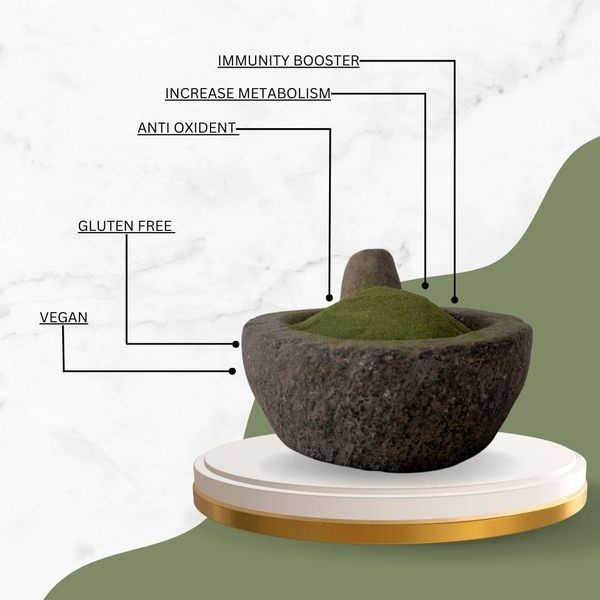
Moringa fits the longevity food pattern: a nutrient-dense leaf with antioxidants, minerals, and plant protein. It has not been studied in longevity trials specifically, but it aligns with the " diverse whole plants" principle. Treat it as a useful addition, not a longevity guarantee.
Written by Neer. NutriThrive Australia.
Best anti-inflammatory foods · 30 plants per week guide
These statements have not been evaluated by the TGA. This content is general information only, not medical advice.
Ready to Try Moringa?
Shop our 100% pure moringa powder: packed fresh in Melbourne. Same-day dispatch.
Update log
- 27 Jul 2026: Article published.

A practical next step
Moringa Powder 400g
Four 100g pouches of our farm-grown moringa. Manufactured by NutriThrive and packed in Truganina.
$40.00 / 400g
$10 per 100g in the 400g pouch · Free AU shipping on orders from $49 · Packed in Truganina, VIC · NMI lab summary