 NutriThrive
Eating through perimenopause
Protein, calcium, fibre and iron-rich foods during perimenopause, what to cut back on, and simple meals for busy weeks.
Quick Answer
During perimenopause, prioritise protein (1.0 to 1.2g per kg body weight), calcium, vitamin D, iron if periods are heavy, phytoestrogen-rich foods, and magnesium. Cut back on alcohol, ultra-processed food, and excess caffeine.
- Perimenopause shifts how your body handles muscle, bone, blood sugar, and hormones: food becomes more important, not less.
- CSIRO and Australian guidelines support 1.0 to 1.2g protein per kg body weight daily to protect lean muscle as estrogen falls.
- Calcium (1,000 to 1,300mg) and vitamin D matter for bone density; many Australian women are already low on both.
- Phytoestrogens from soy, flaxseed, and legumes may ease hot flushes for some women, though results vary.
- Heavy or irregular periods in perimenopause can drain iron stores: pair plant iron with vitamin C and check levels with your GP.
What perimenopause actually does to your body
Perimenopause is the transition before menopause, usually starting in your 40s and lasting several years. Oestrogen and progesterone fluctuate unpredictably. That is why symptoms feel inconsistent: some weeks you sleep well, other weeks hot flushes and brain fog hit hard.
These hormonal shifts change how your body builds muscle, stores fat, absorbs nutrients, and regulates blood sugar. Lean muscle mass tends to decline faster. Bone turnover increases. Insulin sensitivity can drop. Mood and sleep are affected by both hormones and nutrient status.
Food cannot replace hormone therapy when it is clinically needed. But what you eat shapes the background your body works from: muscle preservation, bone density, iron stores, inflammation, and energy stability all respond to diet.
Protein: the nutrient most women underestimate
As oestrogen falls, muscle becomes harder to maintain. Without enough protein, you lose lean tissue faster, which slows metabolism and makes weight management harder.
CSIRO research and Australian dietary guidance support roughly 1.0 to 1.2g of protein per kilogram of body weight per day for women in midlife. For a 70kg woman, that is 70 to 84g daily, spread across meals.
Good Australian sources: eggs, Greek yoghurt, fish (salmon, sardines, barramundi), chicken, lean beef, tofu, tempeh, lentils, chickpeas, and cottage cheese. Aim for 20 to 30g protein at main meals rather than loading it all at dinner.
Calcium and vitamin D for bone health
Bone density loss accelerates in the years around menopause. Calcium and vitamin D are the foundation nutrients for slowing that decline.
Australian guidelines recommend 1,000mg calcium daily for women aged 19 to 50, rising to 1,300mg after 51. Dairy, fortified plant milks, tinned salmon with bones, tahini, almonds, and leafy greens all contribute.
Vitamin D is trickier in southern Australia. Even in a sunny country, office work, sunscreen use, and winter latitude leave many women deficient. A blood test with your GP is worthwhile. Food sources include fatty fish, egg yolks, and fortified products, but sun exposure and supplementation are often needed in winter.
Iron when periods get heavier or longer
Perimenopause often brings heavier, longer, or more unpredictable periods before they stop. That can quietly drain iron stores even if your diet looks reasonable.
Signs of low iron include fatigue, breathlessness on stairs, restless legs, and brain fog that mimics hormonal symptoms. If periods have changed, ask your GP for a ferritin and full blood count test.
Red meat, tinned sardines, lentils, chickpeas, spinach, and pumpkin seeds are useful sources. Plant iron absorbs better with vitamin C at the same meal: think lemon on lentils or capsicum with chickpea salad. See our iron deficiency guide for Australian women for more detail.
Phytoestrogens: what the evidence says
Phytoestrogens are plant compounds that weakly mimic oestrogen in the body. They are not hormone replacement, but some women find they reduce hot flush frequency.
Soy foods (tofu, tempeh, edamame), flaxseed (ground, not whole), chickpeas, and lentils are the most studied sources. A 2021 review in Climacteric found soy isoflavones modestly reduced hot flush frequency in several trials, though not everyone responds.
Start with food portions, not high-dose supplements, unless your GP or dietitian advises otherwise. Two tablespoons of ground flaxseed daily or regular tofu meals is a reasonable food-level approach.
Magnesium for sleep, mood, and muscle
Magnesium supports nerve function, muscle relaxation, and sleep quality. Many Australians under-eat magnesium-rich foods, and stress increases requirements.
Dark leafy greens, pumpkin seeds, almonds, black beans, avocado, and dark chocolate (70% plus) are practical sources. Magnesium glycinate supplements are commonly used for sleep, but food comes first.
If you wake at 3am, feel wired but tired, or get leg cramps, magnesium worth discussing with your GP alongside a dietary review.
Best foods to eat during perimenopause
Protein at every meal: eggs, fish, tofu, yoghurt, legumes.
Calcium-rich foods: milk, fortified plant milk, tinned salmon, tahini, cheese in moderation.
Phytoestrogen foods: soy, flaxseed, chickpeas, lentils.
Healthy fats: extra virgin olive oil, avocado, walnuts, fatty fish for omega-3s.
Fibre-rich plants: vegetables, fruit, whole grains, legumes for gut health and blood sugar stability.
Magnesium sources: leafy greens, nuts, seeds, legumes.
Iron with vitamin C: especially if periods are heavy.
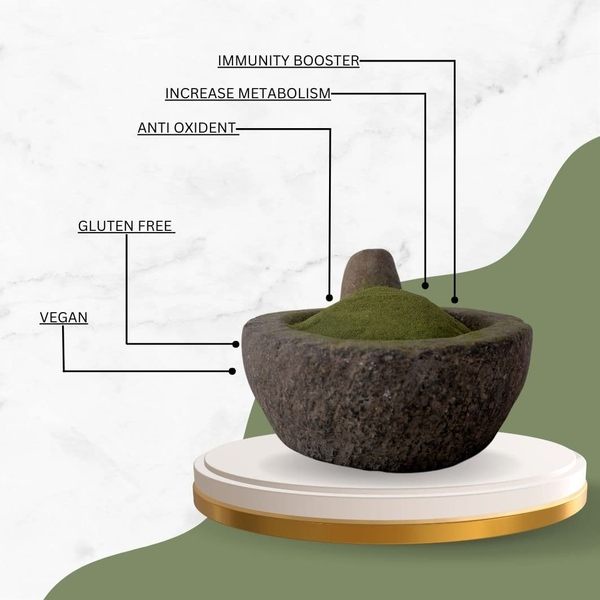
Moringa leaf powder fits as a nutrient-dense green addition (iron, magnesium, calcium) but is not a hormone treatment. More on that below.
What to reduce during perimenopause
Alcohol: worsens hot flushes, disrupts sleep, and adds empty calories. Even moderate intake affects many women noticeably in perimenopause.
Ultra-processed food: linked to higher inflammation, worse blood sugar control, and lower diet quality. Swapping UPF for whole foods often improves energy within weeks.
Excess caffeine: can trigger hot flushes and anxiety in sensitive women. If flushes spike after coffee, try cutting back or switching to half-strength after midday.
Large blood sugar swings: refined carbs without protein or fibre can worsen fatigue and cravings. Pair carbohydrates with protein and fat at meals.
FAQ
What foods help perimenopause symptoms most?
Protein-rich meals, calcium and vitamin D sources, phytoestrogen foods (soy, flaxseed, legumes), magnesium-rich plants, and iron if periods are heavy. Fatty fish and olive oil support inflammation balance. Consistency matters more than any single superfood.
Does diet actually help perimenopause?
Yes, for several symptoms, though not as a replacement for medical care when needed. Diet supports muscle mass, bone density, iron stores, blood sugar stability, and sleep quality. Some women also get modest hot flush relief from phytoestrogen foods. Results vary by person.
What should I avoid eating during perimenopause?
Limit alcohol, ultra-processed food, excess caffeine if it triggers flushes, and large amounts of refined sugar. These worsen sleep, flushes, and weight management for many women. You do not need perfection: direction matters more than restriction.
Can moringa help with perimenopause?
Moringa is a nutrient-dense leaf powder with iron, magnesium, calcium, and antioxidants. It can support overall nutrition as a food addition, especially if you struggle to eat enough greens. It is not a hormone treatment and does not replace HRT or medical advice. See our guide on moringa and menopause symptoms for what research shows.
Written by Neer. NutriThrive Australia.
Moringa and menopause symptoms · Iron deficiency in Australian women
These statements have not been evaluated by the TGA. This content is general information only, not medical advice.
Ready to Try Moringa?
Shop our 100% pure moringa powder: packed fresh in Melbourne. Same-day dispatch.
Update log
- 26 Jul 2026: Article published.

A practical next step
400g Moringa Bundle
Four 100g pouches of our farm-grown moringa. Manufactured by NutriThrive and packed in Truganina.
$40.00 / 400g