How to Choose Moringa Powder in Australia: Colour, Lab Tests and Red Flags (2026)
Last updated: 22 July 2026
Quick Answer
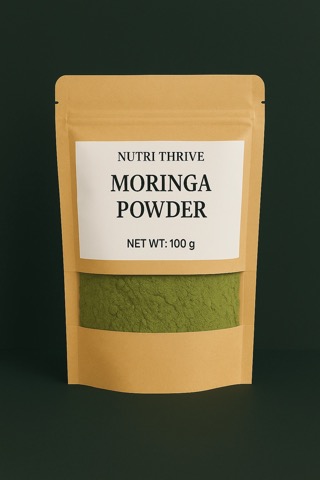
Good moringa powder in Australia is bright green, lists 100% moringa leaf only, was shade-dried, and comes with a batch-specific lab report for heavy metals and microbes. If the price looks too cheap for tested leaf, or the seller will not share a CoA, keep shopping.
- Colour beats marketing: vibrant green usually means gentler drying and fresher leaf.
- Single-ingredient labels win. Blends and mystery fillers hide quality problems.
- Shade-dried leaf keeps more nutrients than harsh sun bleaching.
- Lab testing must match your lot number. "Lab tested" alone is not enough.
- Powder suits most buyers on value; capsules suit travel and taste-sensitive users.
I pack moringa in our Truganina warehouse. Bright green batches smell grassy; brown, musty bags go back to the supplier. Labels lie more often than colour does.
Use this as a buyer checklist, not medical advice. If a brand will not share a batch CoA for heavy metals, treat that as a no. We publish our lab summary PDF so you can see what credible paperwork looks like.
Walk into any health food aisle, or scroll Chemist Warehouse at midnight, and every bag claims “premium” and “organic.” Colour and paperwork separate useful leaf from mediocre dust. Here is a step-by-step way to choose moringa powder in Australia without marketing fluff.
Decision tree: five checks before you buy
- Look at colour first. Bright, grassy green is a good sign. Dull brown or yellow often means oxidation or sun damage, even if the expiry date looks fine.
- Read the ingredient list. You want one line: 100% moringa leaf. Blends with rice flour, fillers, or “proprietary mixes” are a red flag.
- Ask how it was dried. Shade-dried leaf keeps more chlorophyll and nutrients than harsh sun drying. See our shade vs sun drying explainer.
- Request batch lab results. Ask for a CoA covering lead, cadmium, arsenic, mercury, and microbes for the lot you are buying. Read our heavy metals lab testing guide to interpret the report.
- Compare price per 100 g, not hype. Tested powder from reputable brands often sits around $10 to $15 per 100 g. Suspiciously cheap powder with no test data is a price trap, not a bargain.
Comparison checklist: good signs vs red flags
| Factor | Good sign | Red flag |
|---|---|---|
| Colour | Bright green, grassy smell | Brown, khaki, or musty hay odour |
| Ingredients | 100% moringa leaf only | Blends, fillers, or unclear “superfood mix” |
| Drying | Shade-dried or low-heat process named on label | No processing info, or sun-bleached dull powder |
| Lab testing | Batch CoA shared on request or published | “Lab tested” with no document or lot match |
| Batch traceability | Lot or packed-on date you can read | No batch code, no expiry, no AU business details |
| Price | Fair per 100 g with test data to back it up | Very cheap with no CoA; capsule markup disguised as convenience |
| Claims | Honest food/supplement wording | Cure or disease-treatment promises (illegal in Australia) |
The 60-second checklist
- Colour: bright green beats dull brown-yellow
- Smell: fresh, grassy, not musty or cardboard
- Processing: shade-dried preferred over harsh sun drying
- Testing: heavy metals + microbes; COA available
- Label: ingredient list says 100% moringa leaf, no mystery blends
- Dates: packed-on or best-before you can read
- Claims: no “cures diabetes/cancer”; that is illegal in Australia
Why colour matters more than the label
Chlorophyll and antioxidants fade when leaves are overheated or stored in clear plastic under shop lights. Vibrant green powder usually means gentler drying and better storage. Brown, khaki, or grey powder can still be inside the best-before window but already oxidised.
Compare shade-dried vs sun-dried processing in our shade vs sun drying explainer.
Lab testing. What to ask for
Reputable Australian sellers test for:
- Lead, arsenic, cadmium, mercury
- Microbial counts (bacteria, mould)
- Sometimes pesticide panels
If a brand will not share a certificate of analysis (COA) for the batch you are buying, treat that as a red flag. Read our heavy metals lab testing guide for what to look for on an Australian CoA.
Does organic certification matter?
Organic (e.g. ACO in Australia) helps with pesticide risk and traceability, but organic alone does not guarantee freshness. A certified organic bag can still be old, sun-damaged, or poorly stored. Use organic as a plus, not the only filter.
Price. What is fair per 100 g in 2026?
In Australia, honest leaf powder often lands around $10–$15 per 100 g for direct-from-brand quality with testing. Suspiciously cheap powder (<$5/100 g) with no test data is risky. Capsules often cost 2–4× more per effective gram of leaf.
Powder vs capsules: who should buy which?
Most pharmacy shelves stock 500 mg capsules. A useful daily serve of leaf powder is closer to 2 to 3 g (about one teaspoon). That means 4 to 6 capsules to match one powder dose, and capsule pricing often works out to $80 to $217 per 100 g equivalent once you do the maths.
Choose powder if you…
- Want the best value per gram of leaf
- Plan to use moringa in smoothies, yoghurt, or cooking
- Are happy to start with half a teaspoon and adjust the dose
- Want to see and smell the product when it arrives
Choose capsules if you…
- Dislike the taste of green powder
- Travel often and need a no-mess format
- Prefer fixed doses without measuring spoons
- Accept paying more per effective gram for convenience
Either format is only as good as what is inside: 100% leaf, a recent batch, and a CoA for heavy metals and microbes. Capsules still need the same lab scrutiny as powder. For named capsule brands, see our Chemist Warehouse vs NutriThrive quality test and Rosabella review.
Hands-on sensory checks (from our field tests)
Labels lie more often than colour. When we line up bags in morning light, this is what separates useful leaf from tired dust:
- Colour: neon green = intact chlorophyll; olive-khaki or brown = heat damage or age
- Smell: cut grass with faint pea-pod sweetness = fresh; musty hay or cardboard = oxidation
- Texture: silky-fine milling drinks better; sandy grit often means stem content or rushed grinding
- Taste: clean grassy bitterness is normal; fishy, burnt, or muddy notes are red flags
Moringa is a hyper-accumulator: it can pull lead and cadmium from poor soil. Sensory checks tell you about freshness; lab paperwork tells you about safety. Ask for both.
Where to buy in Australia (online vs stores)
You can buy from direct Australian brands, health food stores, pharmacies, or supermarkets. Where you buy matters less than what's in the bag, but channel choice affects price, dose format, and how fresh the stock is.
Chemist Warehouse and pharmacies
Chemist Warehouse often stocks moringa capsules (Indus Farms, Nutra Nourished, Rosabella) at roughly $24–$65 for 60 caps. Pure powder is rare on pharmacy shelves. Priceline and GoVita sometimes carry capsules; GoVita health-focused stores are more likely to stock powder alongside spirulina and matcha.
Supermarkets (Woolworths, Coles)
Occasional health-aisle listings are usually blends, not 100% leaf: check for rice powder or flavour fillers. Selection changes weekly and is inconsistent store to store.
Independent health food stores
Local stores, especially in suburbs with large South Asian communities (Harris Park, Dandenong): often stock pure powder. You can inspect colour and smell before paying. Expect $15–$35 per 100 g depending on brand and markup.
Online (direct from Australian brands)
Direct-to-consumer sellers let you compare lab tests, batch dates, and price per 100 g before checkout. Melbourne-warehouse fulfilment usually means faster turnover than stock that sat on a Queensland summer shelf. Other online suppliers Australians compare include Bulk Superfoods (Health Co, Perth), Moringa Farm Australia (Cairns), and Organic Moringa Australia (Sydney).
Online vs in-store: price snapshot (2026)
| Channel | Typical format | Price range (AUD) | Approx. $/100 g | Watch out for |
|---|---|---|---|---|
| Chemist Warehouse | 60 capsules (500 mg) | $24–$65 | $80–$217 equiv. | Low dose per cap; high cost per effective serve |
| Health food store | 100 g powder | $15–$35 | $15–$35 | Inconsistent freshness; lab tests rarely visible |
| Supermarket | Blended powder | $12–$20 | Varies | Often not 100% moringa leaf |
| NutriThrive online | 100 g pure powder | $11.00 | $11.00 | Online only; shade-dried, NMI lab summary on file |
| Bulk Superfoods (Health Co) | 500 g organic | ~$25–$60 | ~$5–$12 | Bulk value; verify CoA and pack date on arrival |
Prices reflect typical 2026 public listings. Recheck before checkout.
Online vs in-store: quick pros and cons
| Channel | Pros | Cons |
|---|---|---|
| In-store | Instant pickup; inspect colour/smell before paying | Mostly capsules; weak lab visibility; dusty shelf stock |
| Online direct | Pure powder range; batch dates; price per 100 g easy to compare | 1–5 day delivery; can't smell before buying |
Common buying mistakes
- Choosing on price alone without checking cost per effective dose (capsules often lose on maths)
- Skipping freshness signals: batch date, colour, smell, because the brand looks familiar
- Assuming capsules automatically outperform powder for results
- Waiting until you run out, then grabbing whatever is on a pharmacy shelf in a hurry
Field-test tip: mix before you drink
When testing powder at home, whisk a paste with a tablespoon of warm water before adding to cold liquids: texture improves instantly. Pair with a little fat (yoghurt, nuts, avocado) if you care about fat-soluble nutrients in a normal meal.
Cost per effective day (capsule reality check)
Rosabella-style pharmacy capsules (~$25 for 60 caps at 500–800 mg each) can work out to roughly $2+ per effective daily dose once you need multiple caps to match a teaspoon of powder. NutriThrive powder at $11/100 g is closer to $0.20–0.25 per 2 g serve: the gap is format and dose maths, not magic ingredients.
Quick reference for powders Australians ask about most. For deep dives on specific competitors, see Group B reviews linked below, not duplicated here.
| Brand | Format | ~$/100 g | Notes |
|---|---|---|---|
| NutriThrive | 100 g powder | $11.00 | Shade-dried; Melbourne fulfilment; lab summary published |
| Bulk Superfoods | 500 g–1 kg powder | ~$5–$12 | Bulk value when on sale; regular shelf price higher |
| Bondi Beach Tea Co | 500 g AU-grown | ~$12 | Australian origin; boutique positioning |
| Wild Earth | Powder | Varies | Fine grind; confirm 100% leaf and batch CoA |
| Forest Superfoods | Powder | ~$15–57 | Freeze-dried; premium retail positioning |
| Rosabella | 60 capsules | ~$25 | Chemist Warehouse; see dedicated review |
Red flags: walk away
- Cure or disease-treatment claims on the pack or website
- No batch code, no expiry, no Australian business details
- Clear plastic tubs sitting in full sun at the checkout
- Bitter, musty smell when you open the bag
- Refuses to provide lab results
FAQ: choosing moringa in Australia
Is Australian-grown moringa better than imported?
Not automatically; quality depends on drying, testing, and freshness. Imported shade-dried powder from reputable farms can beat stale local stock. Ask about harvest date and tests, not just country of origin.
Powder or capsules for first-time buyers?
Powder is easier to start with at ½ tsp and adjust. See our how to add moringa to your diet guide.
How do I check freshness at home?
Open the bag and compare colour and smell to the sensory checklist above. Bright green and grassy beats dull brown and musty every time.
How do I verify heavy metal testing?
Ask for a batch CoA covering lead, cadmium, arsenic, mercury, and microbes. See how to read moringa lab results in Australia.
Ready to compare a tested batch? Our lab summary PDF shows what batch paperwork looks like. If the checks above match what you want, you can browse our shade-dried moringa powder or read shipping and returns before you order.
Update log
- 22 July 2026: Quick Answer, Key Takeaways, decision tree, good-sign vs red-flag table, powder vs capsules buyer profiles, softer CTA, title/meta refresh.
- 25 June 2026: Heavy metals lab guide cross-links, capsules vs powder FAQs, Melbourne delivery link.
- 21 June 2026 (Round 3): Added buying mistakes, in-store vs online pros/cons, field-test mixing tip, and capsule cost-per-day maths from consolidated posts.
- 21 June 2026: Merged buying-channel guide, price tables, capsule dose maths, and field-test sensory checks from consolidated Group A posts.
- 21 May 2026: Founder note, intro rewrite, fixed broken freshness links, removed duplicate disclaimer.
Guides in this cluster
These articles stay live on their own URLs. This page is the hub — start here, then dig into any topic below.
- Moringa Heavy Metals Lab Testing Australia. What to Look For (2026)
- Shade-Dried vs Sun-Dried Moringa. Why Colour Matters
- How Long Does Moringa Powder Last? 12 to 24 Months Shelf Life Guide (2026)
- What Does Moringa Powder Taste Like? (Guide + How to Hide It)
- How to Add Moringa Powder to Your Diet. Easy Australian Ideas
- Is Moringa Worth It? A Cost-Per-Nutrient Breakdown for Australians (2026)
- Best Time to Take Moringa Powder: Does It Matter? (2026)
- Moringa Smoothie Recipes Australia: Easy 2026 Guide
- How to Make Moringa Tea: The Right Way and Three Recipes (2026)
- Where to Buy Moringa Australia 2026
- Moringa for Energy. What Actually Happens Week by Week (2026)
- Moringa Before or After a Workout. What Actually Makes Sense (2026)
- Why You Should Take Moringa with Vitamin C (and How To)
- How to Grow Moringa Tree in Australia (2026): Climate Zones, Winter Care & Pruning
- Moringa Powder vs Moringa Capsules, Which Form Is Better? (2026)
- Moringa Avocado Toast: The Anti-Inflammatory Breakfast (2026)
- Moringa Energy Bites for Kids: No-Bake Lunchbox Recipe (2026)
- Moringa Wellness Shot: The 2-Minute Winter Morning Ritual (2026)
- Moringa Soap Benefits for Skin. What's Real (2026)
- Moringa Soap vs Regular Soap. What's Actually Different? (2026)
- Moringa for Men: Energy, Testosterone and Prostate Health (2026)
- Shop related product