 NutriThrive
Waking Up at 3am Every Night? What's Going On and What Helps
You fall asleep fine, then your eyes snap open at 3am and your brain starts on tomorrow's to-do list. Here's why the early hours are the most common time to wake, the everyday habits that make it worse, and what actually gets you back to sleep.
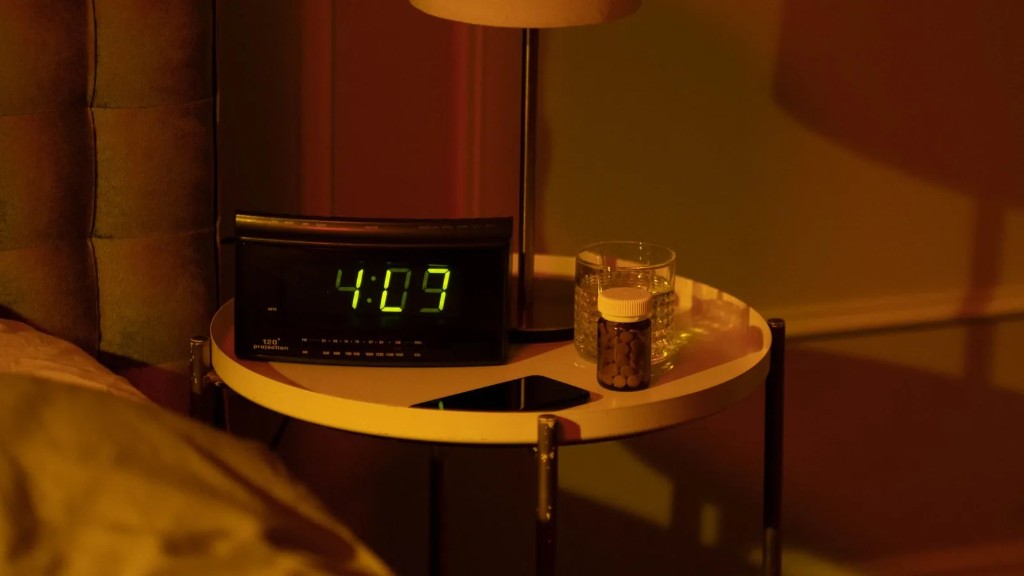
Photo: cottonbro studio / Pexels
You go to bed tired. You drop off without a problem. Then, somewhere around 3am, you’re wide awake. You check the clock, do the maths on how many hours are left, and the worrying begins.
If that sounds familiar, you’re in big company. Type “waking up at 3am” into Google Australia and it finishes the sentence with “every night”, “meaning”, “spiritual meaning”, “cortisol”, “blood sugar” and “can’t get back to sleep”. People clearly want an explanation.
The real one is less mysterious than the internet suggests, and a lot more fixable.
Quick answer
- Why 3am: sleep is naturally lighter in the second half of the night, so small triggers wake you more easily.
- Common triggers: alcohol, late caffeine, needing the toilet, stress, menopause, and sometimes breathing problems.
- Tonight: don’t check the clock; if you’re still awake after 15 to 20 minutes, get up until you feel sleepy again.
- See a GP if it’s most nights, or you snore, gasp, or act out your dreams.
You’re not imagining it, and you’re not alone
The Sleep Health Foundation’s report on insomnia in Australia found that 59.4% of adults have at least one sleep symptom three or more times a week. That includes trouble staying asleep, or waking too early and not being able to drift off again. About 14.8% had symptoms that would meet the criteria for chronic insomnia.
Waking overnight gets more common with age. In the same report, 47% of people aged 65 and over said they wake up a lot during the night, compared with 22% of 18 to 24 year olds.
Why 3am, specifically?
Sleep isn’t one long, even stretch. You move through cycles of light sleep, deep sleep and dreaming (REM) sleep several times a night. Most of your deep sleep happens early, and as the night goes on you spend more time in lighter sleep, which is much easier to wake from (Sleep Foundation).
So by 2 or 3am, you’re sleeping more lightly. A noise, a full bladder, a hot room or a worry that would barely register at midnight is now enough to wake you up.
Brief wake-ups are normal, and most people don’t remember them in the morning. The 3am problem is the one you do remember: you wake up properly, and then you can’t get back to sleep.
The usual suspects
1. That glass of wine at dinner
Alcohol can make you drowsy at first, but it breaks up sleep later. The Sleep Health Foundation says that in the second half of the night, sleep after drinking brings more frequent awakenings, night sweats, nightmares and trips to the toilet. It recommends stopping alcohol at least four hours before bed (Sleep Health Foundation).
That’s why “waking up at 3am after drinking wine” is a search people make often enough for Google to suggest it.
2. The afternoon coffee
Caffeine reduces deep sleep and can make your sleep lighter overall. It’s also a diuretic, so it can wake you up to go to the toilet. The same fact sheet notes caffeine can still affect sleep when it’s had six hours before bed. So a 3pm flat white can still be affecting you at 9pm.
3. Needing to pee
“Waking up at 3am to pee” is one of the top suggestions for a reason. Alcohol and caffeine both play a part. So does drinking a lot in the evening. If you’re going several times a night with no obvious cause, mention it to your GP, because it can be linked to other health issues worth ruling out.
4. Stress, and the 3am brain
The Sleep Health Foundation lists stress, anxiety and “worrying about not getting enough sleep” among the main causes of insomnia. That last one matters. Once you start dreading the 3am wake-up, the dread itself can keep you awake.
In the Australian report, women were more likely than men to say they often worry about getting a good night’s sleep (31% vs 21%) and feel overwhelmed by thoughts at bedtime (35% vs 25%).
5. Perimenopause and menopause
If you’re a woman in your 40s or 50s and the 3am wake-ups are new, hormones are a strong suspect. Around 40 to 60% of women have disturbed sleep during perimenopause and after menopause. The Sleep Health Foundation notes that women tend to wake up just before a hot flush, which suggests the same alerting process may be driving both.
The good news from the same page: CBT for insomnia and mindfulness training both improve sleep during the menopause transition. For food-side support during that stage, see our perimenopause diet guide.
6. Your breathing (the one people miss)
This one is easy to miss. In a small 2012 pilot study of 20 people with chronic insomnia, none said they thought breathing woke them up. They mostly blamed “no idea”, nightmares or needing the toilet. But overnight sleep tests showed that 90% of their 531 recorded awakenings came right after a breathing event, like a pause or a partial blockage (Sleep journal, 2012).
It’s a small study, so don’t over-read it. But if you snore, wake up gasping or feel exhausted during the day even after a full night in bed, sleep apnoea is worth asking your GP about.
What about cortisol, the liver and the “spiritual meaning”?
Search for this topic and you’ll find two big theories. One says 3am waking is a cortisol spike. The other, from traditional Chinese medicine, links that hour to the liver. There are also plenty of spiritual explanations.
Good evidence for those is thin. What we do know is simpler: your sleep is lightest in those last few hours of the night. Add stress, alcohol, a warm room or a full bladder and you have more than enough explanation. You don’t need a detox or a supplement to fix it. You need to deal with the triggers and stop the habit of lying awake.
How to get back to sleep at 3am
- Don’t check the clock. Seeing “3:07” starts the countdown maths that keeps you up. Turn the clock to face the wall and leave your phone across the room.
- Get up if you’re still awake after 15 to 20 minutes. This comes straight from CBT for insomnia, the Sleep Health Foundation’s preferred treatment. Go to another room, keep the lights low, do something dull, and go back to bed when you feel sleepy. The aim is to teach your brain that bed is for sleeping, not worrying (Sleep Health Foundation).
- Park the to-do list. If your mind races, keep a notepad by the bed. Write the thought down, then let it go until morning.
- Get up at the same time every day, even after a bad night. Sleeping in to make up for it pushes your body clock later and makes the next night harder.
How to stop it happening in the first place
- Stop caffeine by early afternoon, and at least four hours before bed at the very latest.
- Leave four hours between your last drink and bedtime.
- Finish your main meal two to three hours before bed. A small snack is fine.
- Keep your bedroom cool, dark and quiet. As spring nights warm up, a lighter doona can help.
- Go easy on the evening water if you’re up to the toilet every night.
When to see your GP
Occasional 3am wake-ups are part of being human. Book a GP appointment if:
- it’s happening most nights for several weeks, or you’re tired, foggy or moody during the day,
- you snore loudly, gasp or stop breathing in your sleep (ask whoever shares your bed),
- you have night sweats that aren’t explained by a hot room or menopause,
- you get up to the toilet several times every night, or
- you act out your dreams, like kicking, punching or shouting while asleep.
That last one was in this week’s news. Macquarie University researchers reported early trial results in people with REM sleep behaviour disorder, a condition where people physically act out their dreams. Around 70% of people with it go on to develop Parkinson’s disease within 15 years, so it’s worth raising with a doctor early (Nine News).
The best long-term treatment for insomnia isn’t a sleeping pill. The Sleep Health Foundation says CBT for insomnia works better than sleeping tablets in the medium and long term, and your GP can refer you. Healthdirect also has a plain-English guide to insomnia.
The short version
- Waking at 3am is common. Your sleep is naturally lighter in the early hours, so small triggers wake you more easily.
- The big triggers are alcohol, late caffeine, needing to pee, stress, menopause and breathing problems.
- At 3am: don’t check the clock, and if you’re still awake after 15 to 20 minutes, get up until you feel sleepy again.
- If it’s most nights, or you snore, gasp or act out your dreams, see your GP. CBT for insomnia works better than pills over time.
Tonight, try one change: turn the clock around and finish your last drink four hours before bed. Then see what 3am feels like.
This article is general information, not medical advice. If you’re worried about your sleep or any symptom, talk to your GP or pharmacist. In an emergency, call 000.
Neer writes about everyday food and health questions for NutriThrive.
These statements have not been evaluated by the TGA. Not intended to diagnose, treat, cure, or prevent any disease. Consult your GP for persistent insomnia or sleep symptoms.
Update log
- 9 Oct 2026: Article published.

If nutrition is part of the picture
Magnesium-rich leaf powder for everyday meals
Moringa is not a sleep tablet. Some people use it as a food source of magnesium and iron when deficiency is part of their fatigue or sleep story. Read the sleep evidence first, then decide whether a food-level powder fits.
$35.00 / 400g